

The Taste of Tradition
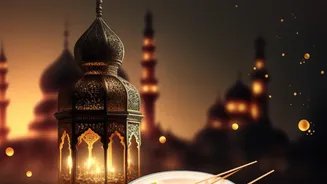
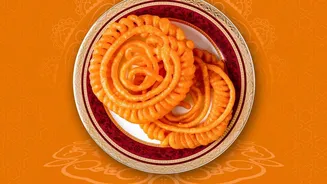
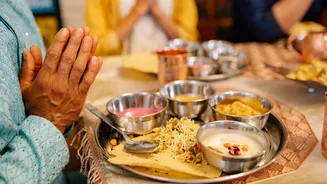
In India, festivals are incomplete without their signature dishes. Think of the sweet, syrupy warmth of gujiyas during Holi, the intricate mithai boxes exchanged at Diwali, or the rich, savoury haleem prepared during Eid. These foods are more than just
sustenance; they are a language of love, community, and heritage, often prepared from recipes passed down through generations. For many, the very essence of a festival is tied to these specific tastes and smells, creating a culinary anchor to cultural identity and cherished family moments.
A Modern Culinary Reinterpretation
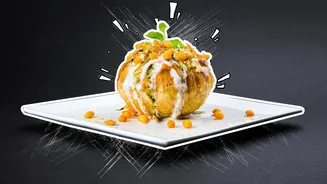
Today, a new wave of Indian chefs is taking on the delicious challenge of reinventing these beloved festival classics. They are not replacing tradition but reinterpreting it for a modern palate. This involves blending classic Indian flavours with global techniques and artistic presentation. Imagine a deconstructed samosa chaat served in a martini glass, a motichoor ladoo transformed into a delicate cheesecake, or a thandai-flavoured panna cotta. Chefs are using methods like sous-vide, molecular gastronomy, and foam infusions to add a surprising twist while ensuring the soul of the dish remains intact. The goal is to evoke a sense of nostalgia while delivering an entirely new and exciting sensory experience.
More Than Just Food
This trend extends beyond the plate to encompass the entire dining experience. Restaurants are creating immersive festive atmospheres with curated music, elegant decor inspired by festival motifs like diyas or rangoli, and themed tasting menus that tell a story. These multi-course journeys guide diners through a region's festive specialities, with each dish presented as a piece of art. It transforms a meal into a celebration, allowing patrons to connect with the spirit of the festival in a contemporary, sophisticated setting. This approach turns a short festival window into a planned seasonal event for restaurants.
The Chefs Leading the Change
Pioneering chefs and restaurants across the country and abroad are at the forefront of this culinary movement. Establishments like Indian Accent, known for its inventive tasting menus, and Masala Library, famous for its avant-garde approach, have long championed the modernisation of Indian food. Chefs like Manish Mehrotra have gained global acclaim by masterfully balancing nostalgic tastes with innovative presentation. This new generation of culinary leaders sees Indian cuisine as a dynamic, evolving art form, ready to be showcased on the world stage with confidence and creativity.
Why the Trend is Thriving
Several factors are driving the popularity of modern festival dining. In an increasingly urbanised India, nuclear families and busy professionals may not have the time or intergenerational knowledge to prepare elaborate festival feasts from scratch. These modern dining experiences offer a convenient yet meaningful way to celebrate. Furthermore, diners are more adventurous than ever, seeking novel experiences that are both Instagram-worthy and deeply rooted in culture. Restaurants are meeting this demand by offering an accessible entry point to complex culinary traditions, wrapped in a chic, contemporary package.