



The Heart of the Celebration: Hariyali Teej
The primary reason for this seasonal joy is Hariyali Teej, one of Rajasthan's most cherished festivals. Falling in the monsoon month of Shravan (typically July or August), Teej celebrates the divine union of Lord Shiva and Goddess Parvati. According to
mythology, it commemorates the devotion Parvati undertook over many births to be reunited with Shiva, making it a powerful symbol of love and marital bliss. For the women of Rajasthan, it's a time of deep spiritual significance. Married women fast for the long life and well-being of their husbands, while unmarried women pray for a devoted partner. But beyond personal prayers, it's a community-wide embrace of the life-giving rains that are so crucial for the arid state.
A Riot of Green and Gold
Visually, Teej transforms Jaipur. The colour green, symbolising the new growth of monsoon, is everywhere. Women dress in exquisite 'leheriya' sarees, their wave-like patterns mimicking the ripples of rain. Markets like Johari Bazaar and Bapu Bazaar bustle with vendors selling colourful bangles, traditional attire, and jewellery. Another quintessential sight is the 'jhoola' or swing. Swings are hung from large trees in gardens and courtyards, adorned with flowers. Women and girls, dressed in their festive best, gather to swing high while singing traditional Teej folk songs that speak of love, rain, and homecoming. The application of intricate mehndi (henna) designs on hands and feet is also a key part of the preparations, a ritual of adornment and celebration.
The Sweet Taste of Monsoon
No Indian festival is complete without its signature foods, and for Teej, that is undoubtedly Ghewar. This disc-shaped sweet, with a texture like a honeycomb, is a Rajasthani delicacy made from flour and ghee, which is then soaked in sugar syrup. Available almost exclusively during the monsoon season, its preparation requires a humid climate to achieve the perfect spongy texture. Often topped with rabri (thickened sweet milk), mawa, or nuts, Ghewar is more than just a dessert; it's a seasonal tradition. Families send it as a gift to their married daughters in a custom known as 'Sinjara', along with other festive items. Other sweets like malpua and kheer also feature in the celebratory feasts that follow a day of fasting.
A Royal Spectacle on the Streets
What makes Teej in Jaipur truly special is its royal scale. The highlight is the grand procession of Teej Mata (Goddess Parvati) that winds its way through the old city. The procession begins at the City Palace, from where a gilded palanquin carrying the idol of the goddess emerges through the Tripolia Gate. This magnificent spectacle, a tradition dating back centuries, features decorated elephants, camels, chariots, folk dancers performing the Ghoomar, and royal guards in period costumes. Thousands of locals and tourists line the streets of Tripolia Bazaar and Chhoti Chaupar to witness the 'sawari' (procession), as the image of the goddess is brought out for public viewing only on this occasion each year.
More Than Just a Festival
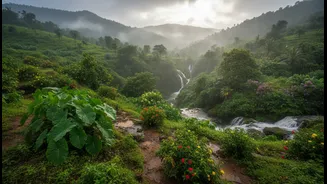
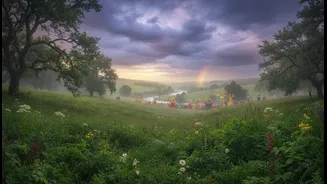
While rooted in mythology, Teej is a multi-layered celebration. It honours nature's cycle, welcoming the rains that turn the Aravalli hills surrounding Jaipur a lush green. It is a festival that is primarily women-centric, celebrating womanhood, sisterhood, and their central role in family and tradition. The fasting, feasting, and colourful rituals are expressions of devotion, but they are also a way for communities to come together and share in the joy of the season. It’s a time when the spiritual, natural, and cultural worlds of Jaipur blend seamlessly, offering a unique and immersive experience that goes far beyond the city's architectural splendours. The monsoon rains don't just cool the Pink City; they bring it to life with sound, colour, and faith.