





The Fuel Factor
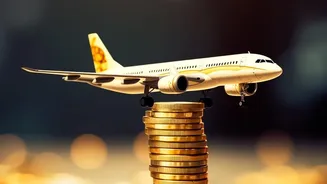
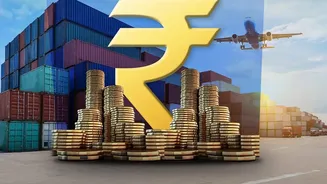
The single biggest driver of airline costs is Aviation Turbine Fuel (ATF). ATF accounts for a staggering 40-45% of an airline's total operating expenses in India, a much higher proportion than the global average. Recent geopolitical tensions and conflicts,
particularly in the Middle East, have caused international jet fuel prices to surge. In May 2026, international ATF prices hit ₹142 per litre, nearly two and a half times their cost in March. While prices have seen some softening since, they remain volatile and substantially higher than previous years. This sustained increase in fuel costs is directly passed on to consumers, forming the baseline for the higher fares we see today.
A Squeeze on Supply
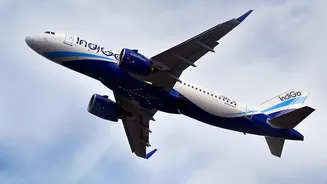
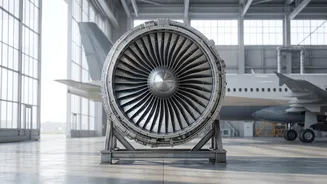
The Indian aviation market is grappling with a classic case of demand outpacing supply. A significant factor is the contraction of airline capacity. The collapse of Go First in May 2023 removed a substantial number of daily flights from the market, and competitors have not been able to immediately replace all the lost seats. Furthermore, major airlines like Air India have seen their capacity contract, with a 12.6% reduction in available seats in October 2026 compared to the previous year. Even market leader IndiGo has slightly reduced its capacity. This is compounded by global supply chain issues affecting aircraft and engine availability, leading to planes being grounded. Fewer available seats meeting a surge in travellers inevitably pushes prices higher.
Soaring and Sustained Demand
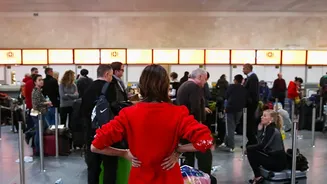
While capacity has been tight, passenger demand shows no signs of letting up. For over a decade, the growth in people wanting to fly has been faster than the growth in available seats offered by airlines. The festive season, which includes major holidays like Diwali, naturally concentrates this demand on specific dates and routes. With fewer flight options scheduled for the October-December quarter this year, travellers are competing for a limited inventory, giving airlines significant pricing power. On some major routes, this imbalance has led to fare hikes of up to 68% compared to last year.
The Consolidation Game
The Indian aviation landscape has transformed dramatically. Where once a dozen airlines competed, the market is now fast becoming a duopoly dominated by IndiGo and the Tata Group's consolidated Air India. IndiGo holds a majority market share of 51%, while the Air India group commands around 26%. This consolidation reduces the intense price competition that was characteristic of the Indian market for years. With fewer major players, there is less pressure for airlines to undercut each other on fares to win customers, leading to a more 'disciplined' and stable—but higher—pricing environment.
Can Fares Be Capped?
The sharp rise in festive fares has renewed calls for government intervention. While India's government deregulated airfares in 1994, it is now framing new rules under the Bharatiya Vayuyan Adhiniyam, 2024. However, officials have clarified there are no plans to regulate day-to-day ticket pricing. Instead, the new rules would empower the government to impose temporary fare caps only during extraordinary circumstances, such as natural calamities. Airlines will be required to submit their fare structures to the Directorate General of Civil Aviation (DGCA) in advance, but the free-market mechanism based on demand and supply will continue to determine prices for regular travel, including the busy festive season.