





New Rules on the Rails
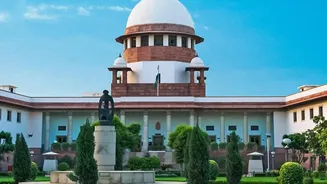
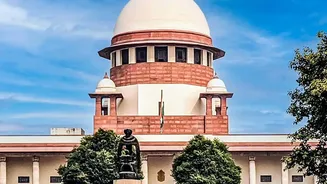
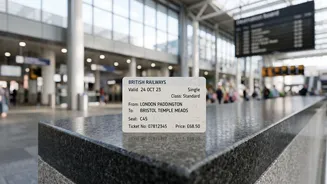
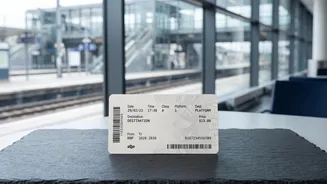
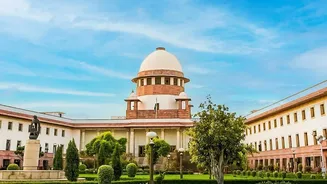
Recent updates to railway services have focused on both passenger experience and safety protocols. One significant change, mandated by the Supreme Court and effective from October 27, 2026, requires Indian Railways to offer travel insurance to passengers
who buy tickets at station counters, extending a facility previously available only for online bookings. Another recent advisory aims to improve the onboard atmosphere by curbing noise pollution; passengers causing a nuisance by playing loud music or having loud phone conversations may face fines. Southern Railway has already begun imposing penalties of ₹1,000 for first-time offenders. While these changes target specific passenger pain points, they also draw attention to the broader ecosystem of services, particularly the fundamental issues of hygiene and grievance redressal that continue to dominate passenger feedback.
The Persistent Problem of Hygiene
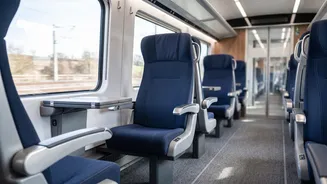
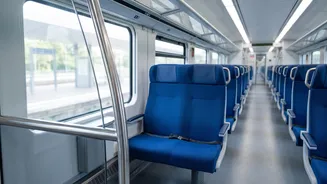
Despite numerous initiatives, coach cleanliness remains a primary concern for travellers. A recent survey revealed that 68% of passengers have issues with cleanliness, especially with dirty toilets. Hygiene-related complaints have reportedly surged by as much as 500% over two years, affecting even premium services like Rajdhani and Shatabdi trains. Indian Railways has implemented several programs to tackle this, including the 'Clean My Coach' scheme, Onboard Housekeeping Services (OBHS) in over 1,000 pairs of trains, and the installation of bio-toilets to prevent waste discharge onto tracks. However, the sheer volume of passengers and inconsistent execution can undermine these efforts. Reports from as recently as 2025 noted that over half of surveyed passengers were dissatisfied with on-board housekeeping, and over 1,00,000 complaints about water shortages in toilets were logged via the Rail Madad app in a single year.
Making Your Voice Heard: The Complaint System
When faced with unclean conditions or poor service, passengers are no longer helpless. Indian Railways has established a multi-channel grievance redressal system known as Rail Madad. This integrated platform allows travellers to file complaints via a dedicated app, a web portal, or by simply calling the helpline number 139. For issues specifically related to coach cleanliness, the 'Coach Mitra' service, available in over 1,000 trains, provides a single window for requests covering everything from cleaning and disinfection to linen and air conditioning. Passengers can also send an SMS to a dedicated number or, increasingly, use social media platforms like X (formerly Twitter) by tagging the official railway accounts to draw attention to their issue.
Does Complaining Actually Work?
The critical question for any passenger is whether lodging a complaint yields results. Evidence suggests the system is becoming more responsive. The Central Railway's Nagpur Division, for example, reported a dramatic reduction in the average complaint disposal time to just 20 minutes using the Rail Madad portal. Passenger testimonials shared online also point to surprisingly swift action. One traveller recounted filing a complaint about a dirty berth via the Rail Madad app and having a cleaning crew arrive within four minutes to resolve the issue and follow up professionally. The digital trail created by these apps and portals adds a layer of accountability that was previously missing. However, challenges remain. A study of the Rail Madad system noted that a high rate of complaints are sometimes misrouted to the wrong department, leading to delays. Despite this, the railway ministry asserts that the system has enhanced trust and that passenger feedback is actively used to identify areas for operational improvement.