

Understanding the August 26 Floods
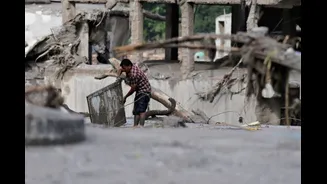
On August 26, 2026, a catastrophic flash flood occurred in northern Nepal, triggered by a massive ice and rock avalanche near the border with Tibet. This was not a typical monsoon event. A wall of water and debris surged down the Bhote Koshi and Trishuli
river corridors, causing severe damage to infrastructure in the Rasuwa, Nuwakot, and Dhading districts. The event destroyed roads, bridges, and hydropower facilities, with the Nepal-China border crossing at Gyirong Port being completely devastated. Authorities have warned that the risk of further landslides and flooding continues, particularly along these riverbanks, with ongoing search and rescue operations. The full impact is still being assessed, but hundreds have been confirmed deceased with many more missing, including tourists and locals.
Which Areas Are Affected (And Which Are Not)?
It is crucial for travellers to understand that this disaster was geographically concentrated. The primary impact zone follows the Bhote Koshi and Trishuli river systems. Consequently, the Rasuwa district, home to the Langtang trekking region, has been severely affected. Access roads to Syabrubesi, the starting point for Langtang treks, are closed or destroyed, and travel to this area is not recommended until infrastructure can be rebuilt. However, most of Nepal's major tourism and trekking hubs remain entirely unaffected and are fully operational. This includes the popular Everest (Khumbu) and Annapurna regions, which are on different river systems. The cities of Kathmandu and Pokhara, along with Chitwan National Park, were also outside the flood zone and continue to welcome visitors as usual.
Is It Still Safe to Trek in September?
For most trekkers, the answer is yes, with important caveats. The autumn trekking season, which begins in September, is still on. The Everest and Annapurna regions, which draw the majority of trekkers, are safe and accessible. Tour operators report that bookings for treks like Everest Base Camp and the Annapurna Circuit are proceeding for mid-to-late September, when weather typically becomes clearer and more stable. The main challenge for the Langtang region is not the trails themselves, but the road access. The Trekking Agencies' Association of Nepal (TAAN) has advised that while the Langtang Valley trails are safe, access must be rerouted via an alternative, longer trail starting from Sundarijal. All travellers planning a trek should be in close contact with a reputable local agency to get the latest updates on trail and road conditions.
What 'Flexible Travel' Means for Your Trip
Flexibility is the key theme for September travel this year. First, this means having backup plans. If you were scheduled for a Langtang trek, speak with your operator about switching to the Annapurna or Everest regions. Second, build buffer days into your itinerary. The tail end of the monsoon can still bring rain, causing potential delays for domestic flights, especially to mountain airstrips like Lukla. Roads that are currently open could experience temporary blockages. Third, consider your bookings. Opt for accommodations and transport that offer refunds or easy rescheduling. Finally, flexibility means staying informed. Monitor alerts from your embassy, follow local news, and maintain constant communication with your guide or tour company. Conditions can change rapidly, and your local contacts are your best source of real-time information.
Essential Tips for September Travellers
If you are proceeding with your trip, a little extra preparation will go a long way. Ensure you have comprehensive travel insurance that explicitly covers medical evacuation and trip cancellations or interruptions due to natural disasters. While September sees less rain than August, the early part of the month can still be wet, especially in lower-altitude forests, so pack high-quality rain gear and be prepared for muddy trails and leeches. Prioritise hiring experienced, licensed guides and reputable trekking agencies who are well-versed in navigating post-monsoon conditions. Supporting Nepal's tourism economy is vital for its recovery, and travelling responsibly with established local companies ensures your visit directly aids communities that depend on this income.