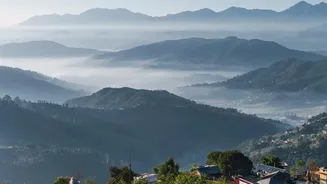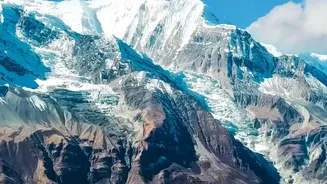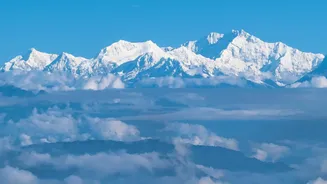



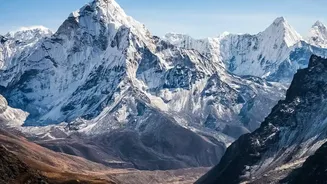
The air is thin, crisp, and carries a profound silence. Before the sun breaches the horizon, a faint, ethereal glow outlines a colossal wall of white. This is the magic of witnessing Kanchenjunga at dawn, a sight that defines Sikkim.
The Prime Viewing Season
To see the world's
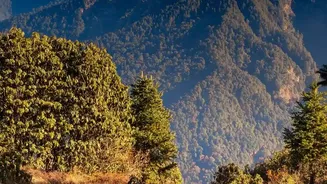
third-highest peak in its full, unobscured glory, timing is everything. While a clear day can occur anytime, the most reliable window opens after the monsoon. From October to mid-December, the washed-clean atmosphere offers crystal-clear skies and the sharpest possible views of the Himalayan range. This post-monsoon period is when the mountain is most willing to reveal itself, with morning light painting its snow-clad faces in hues of pink and gold. A secondary window exists from March to April, where the views might be slightly hazed but are often framed by blooming rhododendrons, adding a splash of colour to the majestic scenery. For the best chance, be at your chosen viewpoint before sunrise, as the view is often at its most pristine in the first hours of daylight before valley clouds begin to form.
Yuksom: History and a Himalayan Vista
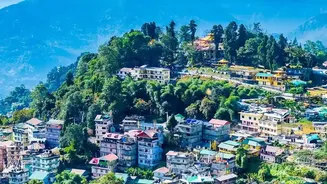
Once the first capital of Sikkim, Yuksom is a place steeped in history and spirituality. Tucked away in West Sikkim, it serves as the starting point for the famous Goecha La trek, but you don't need to be a high-altitude trekker to enjoy its splendours. The village itself, nestled in a valley, offers serene and magnificent panoramas of Kanchenjunga and its surrounding peaks. A short walk to the Yuksom viewpoint or the ridge near the historic Dubdi Monastery provides a tranquil spot to watch the morning sun illuminate the mountains. The view from here feels earned and intimate, away from the more crowded tourist centres. The combination of ancient chortens, fluttering prayer flags, and the colossal Himalayan backdrop makes Yuksom a truly enriching experience.
Ravangla: A Buddha with a Mountain View
In South Sikkim, the town of Ravangla offers a uniquely spiritual frame for the Kanchenjunga massif. The town's most iconic landmark, the Buddha Park or Tathagata Tsal, features a majestic 130-foot statue of Lord Buddha. On a clear morning, the park provides a breathtaking sight: the serene statue seems to gaze towards the Himalayan range, with Kanchenjunga standing sentinel in the background. The beautifully landscaped gardens and winding pathways offer multiple angles for this divine view. While Pelling is famous for its direct, close-up views, Ravangla offers a composition of peace, spirituality, and natural grandeur that is deeply moving and incredibly photogenic. The Rayong Sunrise View Point, a short drive from the main town, is another dedicated spot for watching the day's first light hit the peaks.
Tashiding: The Heart of Holy Sikkim
Considered one of the holiest monasteries in Sikkim, Tashiding is perched on a heart-shaped hill overlooking the confluence of the Rathong and Rangit rivers. This isn't just a place of worship; it's a vantage point of profound peace. The monastery complex, with its ancient stupas and countless prayer flags, offers breathtaking views of the valley and the distant Kanchenjunga. What makes Tashiding a 'best-kept secret' for mountain viewing is its atmosphere. The spiritual energy of the place, combined with the panoramic Himalayan vista, creates an experience that is more than just sightseeing. It is believed that a mere glimpse of the Thong-Wa-rang-Dol chorten here can cleanse one of all sins, and doing so with the mighty Kanchenjunga in sight feels like a powerful blessing.
Rinchenpong and Kaluk: Quiet Corners in the West
For those who truly wish to escape the crowds, the sister villages of Rinchenpong and Kaluk in West Sikkim are idyllic retreats. These quiet hamlets are known for offering some of the most majestic and wide-angle views of the Kanchenjunga range. Less commercialised than other popular viewpoints, they provide a sense of having the mountains all to yourself. You can wake up in a local homestay, step out onto your balcony, and be greeted by the entire 'Sleeping Buddha' formation stretched across the horizon. The charm of these villages lies in their simplicity and the unspoiled nature of the viewing experience. It's the perfect setting for travellers who want to connect with nature and witness the grandeur of the Himalayas in peace and quiet.