





A Partnership Reaches for the Stars
A new chapter is being written in the history of space exploration, and it features India and the United States as lead authors. Through frameworks like the Initiative on Critical and Emerging Technology (iCET), the two nations are elevating their partnership
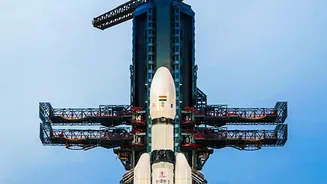
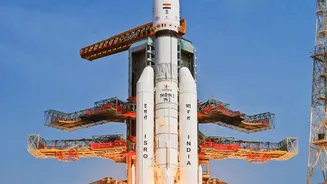
from transactional projects to a deep strategic alignment. This isn’t just about launching satellites; it’s about co-developing critical technologies, setting the rules for space exploration, and creating a united front among democratic nations. This collaboration signals a significant shift from the past, where the US had imposed sanctions on India's space program. Today, Washington sees New Delhi as an indispensable partner in navigating the complexities of the final frontier, reflecting a dramatic transformation in their bilateral relationship built on shared values and strategic interests.
The Flagship Missions: NISAR and Artemis
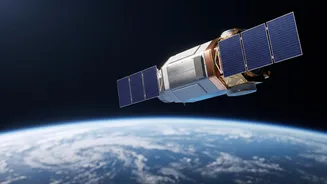
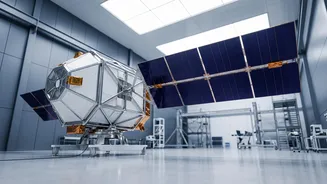
Two key projects anchor this revitalized partnership. The first is the NASA-ISRO Synthetic Aperture Radar (NISAR) satellite, the world’s most expensive Earth-imaging satellite and a testament to joint technological prowess. NISAR provides unprecedentedly detailed data on climate change, deforestation, and natural disasters, offering critical insights for managing resources and responding to crises. The second cornerstone is India's decision to join the Artemis Accords. By signing on, India is now part of a US-led coalition to return humans to the Moon. This is not just a symbolic gesture. It positions India at the high table of lunar exploration and paves the way for ISRO astronauts to potentially train at NASA and participate in future missions to the International Space Station and beyond.
The Great Game in the Heavens
The accelerated cooperation isn't happening in a vacuum. It is heavily influenced by the geopolitical landscape, particularly the rise of China as a major space power. Beijing’s rapid advancements, including its own space station and lunar ambitions, often in partnership with Russia, have raised concerns in both New Delhi and Washington. The India-US space partnership is, in many ways, a strategic counterbalance. By pooling resources, sharing data on space situational awareness (tracking debris and satellites), and aligning on norms for responsible behaviour in space, the two countries aim to ensure that the cosmos remains open, safe, and governed by international law, not by the unilateral actions of a single nation.
Fueling India's Commercial Space Boom
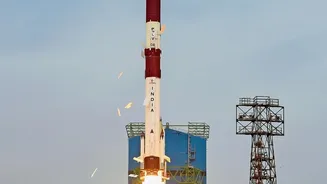
Beyond government-to-government projects, this partnership is a massive catalyst for India's burgeoning private space sector. For years, Indian startups in the space-tech domain have shown immense promise. Now, with the backing of a robust US-India framework, these companies are gaining access to American technology, investment, and markets. The collaboration encourages joint ventures and simplifies the regulatory landscape, making it easier for Indian firms to build components for US rockets or for US companies to launch their satellites on Indian rockets. This synergy is expected to create high-tech jobs, drive innovation, and transform India from a government-led space power into a globally competitive commercial space hub, with leaders pledging to significantly expand geospatial trade.