






The Problem with Label Buzzwords
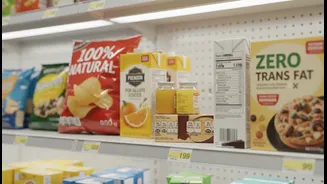
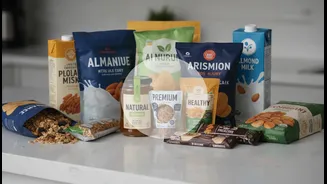
For years, grocery store aisles have been a jungle of confusing claims. Words like 'natural', 'premium', 'fresh', 'traditional', and 'healthy' have become powerful marketing tools. Brands use them on the front of the package to grab your attention and suggest
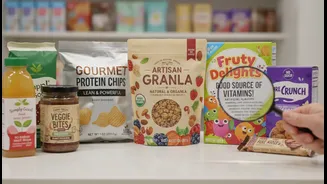
superior quality. This practice, sometimes called 'clean-washing', aims to build a wholesome image around a product, often justifying a higher price. The problem is that these claims frequently don't match the ingredient list on the back. A 'natural' product might contain synthetic colours, or a 'healthy' snack could be loaded with sugar. This gap between marketing and reality can mislead consumers who are trying to make genuinely informed choices for their families.
FSSAI's Crackdown on Misleading Claims
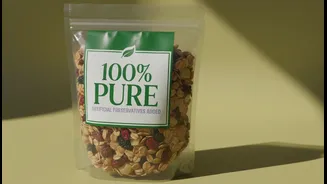
Recognising this widespread issue, the FSSAI has recently intensified its enforcement of food safety and advertising regulations. In a series of actions in June and July 2026, the regulator issued show-cause notices to numerous packaged food companies for what it deemed were misleading claims. Companies were pulled up for using terms like '100% Natural' on products that contained artificial flavours or preservatives, 'Premium Chocolate' on items made with cheaper vegetable fats instead of cocoa butter, and '100% Vegetarian' on packages with incomplete nutritional data. These notices signal a zero-tolerance approach, demanding that the claims brands make on the front of the pack must be truthful and scientifically verifiable.
Decoding the Most Common Claims
So, what should these buzzwords actually mean? According to FSSAI's guidelines, claims must not create a false impression about a product's true nature. For a product to be called 'Natural', it should be made from ingredients that are minimally processed and free from artificial additives, colours, or flavours. A 'Premium Chocolate' must primarily use cocoa butter for its fat content, not hydrogenated vegetable oils. If a product claims to be 'Healthy' or part of a healthy range, that claim must be backed by its nutritional profile, not just a catchy brand name. The FSSAI is making it clear that vague, unsubstantiated terms suggesting better quality or health benefits without proof are no longer acceptable.
How to Be a Smarter Shopper Right Now
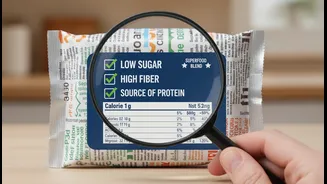
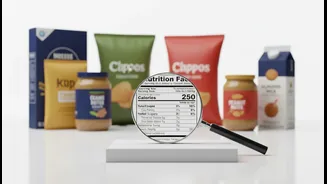
While FSSAI's crackdown will force brands to become more honest, the change on store shelves won't happen overnight. As a consumer, your best defence is to become a label detective. The most reliable information is not on the front of the package, but on the back. Always check the ingredient list. Ingredients are listed in descending order by weight, so the first few items make up most of the product. Look for hidden sugars, artificial colours, flavours, and preservatives, especially if the front claims to be 'all natural'. Also, check the nutritional information panel to understand the amount of fat, sugar, and sodium you're consuming per serving. This habit will empower you to see past the marketing and understand what you are actually eating.
The Road Ahead for Food Labels
The recent notices are part of a broader push for transparency. FSSAI is not only enforcing existing rules but also updating its regulations for the future. The Food Safety and Standards (Labelling and Display) First Amendment Regulations, 2026, were notified in March 2026 and are set to come into force on July 1, 2027. These amendments aim to further streamline and strengthen labelling rules, covering everything from non-retail containers to how nutritional information is displayed. This long-term strategy shows a commitment to making food labels in India more consistent, transparent, and trustworthy for consumers across the country.