




A Crisis Over the Skies
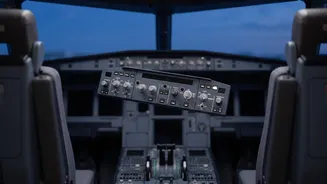
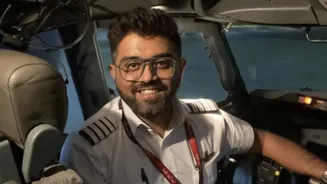
On September 30, 2026, Flydubai flight FZ 1073 from Dubai to Tel Aviv experienced a severe in-flight emergency. Reports emerged of a violent altercation between the pilots, leading to injuries and a struggle for control of the aircraft. The flight descended
rapidly before crew members, reportedly with passenger assistance, managed to secure the cockpit. The plane diverted and landed safely in Tabuk, Saudi Arabia, averting a catastrophe. While investigations are ongoing, the incident serves as a stark reminder of the potential for human-factor crises. More importantly, it raises the question: what procedures are in place to handle the unthinkable?
The First Rule: Aviate, Navigate, Communicate
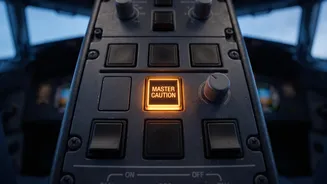
In any emergency, pilots are drilled on a simple, hierarchical mantra: Aviate, Navigate, Communicate. 'Aviate' means maintaining control of the aircraft above all else. This is the absolute first priority. 'Navigate' means determining the aircraft's position and figuring out a safe course of action, like diverting to the nearest suitable airport. 'Communicate' is the third step, which involves alerting air traffic control (ATC) and the cabin crew about the situation. By squawking a universal emergency code, like 7700, the crew immediately signals a problem to all controllers, ensuring priority handling. This structured response ensures that control of the plane is never the second priority.
Crew Resource Management (CRM)
Modern aviation safety is built on the principle of Crew Resource Management (CRM). Introduced after accident analyses in the 1970s revealed that many crashes were due to poor communication and teamwork rather than technical failure, CRM changed aviation culture. It flattened the traditional, authoritarian cockpit hierarchy, empowering first officers and even cabin crew to question a captain’s decisions if they spot a potential error. CRM is about using all available resources—people, technology, and procedures—to ensure safety. The Flydubai incident, where off-duty crew reportedly helped secure the aircraft, is a dramatic example of the 'all hands on deck' philosophy that CRM fosters.
Training for the Unthinkable
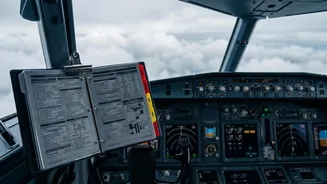
Pilots and cabin crew spend countless hours in simulators, training for events they hope to never encounter. These sessions replicate everything from engine failures and fires to cabin depressurization and medical emergencies. A critical, yet risky, maneuver they practice is the 'go-around', where a landing is aborted at the last minute. The tragic 2016 crash of Flydubai Flight 981 in Rostov-on-Don was linked to pilot disorientation during a difficult go-around procedure, leading to industry-wide re-emphasis on training for this specific scenario. Airlines now use findings from such incidents to enhance training, focusing on spatial disorientation and reinforcing standard operating procedures to prevent a repeat of past tragedies.
The Cabin Crew: Your First Responders
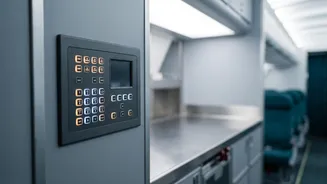
Often viewed as service providers, flight attendants are primarily on board for safety. They are trained first responders, equipped to handle medical emergencies, fight fires, and conduct an emergency evacuation in 90 seconds or less. They are a vital link in the CRM chain, communicating with the cockpit and managing passengers. In a medical crisis, they use onboard kits and can consult with ground-based doctors. During a security incident or severe turbulence, their ability to maintain calm and enforce procedures is paramount. Their commands to stay seated, brace for impact, or evacuate are not suggestions; they are the result of extensive training designed to save lives.
What Passengers Can Do
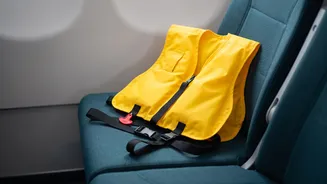
Passengers are the final link in the safety chain. While crew members are in charge, passenger cooperation is crucial. The most important actions are simple: listen to the pre-flight safety briefing, know the location of your nearest exit, and follow crew instructions without question during an emergency. In a chaotic event, trying to retrieve luggage or arguing with the crew can have fatal consequences for everyone. Staying calm, low, and following the illuminated exit paths during an evacuation helps the professionals do their job. Your compliance is a direct contribution to the safety of everyone on board.