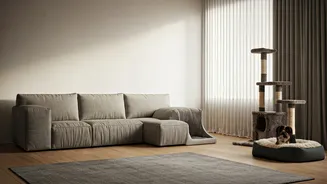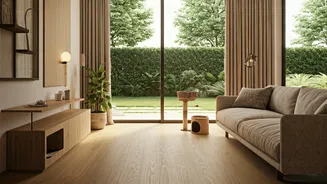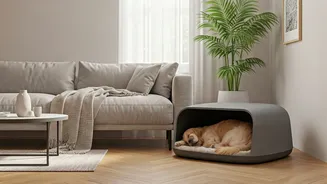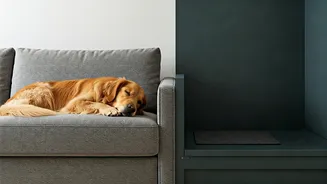




Start with Smart Fabrics
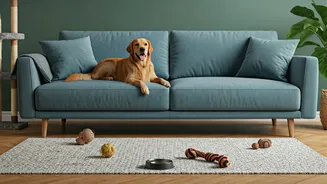
Your sofa is likely the centrepiece of your living room and the number one target for fur, claws, and the occasional accident. This is where fabric choice is paramount. Forget delicate materials like silk or loose-weave linen, which can be destroyed by
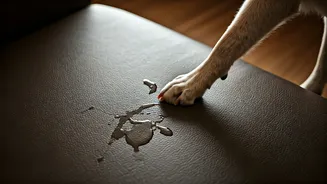
a single snag. Instead, look for 'performance fabrics'. These are synthetic materials like microfiber, Crypton, or Sunbrella, engineered to resist stains, moisture, and wear. They are incredibly easy to clean, often requiring just a damp cloth. Leather is another excellent, albeit more expensive, choice. It's durable, doesn't trap odours, and can be wiped clean easily. While it can be punctured or scratched, many people find that minor marks add to a desirable 'patina' over time. Tightly woven materials like canvas or denim are also sturdy, budget-friendly options that hold up well against pets.
Rethink Your Flooring
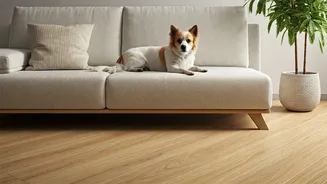
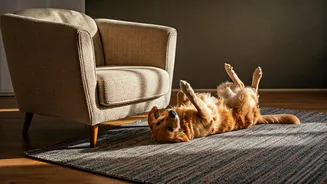
Carpets are a magnet for pet hair, dander, and stains that can seep deep into the fibres. While cosy, wall-to-wall carpeting is a high-maintenance choice for pet owners. Hard surfaces are your best friend. Ceramic or porcelain tiles are virtually indestructible and completely waterproof, making them ideal for entryways and kitchens. Luxury vinyl plank (LVP) and laminate flooring offer the look of hardwood but with superior scratch and water resistance. If you love the warmth of wood, opt for harder varieties like oak or maple over softer woods like pine, and choose a matte or satin finish, which conceals scratches far better than a high-gloss one. To add softness and define spaces, use area rugs. They are much easier to clean or replace than an entire carpet. Look for low-pile, durable, and patterned rugs made from wool or synthetic fibres, which are better at hiding fur and stains than solid, light-coloured options.
Choose Furniture with Purpose
Beyond the upholstery, the very structure of your furniture matters. Avoid pieces with delicate, exposed wood that can be mistaken for a chew toy. Metal or sturdy, solid-wood legs are a safer bet. Wicker and rattan furniture, while stylish, are essentially giant scratch-and-chew posts for many pets; it's best to avoid them. Consider furniture with raised legs. A 'leggy' sofa or console table not only creates an illusion of more space but also makes it infinitely easier to clean the dust bunnies and fur that accumulate underneath. Also, think about rounded edges. Sharp corners on coffee tables can be a hazard for an excited dog or cat (and for humans, too). A round coffee table or ottoman is a safer and equally stylish alternative.
Embrace Strategic Colour and Pattern
A pristine, all-white home might be a challenge with a black Labrador. Instead of fighting a losing battle against pet hair, work with it. If you have a light-coloured pet, lighter upholstery in shades of beige, grey, or cream can help camouflage shedding. Conversely, darker pets pair well with charcoal, navy, or patterned fabrics. Patterns are a pet owner's secret weapon. A busy floral, a geometric print, or a subtle tweed is brilliant at hiding minor stains, spots, and stray hairs. This doesn't mean your home has to be a riot of colour; a strategically chosen patterned ottoman, a set of printed dining chairs, or a feature rug can do the heavy lifting, allowing the rest of your space to remain calm and cohesive.
Decorate with Height and Weight
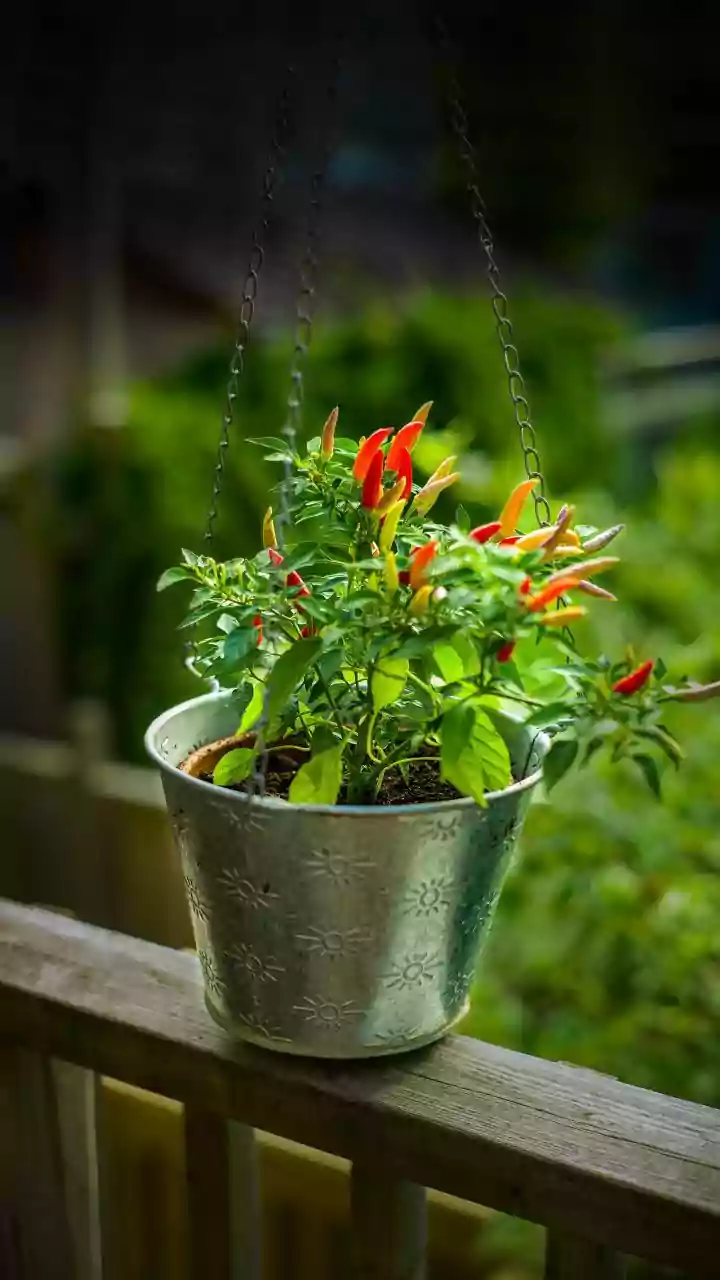
A wagging tail can clear a low coffee table in seconds. When placing decorative items, think vertically. Use high shelves, mantels, and console tables for your delicate vases, photo frames, and trinkets. Keep floor-level decor to a minimum, or choose heavy, sturdy items that can't be easily knocked over, like a large ceramic planter or a heavy basket for blankets. When it comes to houseplants, always check if they are toxic to cats or dogs before bringing them home. Many common plants, like lilies, sago palms, and philodendrons, can be extremely dangerous if ingested. Opt for pet-safe alternatives like spider plants, prayer plants, or select ferns to get your dose of greenery without the worry. Finally, manage your cables. Dangling cords can be an irresistible temptation for a playful pet to chew on, which is both a design mess and a serious safety hazard. Use cable tidies, clips, or covers to keep them bundled and out of sight.