







An Atmosphere You Can Taste
Imagine the air, thick with a heat so intense it seems to have a physical weight. This is the backdrop for late spring in India. But cutting through the oppressive warmth is a scent—a sweet, intoxicating perfume that promises relief and indulgence. It’s
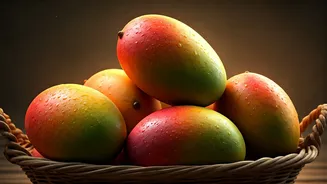
the smell of ripe mangoes, and it emanates from everywhere: towering pyramids in bustling markets, carefully arranged boxes in storefronts, and wicker baskets balanced on the heads of street vendors. For millions, this aroma is the true signal that summer has arrived. It’s a sensory trigger that unlocks a nationwide obsession, a period when the mango transitions from a simple fruit to the centerpiece of daily life.
The King and His Court
Not all mangoes are created equal, and in India, a clear hierarchy exists. Reigning supreme is the Alphonso, or ‘Hapus.’ Grown primarily on the western coast, this variety is the undisputed king. With its saffron-hued, fiberless flesh and a perfect balance of sweetness and tang, the Alphonso inspires a devotion bordering on reverence. The first box of the season is a celebrated event, often given as a prestigious gift to mark relationships and respect. But the king doesn't rule alone. A vast court of regional favorites follows, each with its own loyal following. There’s the intensely sweet and fragrant Kesar from Gujarat, the slender, honey-like Dasheri from the north, and the uniquely tangy Langra, which stays green even when ripe. To know mangoes in India is to know geography, history, and taste all at once.
A Delicious Ritual
Mango mania is about more than just consumption; it’s a social and cultural ritual. Families gather for mango-eating sessions, where dozens of fruits are cooled in buckets of water before being sliced, squeezed, and devoured with a joyful messiness that is not just tolerated but encouraged. There’s an art to it—some peel them, others slice them into a “hedgehog” pattern, and purists simply squeeze the softened fruit until they can drink the pulp directly from a hole at the top. Newspapers publish daily market rates for different varieties like stock market listings. Debates over which region’s mango is superior are a national pastime, conducted with the passion typically reserved for politics or cricket. This annual obsession reinforces community bonds and provides a shared, delicious language that cuts across all social lines.
The Race Against the Rain
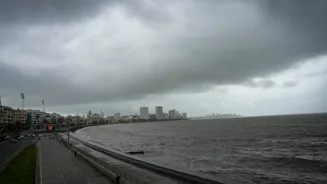
The entire phenomenon is framed by a ticking clock: the coming of the monsoon. The intense, dry heat that ripens the mangoes to perfection is also what makes the season so desperate for relief. The monsoon brings that relief with cooling downpours, but it also signals the end. The rain can damage the delicate fruit, dilute its flavor, and bring the harvest to an abrupt halt. This makes the pre-monsoon window a frantic race to enjoy the fruit at its absolute peak. The knowledge that this perfect moment is fleeting only intensifies its sweetness. Every mango eaten is a celebration of the now, a burst of sunshine captured in fruit form before the clouds gather and the season washes away for another year.