

The Soul of Pulao: Choosing the Right Rice
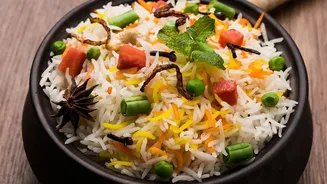
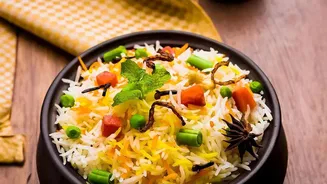
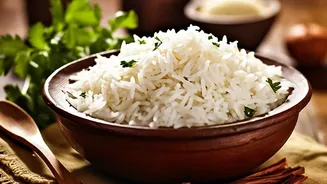
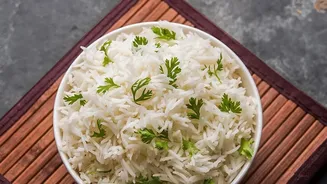
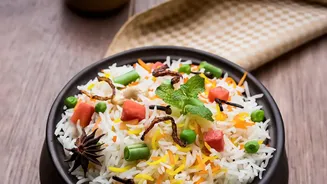
The secret to a truly exceptional vegetable pulao begins with the rice. Long-grain Basmati rice is the undisputed best choice for this dish. Its unique characteristic is that it elongates on cooking, with each grain remaining separate, light, and fluffy.
This is because aged Basmati has a lower moisture and starch content compared to other varieties, preventing the rice from becoming sticky or mushy when cooked with vegetables and spices in a single pot. For the best results, always rinse the rice 2-3 times in cold water until the water runs mostly clear. This removes excess surface starch. Then, soak the rinsed rice for about 20 to 30 minutes. This pre-soak allows the grains to absorb some water, which helps them cook more evenly and prevents breakage.
A Symphony of Spices
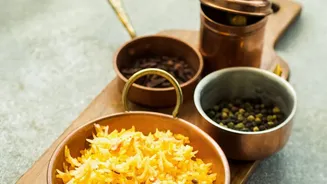
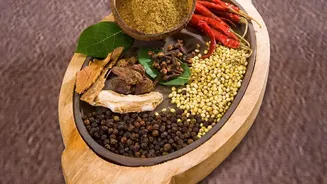
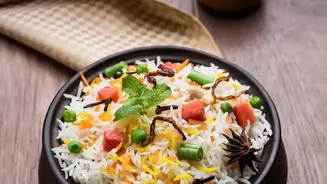
The heart of any pulao's flavour lies in its whole spices, known as 'khada masala'. While recipes vary, a classic pulao almost always includes a bay leaf (tej patta), cloves (laung), green cardamom (elaichi), and a stick of cinnamon (dalchini). These spices are typically bloomed in hot ghee or oil at the very beginning of the cooking process. This step is crucial as it releases their aromatic essential oils, creating a fragrant foundation for the entire dish. Some recipes also include star anise and cumin seeds (jeera) to add further depth. Freshly made ginger-garlic paste and the subtle fragrance of mint leaves (pudina) are also key to achieving that authentic, layered pulao aroma.
The Art of Cooking Pulao
The one-pot method is what defines pulao, but the sequence of steps is vital. Start by sautéing the whole spices in ghee or oil until fragrant. Next, add sliced onions and cook until they soften, but not brown. This is followed by the ginger-garlic paste, which needs to be cooked for a minute to remove its raw smell. Then, the vegetables go in. Harder vegetables like carrots and potatoes should be added first, followed by softer ones like beans and peas. After sautéing the vegetables briefly, the soaked and drained rice is added. Many chefs recommend lightly 'toasting' the rice in the pot for a minute or two, which helps keep the grains separate. Finally, water is added, brought to a rolling boil, and then the heat is lowered to a simmer. The pot is covered tightly to allow the rice to steam and cook through in a method often called 'dum' cooking.
Tips for a Perfect, Fluffy Finish
One of the most common challenges when making pulao is achieving that perfect, non-sticky texture. The water-to-rice ratio is critical; while often cited as 2:1, many experienced cooks recommend slightly less water when using a pressure cooker or when vegetables release their own moisture. A good rule is to cook the rice uncovered until the water level is equal to the surface of the rice, then cover and simmer on the lowest heat for about 15 minutes. Once cooked, turn off the flame but do not open the lid immediately. Letting the pulao rest for at least 10 minutes is a crucial, often-skipped step. This resting period allows the residual steam to finish cooking the grains evenly and lets the flavours meld together beautifully. After resting, gently fluff the rice with a fork to separate the grains before serving.
Serving and Variations
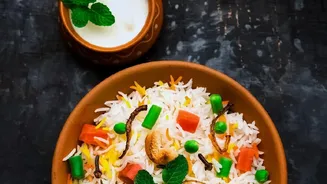
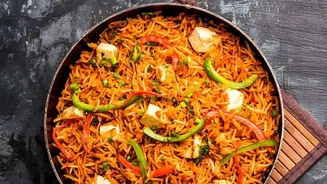
Vegetable pulao is wonderfully versatile. It is flavourful enough to be enjoyed on its own but is traditionally served with a cooling side of yogurt raita, often made with cucumber or onion and tomato. A simple salad or some crunchy papad also makes for a great accompaniment. While a classic vegetable medley includes carrots, beans, peas, and potatoes, feel free to experiment. Cauliflower florets are a popular addition, and for a protein boost, you can add paneer cubes or soya chunks towards the end of the vegetable sautéing stage. Some recipes even suggest adding a splash of coconut milk along with the water for a richer, creamier flavour.