





The Problem with the Second Coffee
For many busy urban professionals, coffee is the undisputed fuel of the morning. It provides a quick, powerful jolt of energy to kickstart the day. The issue often arises with the second or third cup, typically consumed to fight off the inevitable afternoon
fatigue. This is where the law of diminishing returns kicks in. The caffeine provides a temporary spike in alertness but is often accompanied by a feeling of anxiety or shakiness, followed by an even steeper energy crash a few hours later, leaving you less productive than before. This cycle of highs and lows can disrupt focus and add a layer of stress to an already demanding workday.
A Different Buzz: The Matcha Advantage
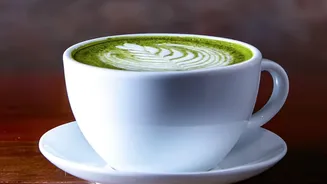
Enter matcha, a finely ground powder of specially grown and processed green tea leaves. While it also contains caffeine, the experience is fundamentally different. The key lies in a unique amino acid called L-theanine, which is abundant in shade-grown matcha but virtually absent in coffee. L-theanine works in synergy with caffeine, promoting a state often described as “calm alertness.” It modulates the stimulating effects of caffeine, smoothing out the energy delivery and preventing the jitters and anxiety many associate with high coffee consumption.
The Energy Curve: Sustained Focus vs. Jolt and Crash
The primary reason many professionals are making the switch is the energy profile. Coffee delivers its caffeine rapidly into the bloodstream, resulting in a sharp spike that lasts for a few hours before dropping off. Matcha, however, provides a slower, more sustained release of energy that can last four to six hours. This is because the caffeine in matcha binds to catechins (a type of antioxidant), which slows its absorption. The result is a steady, gentle lift that enhances focus and endurance without the jarring peak and subsequent crash, making it ideal for maintaining concentration through long meetings or complex projects.
Beyond Energy: A Boost for Brain Health
The benefits of matcha extend beyond just wakefulness. L-theanine has been shown to increase alpha brain wave activity, which is associated with a state of relaxed concentration and creative thinking. This makes it easier to stay on task and reduces mental clutter. Furthermore, because you consume the entire tea leaf when you drink matcha, it is an antioxidant powerhouse. It contains significantly more catechins, particularly EGCG (epigallocatechin gallate), than both regular green tea and coffee. These antioxidants help protect the body's cells from damage and reduce inflammation.
From a Quick Rush to a Mindful Ritual
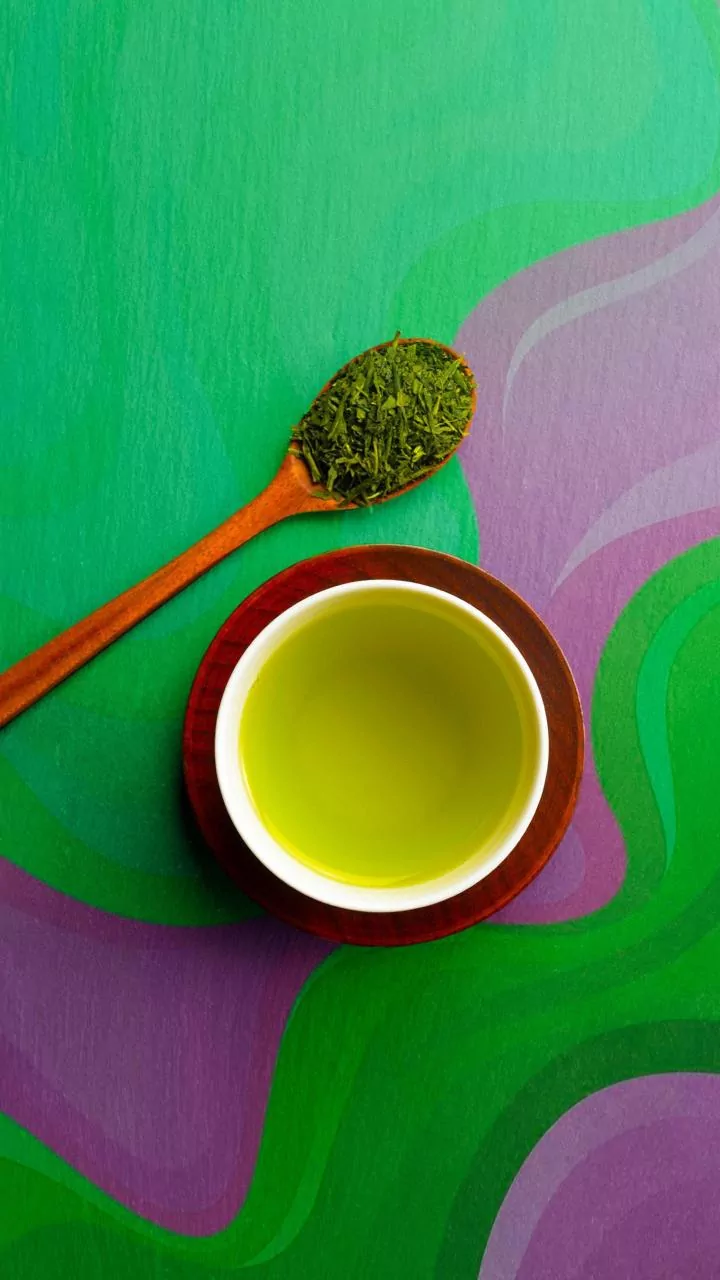
There's also a cultural and behavioural shift at play. For many, grabbing a coffee is a fast, transactional experience. In contrast, the traditional preparation of matcha—whisking the bright green powder with hot water in a bowl—can be a mindful, calming ritual. Taking a few minutes to step away from the screen and engage in this simple practice can serve as a mental reset, helping to reduce stress and recenter focus. This small pause can be just as valuable as the beverage itself in a fast-paced professional environment.