






Why Sikkim for Your Next Workation?
The idea of a 'workation'—blending work with vacation—has found a perfect home in Sikkim. The state's appeal goes far beyond just a stable Wi-Fi signal. It offers a unique combination of serene landscapes, clean air, and a rich cultural tapestry that
fosters both productivity and relaxation. Unlike other crowded hill stations, many parts of Sikkim provide a genuine sense of peace, allowing for deep focus during work hours. After logging off, you can explore ancient monasteries, hike through rhododendron forests, or simply enjoy a cup of local tea while gazing at the Kanchenjunga range. The significant upgrade in telecom infrastructure, with expanded fibre and 4G networks, means that this idyllic work-life balance is no longer a fantasy. Many homestay owners, recognizing the trend, now specifically cater to remote workers, advertising reliable internet and power backups as key amenities.
East Sikkim: The Connected Hub
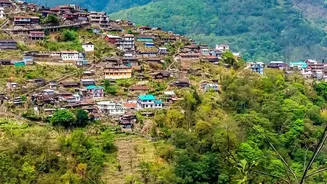
For those who prioritise convenience and reliable connectivity, East Sikkim is the ideal starting point. The capital city, Gangtok, is a vibrant hub with numerous cafes and homestays offering strong Wi-Fi suitable for video calls and daily work. While the city center is bustling, you can find quieter homestays in its suburbs that provide the best of both worlds: peace and accessibility. A particularly interesting development is Yakten, a hamlet in the Pakyong district that has been developed as India's first dedicated 'Digital Nomad Village'. With support from the local administration, homestays in Yakten are equipped with high-speed internet, 24/7 power backup, and dedicated work desks, all at affordable long-stay rates. This initiative aims to provide a year-round sustainable income for local families while offering a seamless remote work experience.
West and South Sikkim: Tranquility and Views
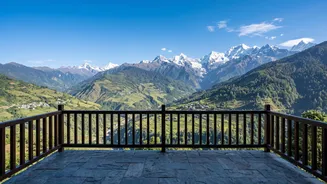
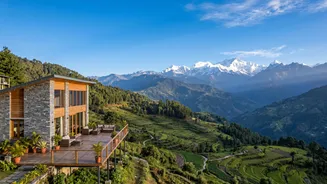
If your vision of a workation involves waking up to dramatic views of snow-capped peaks, West Sikkim is your answer. Towns like Pelling are famous for their direct, stunning vistas of the Kanchenjunga range. Homestays here, often family-run, are increasingly providing stable internet connections to attract digital nomads. Yuksom, the historic first capital of Sikkim and the gateway to the Dzongri trek, also offers a peaceful environment with Wi-Fi enabled accommodations for a focused work atmosphere. Similarly, South Sikkim towns like Ravangla and the village of Lingmoo provide a serene, offbeat experience with homestays that specifically advertise fast Wi-Fi and power backups, catering to professionals seeking quiet productivity. These locations are perfect for those who want to immerse themselves in nature without completely disconnecting.
What to Verify Before You Book
While connectivity has vastly improved, it's crucial to manage expectations, especially in more remote areas. The internet in the Himalayas can still be affected by weather. Before booking your low-cost homestay, it's wise to communicate directly with the host. Ask for a recent internet speed test screenshot to verify the connection's stability. Inquire about power backup facilities like inverters or generators, as electricity can be intermittent during heavy rains. It's also a good idea to confirm if other guests will be sharing the bandwidth, which could affect speeds during peak hours. For added security, carrying a portable internet dongle with a SIM from a reliable local provider can be a lifesaver. According to recent reports, a combination of Jio and BSNL SIM cards offers the most reliable coverage across different parts of Sikkim.