







An Exhausted Generation
Dubbed "The Tired Generation," millennials are facing a well-documented sleep crisis. Studies show a significant portion of this demographic, generally those born between 1981 and 1996, reports getting insufficient sleep. The culprits are familiar: a blend
of financial pressure, demanding work cultures that blur the lines between office and home, and the constant digital tether of smartphones. The glow of a screen late at night disrupts the production of melatonin, the very hormone that tells the body it's time to rest, creating a vicious cycle of stress and sleeplessness.
What is Circadian Science?
This is where circadian science comes in. Put simply, your circadian rhythm is the 24-hour internal clock that runs in the background of your brain, cycling between sleepiness and alertness at regular intervals. It's often called the sleep-wake cycle. For millennia, this clock was naturally set by the sun. But modern life—with its artificial lighting, late-night work emails, and jet lag—has thrown it completely out of whack. The goal of applying circadian science is to get that clock ticking on time again, using light, temperature, diet, and activity to send the body the right signals at the right time.
Engineering the Perfect Night's Sleep
So, how does a mountain resort do this? It starts in the room. These high-tech havens are less like hotel rooms and more like personalized sleep labs. Imagine waking up not to a blaring alarm, but to lights that slowly brighten to mimic the natural dawn. These resorts use automated blackout curtains and dynamic lighting systems that shift in color and intensity throughout the day, reinforcing the body's natural response to a rising and setting sun. Bedding might feature temperature-regulating technology to ensure you stay cool, which studies show is critical for deep sleep. In-room dining menus are often curated by nutritionists to exclude sleep disruptors like caffeine and sugar in the evening, focusing instead on magnesium-rich foods that promote rest.
A Holistic, Sun-Soaked Approach
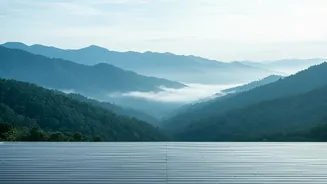
The program extends far beyond the bedroom. These resorts leverage their natural mountain settings to full effect. Guests are encouraged to join guided hikes or outdoor yoga sessions in the morning, a practice that exposes them to natural sunlight, a powerful signal for the circadian clock to start the day. The afternoon might involve spa treatments designed to calm the nervous system, like thermal bathing or massage, which help lower stress hormones like cortisol that can interfere with sleep. Evenings are dedicated to winding down, with screen-free policies in common areas, guided meditation sessions, and quiet, contemplative spaces. It’s a holistic approach designed to remove the stressors of modern life and replace them with nature’s own sleep aids.