






Getting Around Oman on a Budget
Oman is a country designed for road trips, and while public transport connects major cities, it doesn't always reach the most scenic spots. For a low-cost trip covering both Wadi Shab and Nizwa, renting a car is often the most economical and flexible
option, especially for groups. Car rentals can be found for as low as 15-20 OMR per day, which often works out cheaper than hiring taxis for long distances. Taxis from Muscat to either destination can be pricey, costing around 25-40 OMR one way. Mwasalat public buses are the cheapest way to travel between cities like Muscat and Nizwa, with a return ticket costing under 4 OMR, but the journey takes longer and service is infrequent, making a day trip challenging. For maximum savings and flexibility, booking a small, well-maintained rental car in advance is your best bet. Fuel is also relatively inexpensive, adding to the cost-effectiveness of a self-driven tour.
The Adventure to Wadi Shab
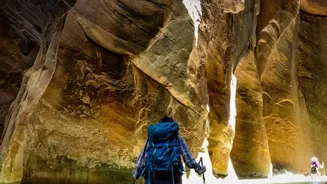
The journey to Wadi Shab, a stunning canyon with emerald pools, is an adventure in itself. Located about a 1.5 to 2-hour drive from Muscat, it’s an easy day trip. Upon arrival at the car park under the highway bridge, your first step is a short boat ride across the river to the trailhead. This mandatory ride is the only entrance fee you’ll encounter and costs just 1 OMR per person for a round trip; make sure to bring cash. The boats typically operate from early morning until about 5 p.m. The hike itself is free. The trail is roughly 2.5km each way and takes about 45-60 minutes to reach the main swimming pools. The path starts flat and easy but becomes a scramble over boulders, so sturdy water shoes are essential—leave the flip-flops behind. It's best to visit between October and April to avoid the intense summer heat.
Swimming Through a Natural Paradise
The reward for your hike is a series of crystal-clear, freshwater pools perfect for a refreshing swim. The trail ends where the swimming begins. From there, you'll wade and swim through a few pools to reach the wadi's crown jewel: a hidden cave with a waterfall. To enter the cave, you must swim through a narrow opening between the rocks. While not strenuous, you should be a confident swimmer. Inside, the waterfall cascades into a deep, beautiful pool, creating a magical experience. A waterproof bag is highly recommended to protect your phone and keys. While non-swimmers can enjoy the initial, shallower pools, the full experience requires getting in the water. For safety, it’s best to avoid visiting after heavy rain, as water levels can rise and make access to the cave dangerous.
Exploring Historic Nizwa Souq
About a 1.5 to 2-hour drive from Muscat in the opposite direction lies Nizwa, Oman's former capital and cultural heart. Its main attraction, alongside the formidable fort, is the Nizwa Souq, one of the oldest and most atmospheric markets in the country. Entrance to the souq is free. The souq is a sprawling complex divided into sections for different goods, from a fresh date market and produce hall to areas dedicated to handicrafts. To see the souq at its most vibrant, visit on a Friday morning for the weekly livestock market, where local farmers trade goats and cattle in a centuries-old tradition. This authentic spectacle starts early, around 6 a.m., and is largely over by 10 a.m. Even on other days, the souq is a fascinating place to wander for a couple of hours.
What to Buy and How to Bargain
Nizwa Souq is the ideal place to find authentic Omani souvenirs at potentially better prices than in Muscat. The market is renowned for its high-quality silver jewellery and intricately carved daggers, known as khanjars. Omani pottery, including traditional water urns and incense burners, is another popular buy. Don’t miss the date souq, where you can sample dozens of varieties and buy fresh dates. Other great finds include frankincense, local honey, spices, and traditional taqiyah skullcaps. While some parts of the souq cater more to tourists with fixed prices, bargaining is expected in many of the smaller, traditional shops. Always be polite and respectful when haggling. A good approach is to offer a price slightly lower than what you’re willing to pay and negotiate from there. Having cash on hand is useful, as not all vendors accept cards.