



From Sightseeing to Soul-Searching
For decades, the Indian holiday was a predictable affair: a mad dash through the highlight reel of a famous city or hill station. Today, that script is being rewritten. Modern travellers, especially millennials and Gen Z, are increasingly prioritising
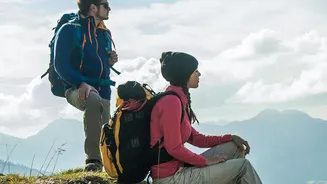
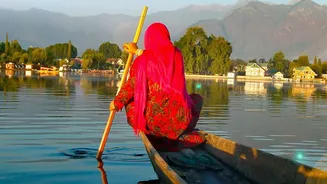
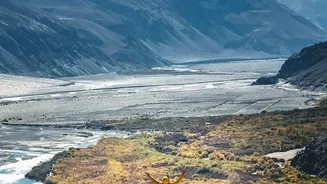
connection over collection. The goal is no longer to simply see a place, but to experience it. This means swapping a crowded beach in Goa for a quiet homestay in the backwaters of Kerala, or bypassing the usual Shimla-Manali circuit for a trek through a remote village in Spiti. Recent travel data confirms this pivot. A 2026 report noted that a staggering 91% of Indian travellers want trips that involve natural scenery, with 87% aiming to mentally unwind rather than just check off attractions. It’s a move away from performative travel towards personal fulfilment.
The Drivers of a Deeper Journey
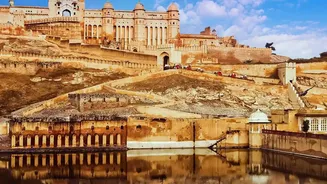
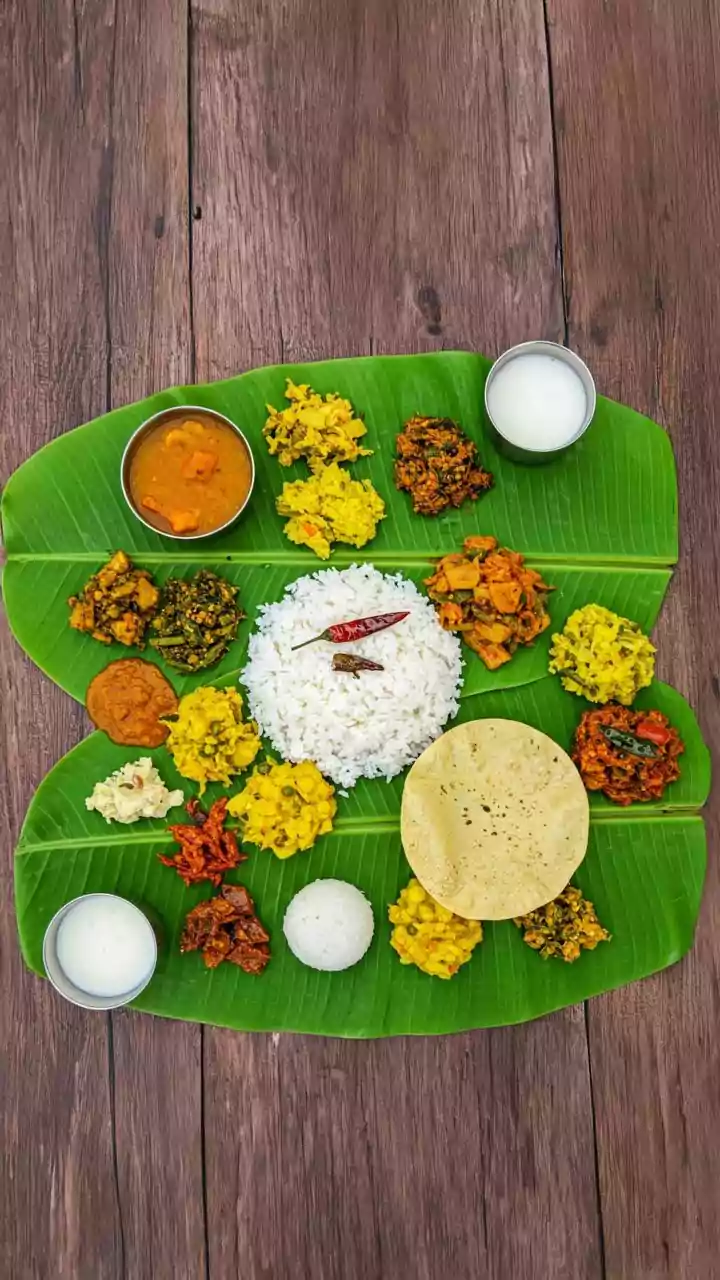
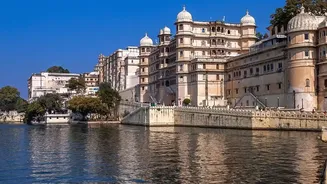
Several factors are fuelling this desire for authenticity. The post-pandemic world has left many with a yearning for genuine human connection and a break from the digital grind. There is also a growing sophistication among Indian tourists; they are more informed and experience-driven than ever before. Rather than just visiting a palace, they want to stay in a heritage property and learn its history. Instead of just eating at a popular restaurant, they seek out home-cooking classes to understand local culinary traditions. This shift is also powered by rising disposable incomes and a search for experiences that contribute to personal growth, from wellness retreats to spiritual journeys. Even social media, once the home of glossy, posed photos, is now seeing a trend towards showcasing unfiltered, real experiences.
What 'Authentic' Really Means
Authentic travel isn’t just about visiting rural areas. It’s a mindset focused on active participation rather than passive observation. These experiences can take many forms: learning a traditional craft like Patan's textile weaving, taking a food walk through the lanes of Old Delhi, or volunteering on a farm in Uttarakhand. It’s about seeking a connection to the local culture, traditions, and community. This can mean staying in homestays where you share meals with a family, joining community-led tours that offer a glimpse into daily life, or embarking on adventure activities that connect you with the natural landscape. The focus is on creating memories based on genuine interactions and stories, not just photo opportunities.
The Unseen Economic and Social Impact
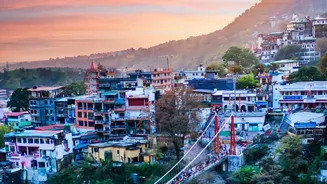
This evolving preference has a significant positive impact. As tourism revenue shifts from big hotel chains in saturated cities to smaller, local operators, it empowers communities and promotes a more sustainable form of travel. Homestays, for instance, are a powerful tool for rural development, providing families with a direct source of income and creating employment opportunities that can even help reduce urban migration. This model often encourages the preservation of local culture and heritage, as communities find that their unique traditions are valuable assets. By choosing these experiences, travellers are not only enriching their own lives but also contributing directly to the livelihoods of local artisans, guides, and small business owners, fostering a more equitable tourism ecosystem.