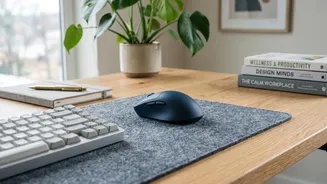


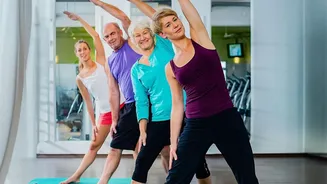

The workday is over. You’ve spent hours at a desk and now you have less than an hour for the gym. How do you make it count? The key isn't to train longer, but smarter, with a routine that directly counters the effects of being sedentary.
Why Your Desk Demands a Smarter Workout
Spending eight
hours a day sitting does more than just make you feel stiff. It leads to specific physical problems: tight hip flexors from being in a constant seated position, weak or 'sleepy' glutes that aren't being used, and a hunched-forward posture that causes rounded shoulders and potential back pain. A generic workout might not address these issues. An optimised session, however, focuses on waking up dormant muscles and stretching tight ones, leading to better posture, reduced pain, and more effective muscle building. The goal is to reverse the 'damage' of the desk before building strength.
The 5-Minute 'Undo The Day' Warm-Up
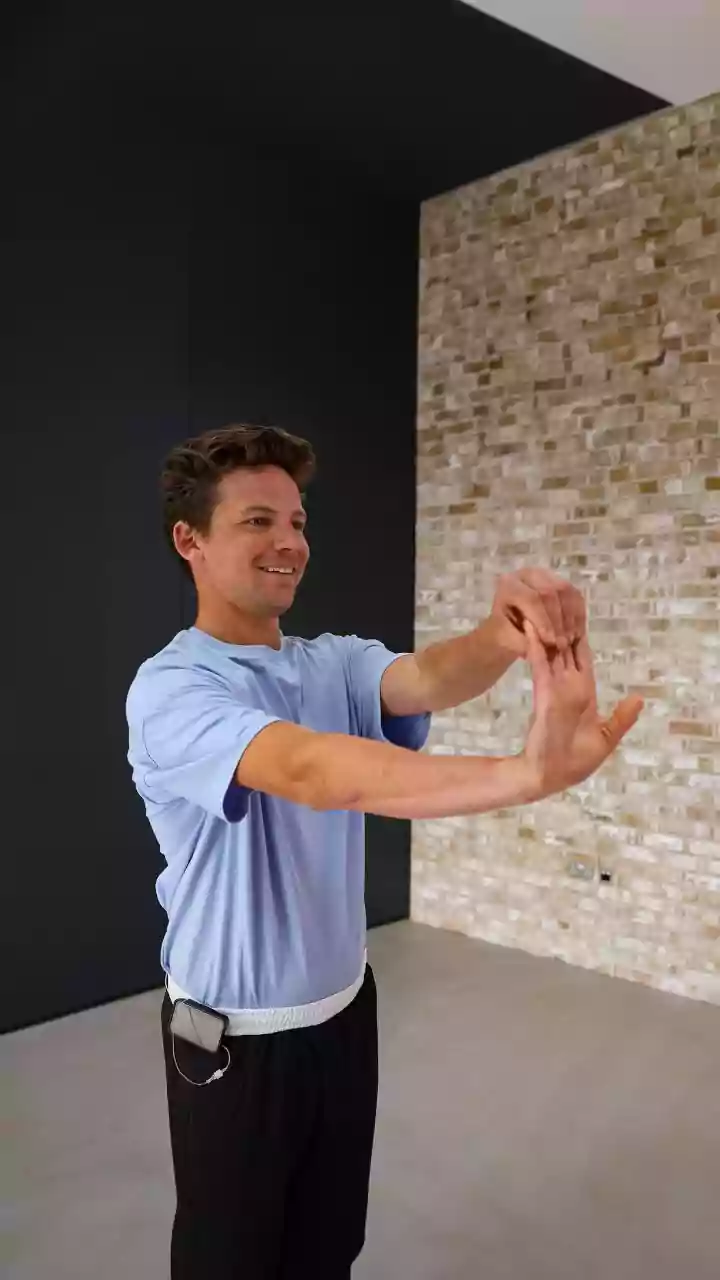
Don't even think about touching a weight until you’ve woken your body up. A dynamic warm-up is non-negotiable, especially after a day of sitting. These movements increase blood flow and prepare your joints for action. Focus on mobility exercises that open up the areas that get tight. Try movements like hip circles to loosen the hip joints, cat-cow stretches to mobilise the spine, and arm circles to open up the chest and shoulders. A few minutes of 'thoracic extensions' over a foam roller can also work wonders for your upper back. This isn’t just about injury prevention; it’s about activating the right muscles so your workout is actually effective.
Prioritise Big, Compound Movements
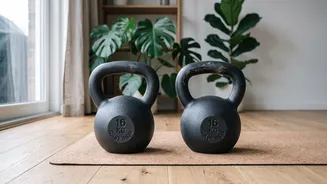
When time is short, compound exercises are your best friend. These are multi-joint movements that work several muscle groups at once, giving you the most bang for your buck in terms of strength gain and calorie burn. More importantly for desk workers, they improve posture, balance, and core stability. Prioritise exercises that build the 'posterior chain'—the muscles on the back of your body like glutes, hamstrings, and back muscles, which are weakened by sitting. Core movements like squats, deadlifts (or kettlebell swings as a great alternative), push-ups, and bent-over rows should be the foundation of your short workout. They force your body to work as a single, coordinated unit.
Use Supersets to Maximise Every Minute
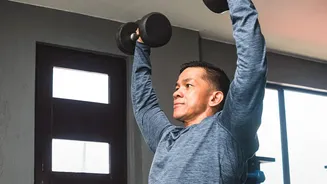
To fit a full workout into a short window, you need to cut down on rest time without sacrificing intensity. This is where supersets come in. A superset involves performing two different exercises back-to_back with minimal to no rest in between. This keeps your heart rate elevated and dramatically increases workout efficiency. A classic way to structure this is by pairing exercises for opposing muscle groups, like a set of dumbbell bench presses (a 'push' exercise) immediately followed by a set of dumbbell rows (a 'pull' exercise). This allows one muscle group to rest while the other works. You could also pair an upper_body move with a lower_body one, like shoulder presses and lunges.
Build a Stronger, More Stable Core
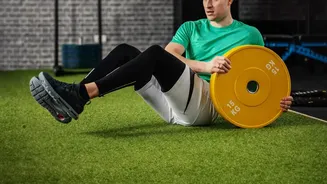
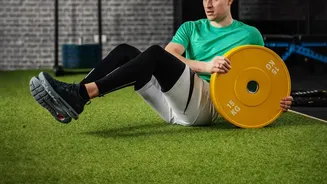
A strong core is your body's central support system, and it's your number one defence against the lower back pain that often plagues office workers. When we sit for hours, our core muscles can become weak and disengaged. Your workout must include exercises that specifically target core stability. Forget endless crunches. Instead, focus on movements that force your core to resist movement, like planks, side planks, and bird_dog exercises. These movements teach your deep abdominal muscles to stay engaged, which is crucial for maintaining good posture both in and out of the gym.
The CoolDown Is NonNegotiable
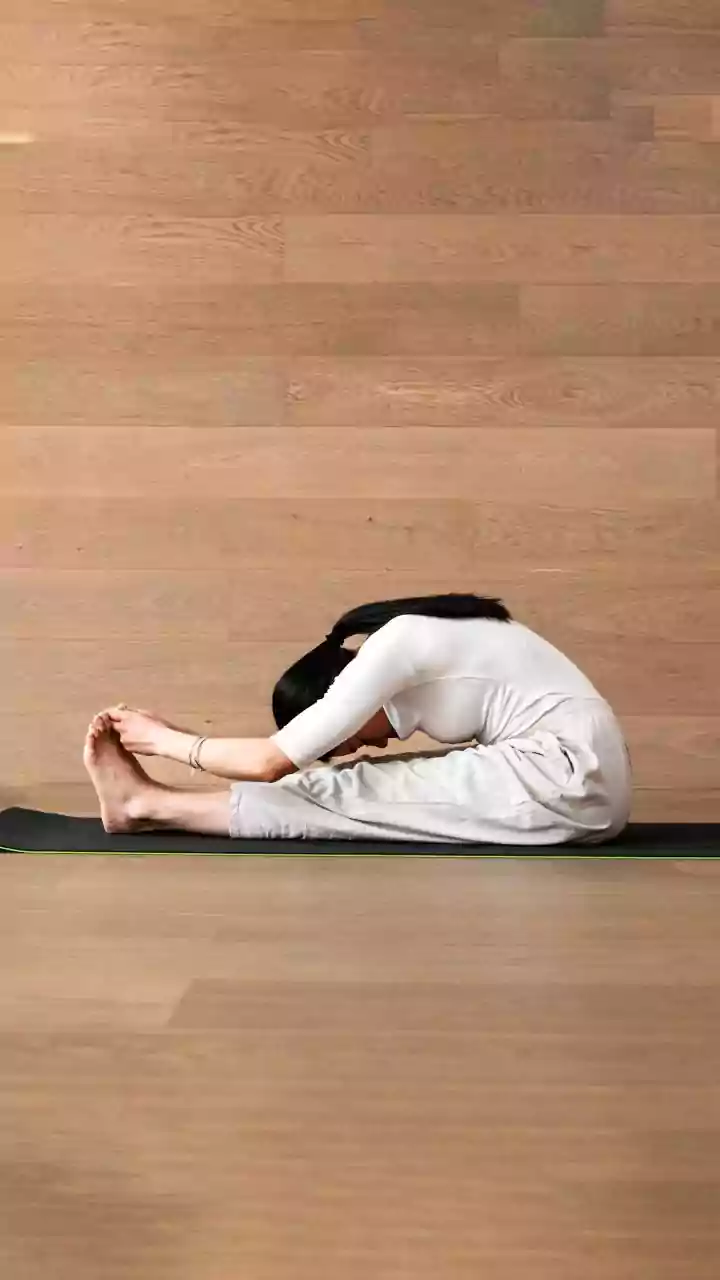
Just as the warmup is crucial for preparing your body, a cooldown is essential for helping it recover and locking in flexibility gains. This is your chance to give some extra attention to the muscles that are chronically tight from sitting. Spend five minutes performing static stretches, holding each for 20–30 seconds. Focus on stretches for your hip flexors, hamstrings, chest, and neck. Simple stretches like a standing hamstring stretch or pulling your knee to your chest while lying down can make a huge difference. This not only aids recovery but also actively improves your posture over time.