


An Unlikely Culinary Champion
For years, when food lovers debated India's street food capitals, the conversation was dominated by the usual suspects: Delhi for its chaat, Mumbai for its vada pav, and Kolkata for its kathi rolls. Indore, meanwhile, was quietly perfecting a culinary
culture that was inventive, deeply traditional, and utterly unique. [9] It wasn't an overnight success, but a story centuries in the making, influenced by Maharashtrian, Gujarati, and Rajasthani traditions. [22] The city's recent and repeated recognition as India's cleanest city has also played a crucial role, bringing national attention not just to its spotless streets but also to its hygienic, vibrant, and incredibly well-organized food scene. [20, 21] This blend of immaculate hygiene and unparalleled flavour is what makes Indore’s rise from a regional favourite to a national food icon a true underdog story.
A Tale of Two Food Hubs
Indore's street food universe revolves around two legendary hubs: Sarafa Bazaar and Chappan Dukan. [27] By day, Sarafa Bazaar is a bustling jewellery market. [6] But after 8 PM, it undergoes a magical transformation into a nocturnal food paradise that stays open until 2 AM. [7, 17] The legend says jewellers encouraged food vendors to set up shop at night to keep the area busy and deter thieves, a plan that blossomed into one of India's most iconic night food markets. [17, 24]
In contrast, Chappan Dukan, which translates to "56 Shops," is a more organized, purpose-built food street that caters to daytime and evening crowds. [4, 9] Established in 1974, it was redeveloped in 2020 into a 'smart food street'. [4, 10] It has since been recognized by the FSSAI as a 'Clean Street Food Hub', cementing its reputation for both taste and hygiene. [4, 5] Together, these two markets offer a round-the-clock culinary journey through the heart of Indore.
The Savoury Stars of the Street
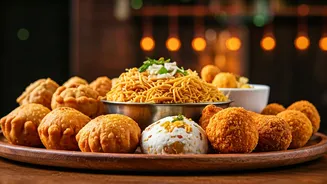
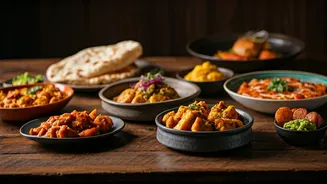
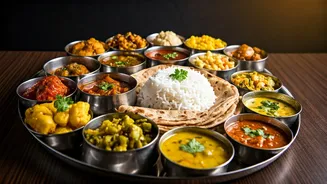
The dish that defines Indore is the breakfast combination of Poha-Jalebi. [2] The poha, a tradition brought by the Holkar dynasty from Maharashtra, is transformed into something uniquely Indori—steamed until fluffy and topped with a special 'jeeravan' masala, crispy sev, and fresh coriander. [9, 24] The savoury poha paired with the sweet, crispy jalebi is a combination that surprises and delights. [2, 27]
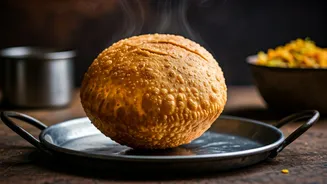
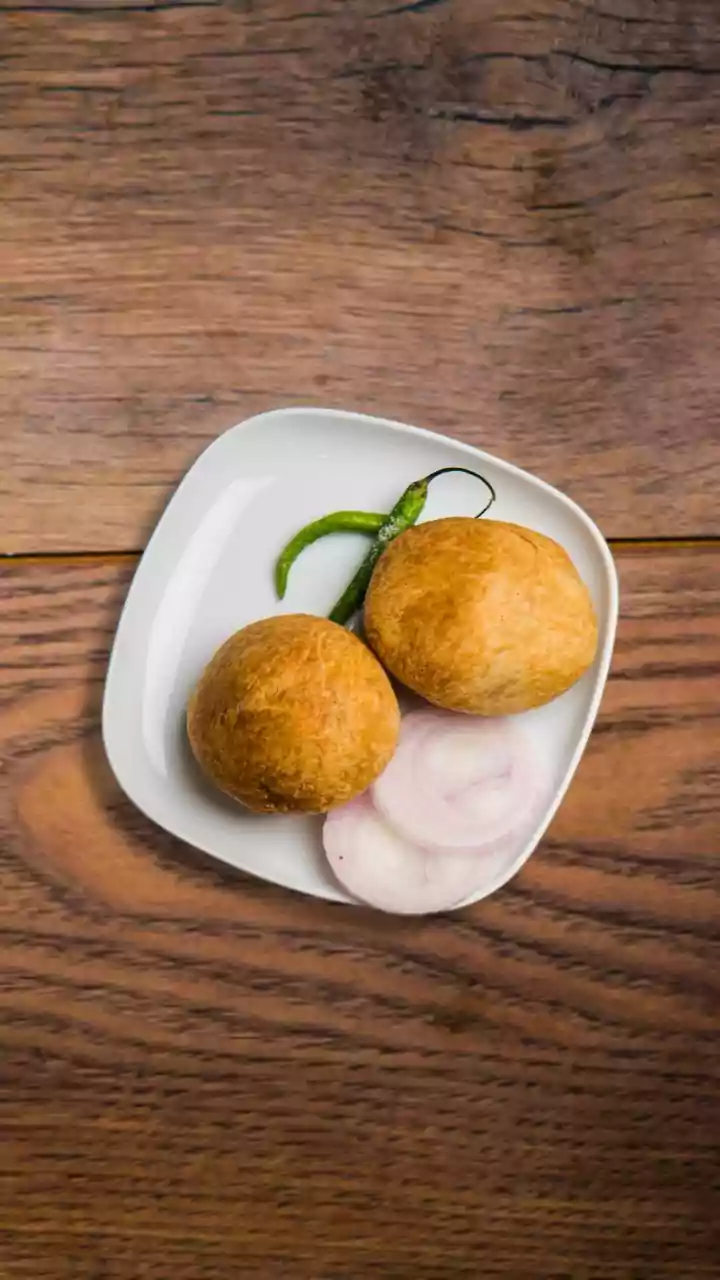
Another Indori classic is Bhutte ka Kees, a dish made from grated and mashed corn cooked in milk and spices, offering a creamy, rich texture. [8, 16] Then there's the Khopra Patties, a potato cutlet with a surprising core of sweet, spiced coconut, deep-fried to golden perfection. [14, 27] For a winter-time treat, locals flock to stalls selling Garadu, a type of yam that's fried and tossed in a tangy spice mix. [2, 8] These dishes aren’t just snacks; they are edible emblems of Indore's creative culinary spirit.
A Sweet and Theatrical Finish
No food tour in Indore is complete without sampling its sweets and witnessing a bit of theatre. At Joshi Dahi Bada House in Sarafa, the owner famously tosses plates of dahi vadas high into the air before catching them and dressing them with yoghurt and a secret blend of five masalas. [22, 24, 27] The result is a melt-in-your-mouth vada that’s as much an experience as it is a dish. For those with a sweet tooth, there's the 'Jaleba,' a giant-sized jalebi that's a meal in itself. [16] And Indore's version of Shikanji is not the lemonade you might expect; it's a thick, rich milkshake-like concoction made with reduced milk and dry fruits. [8] These finishing touches are a testament to a city that takes joy in its food and serves it with a side of spectacle.
More Than Just Food: A Culture of Cleanliness
What truly elevates Indore's street food scene and solidifies its champion status is its unparalleled commitment to cleanliness. Indore has been named India's cleanest city for eight consecutive years. [25] This civic pride extends directly to its food hubs. Chappan Dukan was specifically redeveloped as a clean, smart food zone with features like underground utility lines and impeccable waste management. [10, 19] Sarafa Bazaar, despite being a chaotic night market, is known for its hygienic practices. [17] This focus on hygiene gives tourists and locals the confidence to indulge in street food without the usual worries. It’s this winning combination of delicious, inventive food served in a clean and safe environment that completes Indore's journey from a hidden gem to the undisputed, delicious underdog champion of Indian street food.