






A Vision for a More Connected India
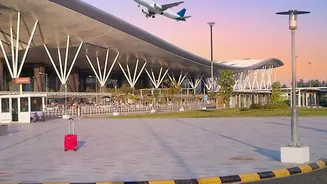
The government has announced a plan to develop 100 new airports by 2036, backed by an investment of approximately ₹30,000 crore. This initiative is part of the 'Modified UDAN' scheme, a ten-year program running from the 2026-27 to 2035-36 fiscal years.
The plan builds on significant progress already made; India's airport count grew from 74 in 2014 to 166 in 2026. Civil Aviation Minister K. Ram Mohan Naidu stated that this next phase will focus on meeting the rising demand for air travel that now comes from well beyond the major metropolitan hubs.
The Role of Modified UDAN
At the heart of this expansion is the Regional Connectivity Scheme, famously known as UDAN (Ude Desh ka Aam Naagrik). In March 2026, the Union Cabinet approved a modified version of this scheme with an outlay of ₹28,840 crore. The primary goal remains to make air travel affordable and accessible, particularly in underserved and unserved parts of the country. The focus is squarely on Tier-2 and Tier-3 cities, Himalayan states, remote areas, and island territories like Lakshadweep and the Andaman and Nicobar Islands. The minister noted that public demand is shifting, with people in smaller towns now asking for local airports, not just railway stations.
More Than Just Building Airports
The plan isn't just about constructing new buildings from scratch. A significant part of the strategy involves developing and upgrading existing unserved or underserved airstrips. The Modified UDAN scheme also includes provisions for creating 200 modern helipads to improve last-mile connectivity in hilly and remote regions. This multi-faceted approach ensures that different types of infrastructure are deployed to suit the specific needs of a region. By operationalizing existing assets, the government can potentially speed up the process of connecting new destinations to the national aviation map.
Economic and Social Ripple Effects
The development of new airports is expected to be a major economic catalyst. Enhanced connectivity is proven to boost tourism, trade, and local economies. Cities like Coimbatore, Indore, and Jaipur have already witnessed significant economic benefits following the expansion of air services, leading to growth in hospitality, real estate, and logistics. By linking smaller towns directly to major economic centers, the plan aims to decentralize growth, create jobs, and make these regions more attractive for investment and talent. Furthermore, improved air access can be critical for providing emergency services and better healthcare access in remote areas.
Challenges on the Horizon
While the vision is ambitious, its execution comes with challenges. Developing airport infrastructure requires enormous capital investment and navigating complex regulatory approvals can lead to delays. Ensuring the long-term sustainability of regional airports is another hurdle, as many routes in smaller cities can struggle with profitability. The government has acknowledged this by providing three years of operations and maintenance support for eligible aerodromes under the Modified UDAN scheme. According to the Civil Aviation Minister, the tougher task is not just building the airports but ensuring they are well-connected through sustainable flight operations.