






How This Natural Solution Works
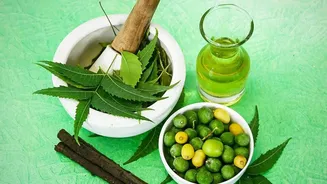
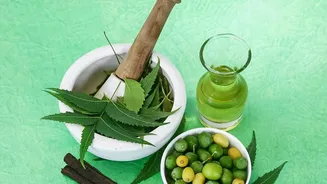
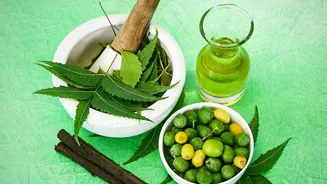
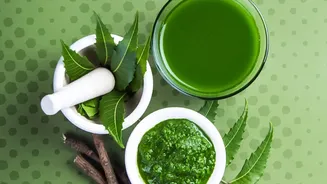
Neem oil, derived from the seeds of the neem tree, is a powerful ally for organic gardeners. Its primary active component, azadirachtin, works in several ways. It acts as an antifeedant, discouraging pests from eating your plants. It's also a hormone
disruptor that can interfere with the growth and reproduction cycles of many insects, killing them at the egg, larval, or adult stage. The liquid soap in the mixture serves two purposes. First, it acts as an emulsifier, allowing the neem oil to mix with water. Second, the soap itself can break down the outer layer of soft-bodied insects like aphids and mites, causing them to dehydrate and die.
Gathering Your Simple Ingredients
Creating your own pest spray is incredibly straightforward. You only need three basic items that are readily available: Cold-Pressed Neem Oil: Look for 100% pure, cold-pressed neem oil. This form is the most potent as it retains the highest concentration of azadirachtin. Mild Liquid Soap: It is crucial to use a gentle, pure soap without degreasers or harsh detergents, which can damage plants. Castile soap or a specific insecticidal soap are excellent choices. Avoid using standard dishwashing liquids that contain extra chemicals. Water: Use warm water, as it helps the oil and soap mix more easily. Filtered or distilled water is ideal if your tap water is very hard.
The Perfect Mixing Ratio
A general-purpose preventative spray uses a mild concentration that is effective without being too harsh on plants. For a one-litre batch, which is a manageable size for most home gardens, follow this simple recipe: 1. Start with one litre of warm water in a clean spray bottle. 2. Add 1 teaspoon (about 5ml) of pure, cold-pressed neem oil. 3. Add 1/2 teaspoon (about 1-2ml) of mild liquid soap. 4. Secure the lid and shake the bottle vigorously to emulsify the mixture. You should see the oil and water combine into a milky solution. It's important to use the mixture immediately or within eight hours, as the components can separate and the neem oil can degrade over time. Shake the bottle frequently during application to keep the solution well-mixed.
A Step-by-Step Application Guide
Correct application is key to success. The best time to spray plants is in the early morning or late evening when the sun is not intense, as direct sunlight on oiled leaves can cause them to burn. This timing also minimizes contact with active pollinators like bees. Before spraying an entire plant, always do a patch test on a single leaf and wait 24 hours to check for any signs of damage. When you're ready to spray, ensure you get complete coverage. Pests often hide on the undersides of leaves and at stem joints, so be thorough. Coat all surfaces of the plant until they are wet but not dripping. For an active infestation, reapply the spray every 7 days. For preventative care, a spray every 14 days during the growing season is usually sufficient.
Pests and Diseases It Controls
This simple spray is remarkably effective against a wide range of common garden nuisances. It works best on soft-bodied insects and can also help suppress some fungal diseases. Pests controlled by neem oil include aphids, spider mites, whiteflies, mealybugs, thrips, and scale. It can also deter caterpillars and some beetles from feeding on your plants. Furthermore, neem oil has fungicidal properties and can help manage issues like powdery mildew, black spot, and rust when applied regularly as a preventative measure.
Important Safety Precautions
While neem oil is a natural product, it should still be used with care. To protect beneficial insects like bees and butterflies, avoid spraying when they are actively foraging; applying in the evening is the safest practice. Once the spray has dried, it is generally not harmful to pollinators, as they do not feed on the plant foliage. The oil is considered slightly toxic to fish and aquatic life, so avoid runoff into ponds or waterways. Though generally safe for pets and wildlife, it's best to keep pets away from freshly sprayed areas until they are dry. Always wash any vegetables or fruits thoroughly before eating them if they have been treated with neem oil spray.