


The Pure Investor’s Choice: Gold Coins
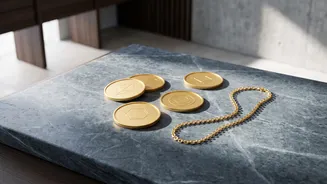
For the investment purist, gold coins have long been the undisputed champion. Their appeal lies in their simplicity and transparency. Typically minted in 24-karat purity (99.9% pure gold), coins represent the most direct way to own the yellow metal. When
you buy a certified gold coin, you are paying almost entirely for the gold itself, with minimal additional costs. Making charges, the fees for craftsmanship, are either non-existent or very low, often just 1-4%. This means a larger portion of your money goes directly into the asset. Furthermore, their standardised weight and purity, often verified by a BIS Hallmark, make them highly liquid and easy to sell at a price close to the prevailing market rate. If your primary goal is to hedge against inflation and grow your wealth with no emotional attachment, coins are the logical, financially efficient choice.
The Real Cost of Adornment
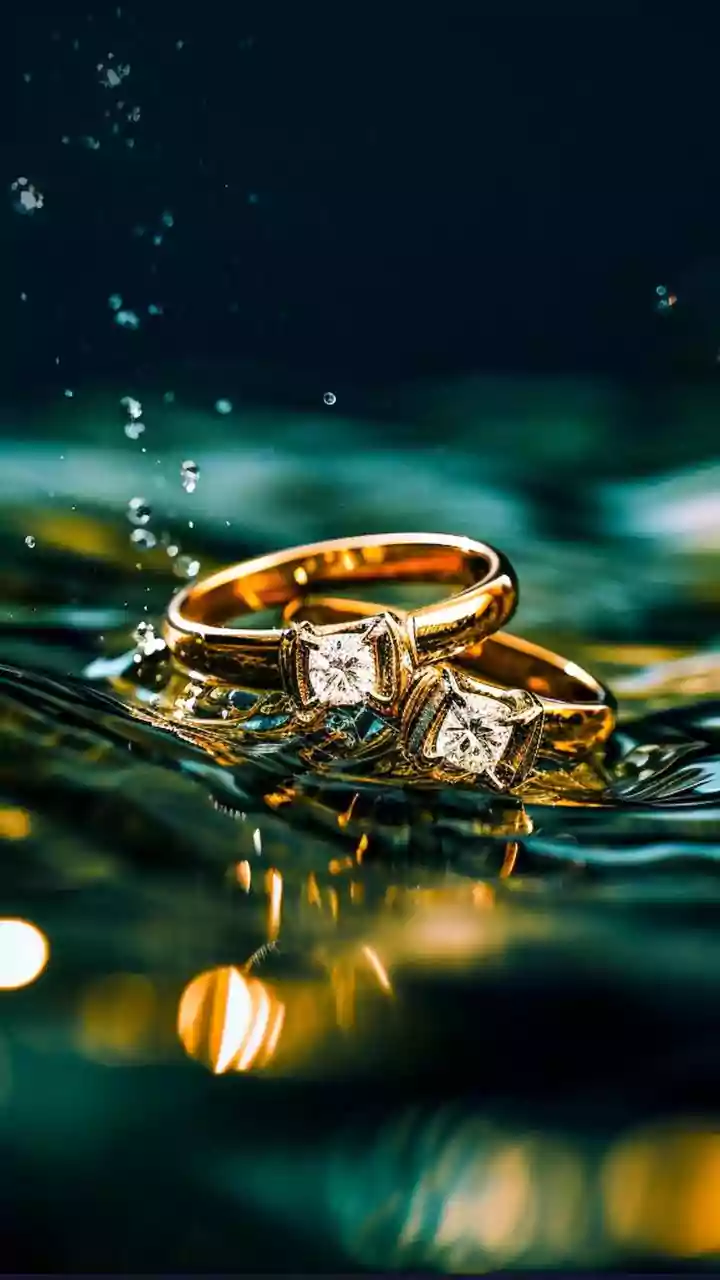
Gold jewellery, on the other hand, tells a different financial story. The price tag on a necklace or a pair of bangles includes much more than just the value of the gold. The single biggest extra cost is 'making charges'. These charges, which cover the labour and artistry involved in creating the piece, can range anywhere from 8% to over 25% of the gold's value. This fee is almost never recovered when you decide to sell. Additionally, most jewellery in India is crafted from 22-karat gold (91.6% purity) or even 18-karat gold, meaning it contains other metals to enhance durability. While this makes it practical for daily wear, it means you're getting less pure gold for your money compared to a 24-karat coin. When you add the 3% GST on both the gold value and the making charges, the initial cost of jewellery as an investment is significantly higher.
The Unseen Return: Utility and Joy
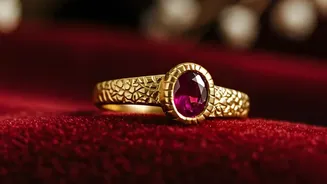
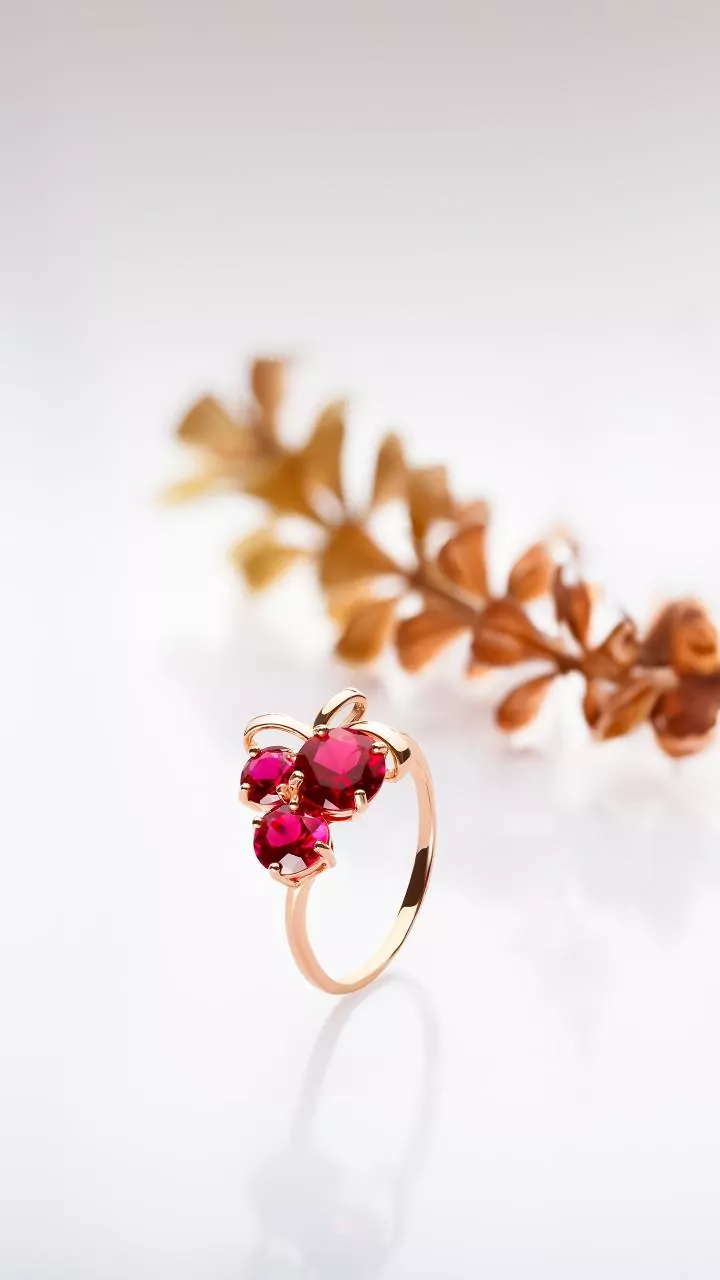
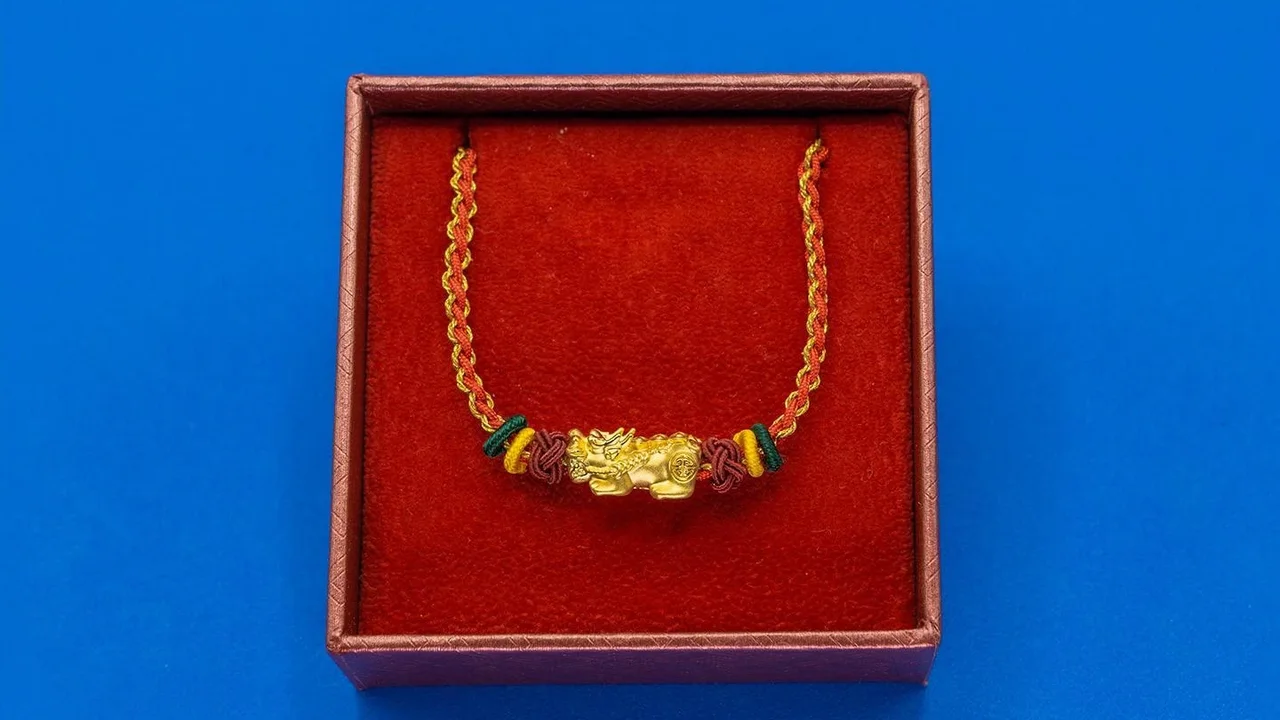
This is where the argument shifts away from pure numbers. While a gold coin sits in a locker, offering no value beyond its market price, jewellery provides what economists call 'utility'. It is an asset you can wear, enjoy, and display. This 'wearable wealth' serves a dual purpose: it's a store of value that also functions as a beautiful accessory for weddings, festivals, and everyday life. There is an undeniable emotional and cultural return that coins simply cannot offer. For many, jewellery becomes a treasured family heirloom, passed down through generations, accumulating sentimental value that far outweighs its metallic worth. The premium paid in making charges can be seen as a fee for this enjoyment and cultural significance, an investment in lifestyle as much as in finance.
Making Your Jewellery a Smarter Asset
If the idea of a wearable investment appeals to you, there are ways to make smarter jewellery purchases. The first step is to always insist on BIS Hallmarked items. This government-mandated certification assures you of the gold's purity. The hallmark will clearly state if the piece is 22K916 (22-karat) or 18K750 (18-karat). Secondly, don't be afraid to negotiate on making charges, especially during festive seasons when jewellers might offer discounts. Comparing offers from different jewellers can reveal significant differences in these fees. Finally, inquire about the jeweller's buy-back policy. Some established brands offer better resale value if you sell the piece back to them, potentially recovering a small portion of the making charges or offering a direct exchange for a new design.
The Final Verdict: Investment vs. Asset with Benefits
Ultimately, the choice between gold coins and jewellery is not about which is 'better' overall, but which is better for your specific goals. If your sole objective is a straightforward, liquid investment with the highest potential for financial return, gold coins are the clear winner. They have higher purity, lower costs, and a better resale value. However, if you value the ability to use and enjoy your asset, and you see gold as part of your cultural and family life, then jewellery might make more sense. You are consciously paying a premium for the craftsmanship and the joy of wearing it. Think of it this way: a coin is a pure investment, while jewellery is an investment that pays dividends in beauty and personal expression.