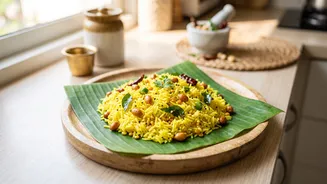



A great cup of tea offers a moment of calm, but its delicate flavour is easily compromised. If your brew tastes a bit 'off', the culprit might be in your kitchen cabinet. Storing tea near spices can permanently alter its taste.
Why Tea Leaves are Flavour Sponges
Dried tea leaves are highly
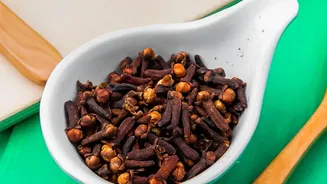
porous and hygroscopic, meaning they readily absorb moisture and aromas from the air around them. Think of a dry tea leaf as a tiny sponge with a vast internal surface area, ready to soak up any strong scent it encounters. This remarkable quality is what allows producers to create scented teas like jasmine by storing the leaves with flower blossoms. However, this same property becomes a major liability in your pantry. When stored near aromatic spices like cinnamon, cloves, or cardamom, the tea leaves will inevitably absorb these powerful odours, leading to a contaminated brew that tastes nothing like it should.
The Enemies of Fresh Tea
Strong odours are just one of five key enemies that degrade the quality of your tea. The others are air, light, heat, and moisture. Oxygen causes the leaves to continue oxidizing, which makes the flavour go stale and flat over time. Light, especially direct sunlight, breaks down the chemical compounds that give tea its flavour and colour. Heat accelerates these chemical reactions, causing the tea to lose its freshness much faster. Finally, moisture is perhaps the biggest threat, as it can not only ruin the flavour but also lead to the growth of mould, rendering the tea unsafe to drink. Proper storage is about creating a fortress that protects your leaves from all five of these elements.
Identifying the Worst Offenders
While any strongly scented item can pose a risk, the spice rack is public enemy number one. Pungent spices like curry powder, star anise, cloves, and even strong herbs like rosemary can easily overpower a delicate green or white tea. It's not just spices; coffee is another major culprit. Storing tea and coffee in the same cupboard is a common mistake that will result in cross-contamination of flavours. Even strong-smelling foods like garlic and onions can transfer their aromas if stored in close proximity. The rule is simple: if you can smell it easily, it has the potential to ruin your tea.
The Best Way to Store Your Tea
The ideal storage solution for tea is an airtight, opaque container kept in a cool, dark, and dry place. Metal tins, especially those with a double lid, are a classic and highly effective choice because they block out both light and air. Ceramic jars with a good seal also work very well. While clear glass jars might look appealing on a countertop, they are one of the worst choices unless you plan to keep them inside a completely dark cupboard, as they offer no protection from light. When you find a good spot, make sure it’s far away from the stove, oven, kettle, or any sunny windows to protect the leaves from heat and moisture.
Extra Tips for Peak Freshness
To take your tea storage to the next level, consider a few additional habits. If you buy tea in large quantities, consider portioning it out. Keep a smaller, everyday-use tin for easy access, and store the larger backup supply with as much air removed as possible to minimise repeated oxygen exposure. Always use a dry spoon when scooping loose-leaf tea to avoid introducing moisture into the container. Furthermore, never store different types of tea together in the same container, as a strong Earl Grey can easily overwhelm a delicate Darjeeling. By giving each tea its own protected space, you ensure that every cup you brew tastes exactly as the maker intended.