
The Two Types of Dietary Iron
To understand why this food pairing is so effective, it's important to know that iron comes in two forms: heme and non-heme. Heme iron, found in meat, poultry, and fish, is easily absorbed by the body. Non-heme iron, however, which comes from plant sources
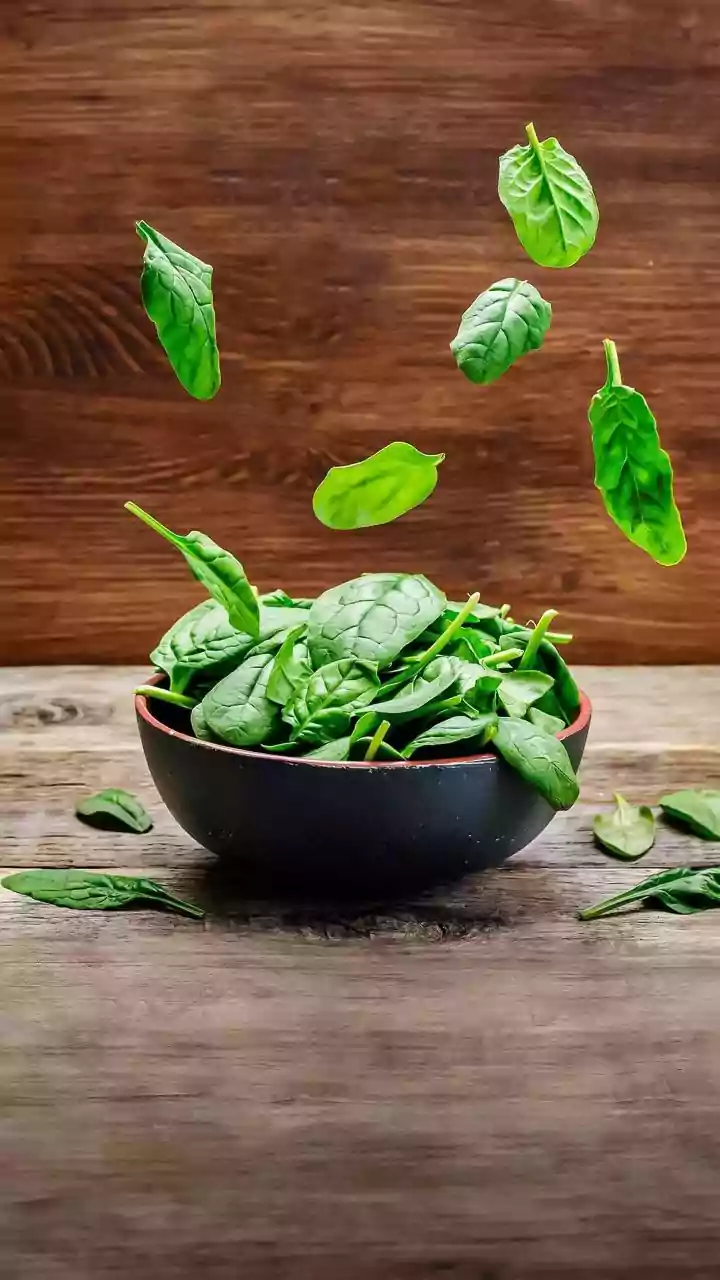
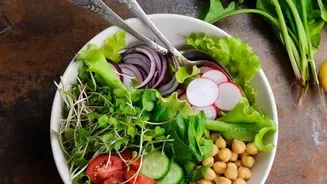
like leafy greens, beans, and lentils, is harder for our bodies to use. This is a major reason why those on vegetarian or vegan diets need to be more strategic about their iron intake. Since up to 90% of the iron in many diets is the non-heme type, making sure you absorb it well is crucial for everyone.
Vitamin C: The Key to Unlocking Plant Iron
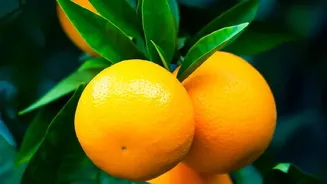
This is where Vitamin C, also known as ascorbic acid, plays a starring role. When you consume Vitamin C along with a source of non-heme iron, it triggers a chemical reaction in your digestive system. Vitamin C captures the non-heme iron and converts it from its ferric (Fe3+) form into the more soluble ferrous (Fe2+) form, which your intestines can absorb much more easily. Studies have shown this effect is significant. While the exact amount varies, some research indicates that adding Vitamin C can increase absorption by over 60%, with some suggesting it could be even higher depending on the meal. This simple act essentially makes the iron in your plant foods more bioavailable.
Perfect Pairings for Your Plate
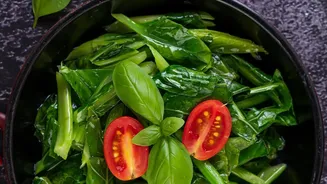
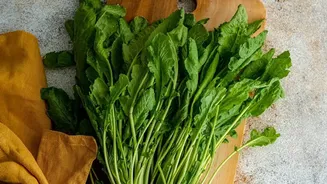
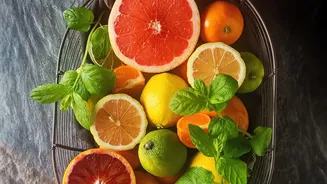
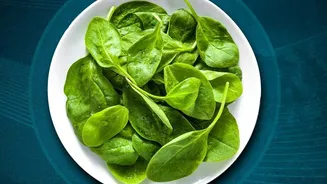
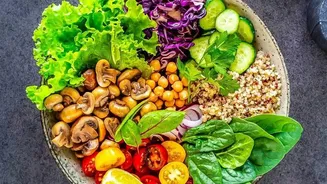
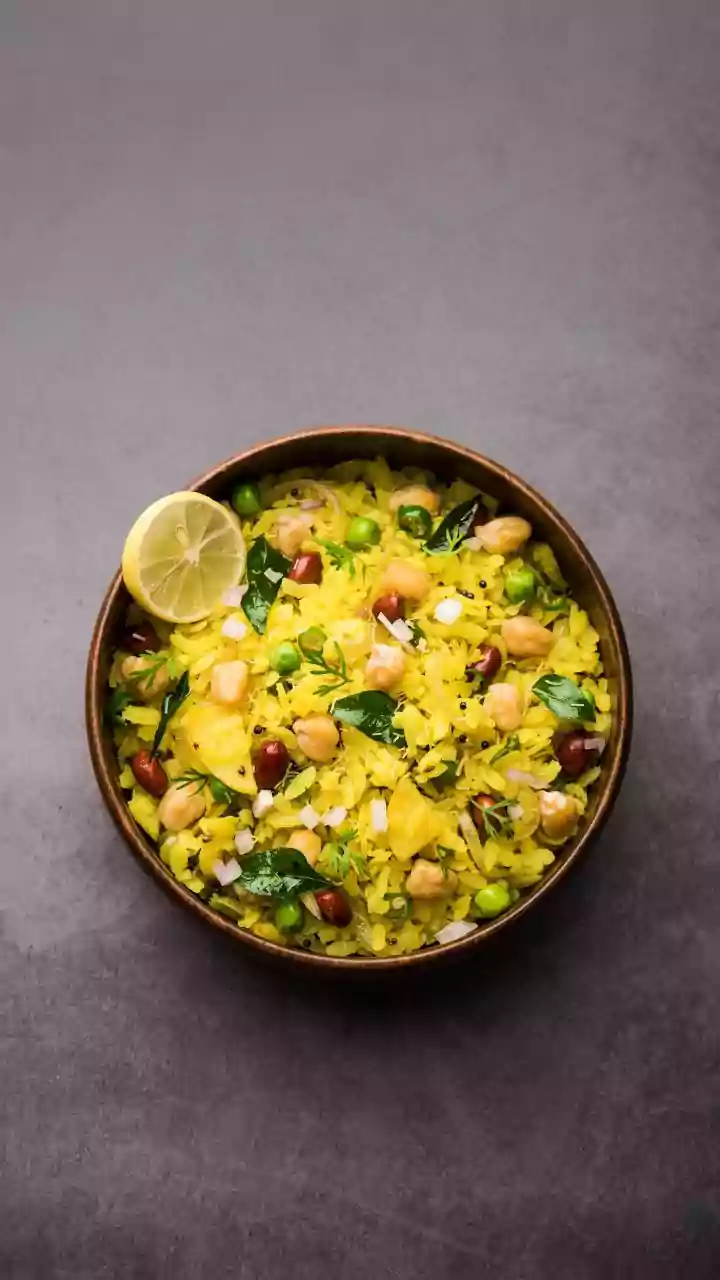
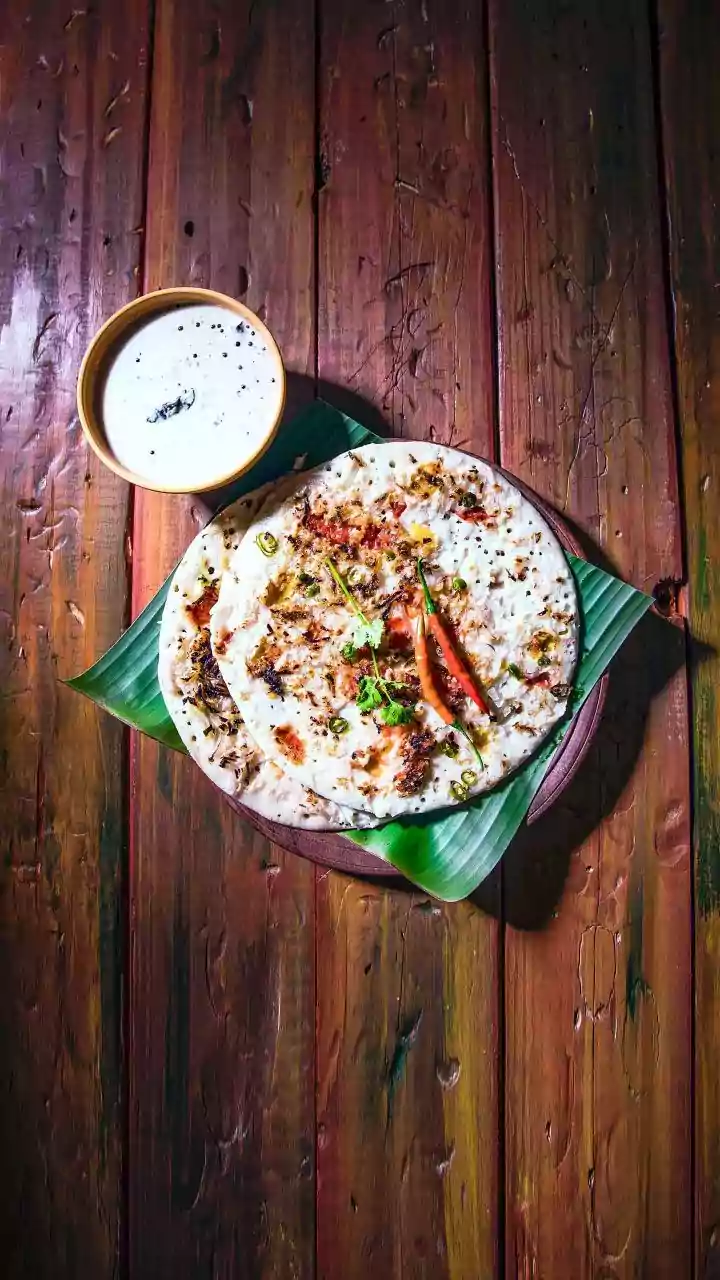
Putting this science into practice is both easy and delicious, especially with common Indian foods. Think about squeezing fresh lemon juice over a bowl of palak (spinach) curry or dal. A side of amla (Indian gooseberry), which is exceptionally rich in Vitamin C, works wonders when eaten with a lentil-based meal. Other fantastic combinations include adding tomatoes and bell peppers to a bean or chickpea curry, or having a fresh orange with a handful of nuts and seeds. A simple salad with a citrus vinaigrette alongside a main course of whole grains and greens is another effective strategy.
Beyond Just Citrus
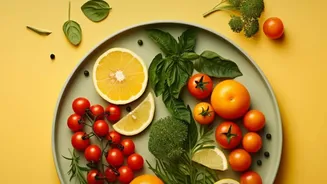
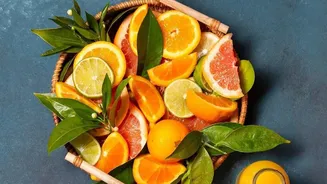
While citrus fruits are an excellent and obvious source of Vitamin C, many other foods can do the job just as well. Brightly coloured fruits and vegetables are generally great sources. Think bell peppers (especially red and yellow), broccoli, strawberries, kiwi, and tomatoes. Adding these to your meals not only boosts iron absorption but also adds flavour, texture, and a host of other beneficial nutrients. The key is to consume the Vitamin C-rich food in the same meal as your iron source to get the maximum benefit.
What to Keep on the Side
Just as some foods help iron absorption, others can hinder it. Compounds called phytates, found in whole grains and legumes, and tannins, found in tea and coffee, can block the absorption of non-heme iron. Calcium is another inhibitor, affecting both heme and non-heme iron. This doesn't mean you should avoid these healthy foods, but rather be mindful of timing. For instance, try to avoid drinking tea, coffee, or milk immediately with your iron-rich meals. Leaving a gap of an hour or two can make a significant difference in how much iron your body actually gets.