


From Packets to Platters
The journey for many beloved Indian snack brands is no longer ending on a supermarket shelf. In a significant strategic pivot, household names are transforming into global culinary ambassadors. Haldiram's, a brand synonymous with namkeen and sweets since
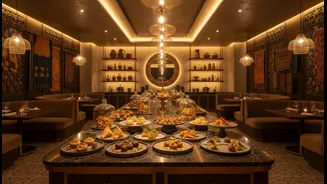
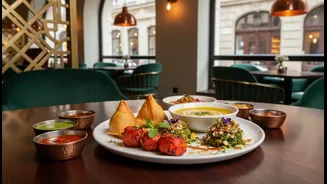
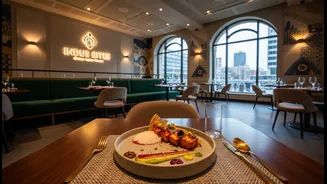
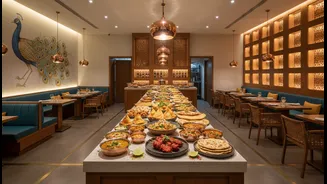
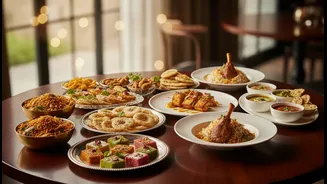
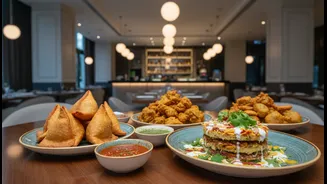
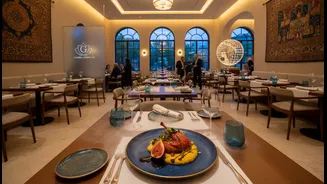
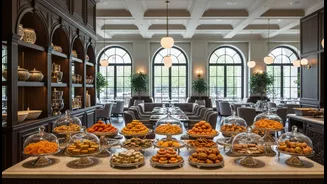
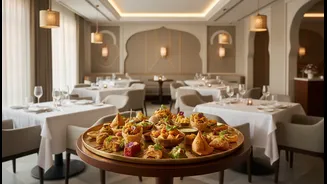
1937, made headlines in June 2026 by opening a 120-seat premium casual dining restaurant in London's Leicester Square. This follows earlier successful launches in Dubai in 2025 and 2026. Similarly, legacy brand Bikanervala, which has long had an international presence, opened a London outlet in 2025, offering everything from street-side chaat to complete meals. This move from product exporter to experience provider marks a new era of confidence for Indian brands on the world stage. The viral videos of long queues for chole bhature in London are a testament to the immense appetite for this authentic experience.
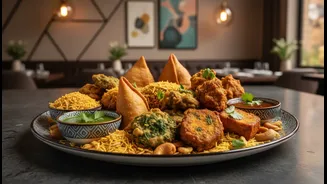
The Strategy Behind the Samosa
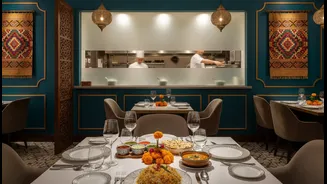
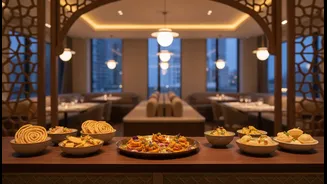
Why would a brand open a high-cost restaurant in an expensive city when it could just ship packets? The answer lies in ambition, brand control, and higher margins. A full-service restaurant allows a brand to curate the entire customer journey, presenting its food in a controlled, high-quality environment that moves beyond the generic 'curry house' stereotype. It’s a chance to showcase regional specialties exactly as they are meant to be tasted. This strategy builds a deeper connection with customers—both the Indian diaspora craving a taste of home and a curious global audience ready to explore authentic cuisine. Furthermore, a flagship restaurant acts as a powerful marketing tool, creating a 'halo effect' that elevates the brand's retail products and reinforces its authenticity. It’s a shift from just selling a product to selling a complete cultural and culinary experience.
Beyond the Indian Diaspora
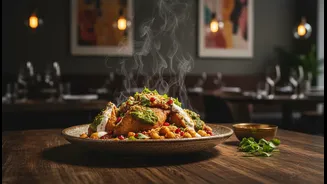
While the Indian diaspora provides a loyal and enthusiastic initial customer base, the ultimate goal is to win over global diners. This expansion is part of a broader trend of Indian cuisine's rising popularity worldwide. To appeal to a wider audience, these brands are creating thoughtfully designed, modern dining spaces and curating menus that offer both classic comfort foods and opportunities for culinary discovery. The strategy isn't necessarily about 'dumbing down' spice levels, but about presentation and education, explaining the context of dishes like raj kachori or pao bhaji. By establishing themselves in major international hubs like London and Dubai, these brands are positioning Indian food not as a niche ethnic option, but as a mainstream global cuisine. This move has been bolstered by significant investments, such as Temasek's backing of Haldiram's, aimed at accelerating this global push.
Navigating Global Challenges
The path to global restaurateur is not without its hurdles. Setting up shop abroad involves navigating complex local food regulations, high operational costs, and intense competition in mature dining markets. Building a reliable and cost-effective supply chain for authentic ingredients is another significant challenge. However, many of these brands are leveraging years of experience in the export market. Haldiram's, for instance, has had a manufacturing base in the UK for several years to supply its packaged goods, which now supports its restaurant venture. Bikanervala also has a long-established international footprint in markets like the USA, Canada, and the UAE, providing a playbook for its European entry. This groundwork in manufacturing, logistics, and compliance has been crucial in enabling the transition from retail to restaurant.