



A Tale of Two Crises
For decades, the primary concern for child nutrition in India was undernutrition. Issues like stunting, wasting, and being underweight have been persistent challenges. According to the National Family Health Survey (NFHS-5), 35.5% of children under five
are stunted and 19.3% are wasted. These figures represent a long-standing battle that government programmes have sought to address. However, a new and rapidly growing crisis now shares the spotlight: childhood obesity. India now ranks second globally for the number of children with a high BMI, with over 41 million school-aged children affected. This creates a 'double burden' where the country must simultaneously fight the effects of both calorie deficiency and calorie excess, often within the same communities.
The September 9 Initiative: A Renewed Push
The 'September 9 Initiative' marks the official launch of the 9th Rashtriya Poshan Maah (National Nutrition Month) 2026 from Varanasi. Spearheaded by the Ministry of Women and Child Development, this month-long campaign is a cornerstone of the broader POSHAN Abhiyaan (National Nutrition Mission). This year's theme, “Hamari Anganwadi, Hamari Jimmedari” (Our Anganwadi, Our Responsibility), places community ownership at the heart of the nutrition conversation. The initiative isn't just a symbolic launch; it aims to mobilize communities and reinforce key nutritional messages through Anganwadi centres, schools, and local panchayats across the country. The goal is to transform a government programme into a 'Jan Andolan' or people's movement.
Key Focus Areas for 2026
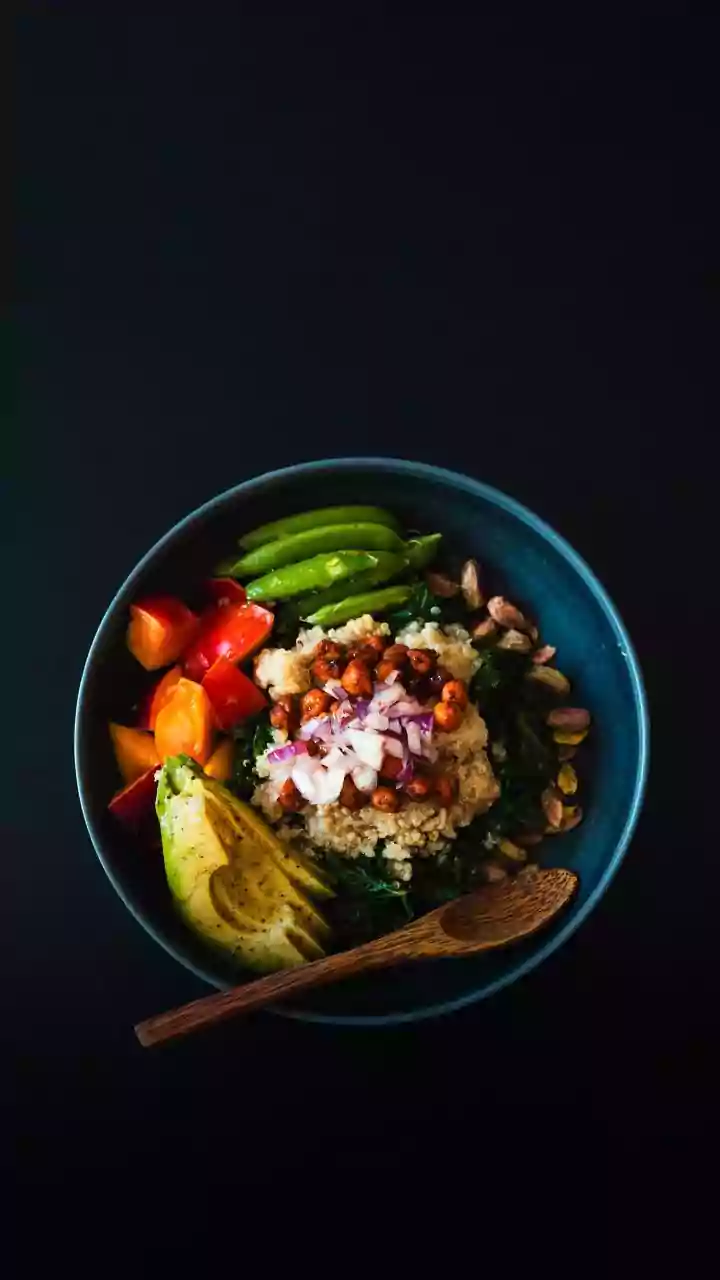
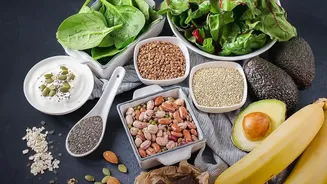
This year's Poshan Maah is built on five key pillars. The first is promoting dietary diversity with a special emphasis on adequate protein intake from sources like pulses, nuts, and eggs. The second focuses on ensuring fresh, diverse, and hygienic hot-cooked meals at Anganwadi Centres. The third pillar is about community accountability, empowering Anganwadi Management Committees to oversee services. The fourth links nutrition directly to cognitive development and early education, reinforcing that what a child eats impacts how they grow and learn. Finally, the campaign will mark ten years of the Pradhan Mantri Matru Vandana Yojana (PMMVY), a maternity benefit programme crucial for maternal nutrition and the health of a child in their first 1,000 days.
The Challenge Beyond the Tiffin Box
While initiatives like Poshan Maah provide a crucial framework, parents face daily challenges that exist outside of policy. The widespread availability and aggressive marketing of ultra-processed foods, high in sugar, salt, and unhealthy fats, have fundamentally changed children's dietary patterns. The World Obesity Atlas 2026 noted that 74% of Indian adolescents do not meet recommended physical activity levels. Furthermore, a 2026 UN report highlighted that over a third of Indians cannot afford a consistently healthy diet, even if they consume enough calories to stave off hunger. This economic pressure often makes cheaper, calorie-dense but nutrient-poor foods the default option for many families, contributing to both obesity and micronutrient deficiencies known as 'hidden hunger'.
What Can Parents Take Away?
The message from this national push is one of empowerment and shared responsibility. For parents, it serves as a reminder of the power of home-cooked meals and traditional diets, which are often naturally balanced and nutritious. The campaign's focus on dietary diversity encourages a return to including a variety of local grains, millets, pulses, and seasonal vegetables in daily meals. Reading food labels to understand sugar and sodium content, finding healthier home-made alternatives to popular packaged snacks, and involving children in meal preparation can be practical first steps. The government's emphasis on community ownership means parents have a greater role to play in monitoring the quality of meals and services provided at local Anganwadi centres and schools, ensuring these initiatives translate into real benefits for their children.