


What Exactly Is This 'Super' Flour?
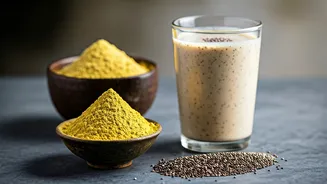
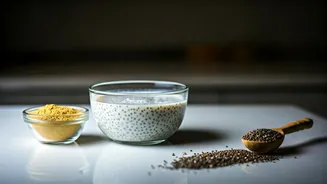
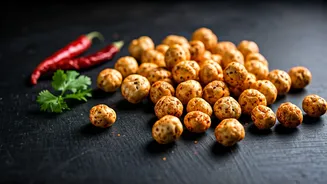
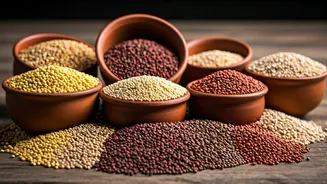
Roasted chickpea flour, popularly known in India as sattu, is a powerhouse of nutrition with deep cultural roots. [7, 18] It's made by dry-roasting Bengal gram (kala chana) and then grinding it into a fine powder. [16] This process is different from how
besan (gram flour) is made, which uses raw, un-roasted chickpeas. The roasting gives sattu a distinct nutty flavour and a longer shelf life, but more importantly, it makes it incredibly easy to prepare. [16] Traditionally a staple food in states like Bihar, Uttar Pradesh, and Jharkhand, sattu was the go-to source of strength for farmers and labourers, offering quick, sustained energy for long days of work. [7, 13] Today, it's being rediscovered by health-conscious urban dwellers and fitness enthusiasts as a clean, natural alternative to processed health foods. [7, 11]
The High-Energy, Low-Cost Promise
One of sattu's biggest draws is its ability to provide sustained energy. Unlike sugary drinks that cause a quick spike and crash, sattu has a low glycaemic index. [6, 16] This means it releases energy into the bloodstream slowly and steadily, keeping you feeling active and alert for hours. [16] It's packed with complex carbohydrates, high-quality plant-based protein, and fibre. [2, 8] A 100-gram serving of sattu can contain around 20-26 grams of protein, which is comparable to many commercial protein powders. [2, 21] This high protein and fibre content also promotes a feeling of fullness, helping to curb unhealthy snacking and manage weight. [8, 14] Best of all, it lives up to its 'pocket-friendly' reputation, often called the 'poor man's protein' because it offers incredible nutritional value at a fraction of the cost of whey protein and other supplements. [10, 14, 20]
A Nutritional Powerhouse
Beyond just protein and carbs, sattu is a treasure trove of essential minerals. It is a good source of iron, magnesium, calcium, and potassium. [4, 8] The combination of calcium and magnesium is excellent for bone health. [4] Its high insoluble fibre content acts as a natural cleanser for the digestive system, aiding digestion and helping to prevent issues like bloating and constipation. [8, 16] Traditionally, sattu is also known for its cooling properties, making a sattu sharbat (a drink made from sattu) a popular choice to beat the intense Indian summer heat and stay hydrated. [7, 16]
How to Make a Classic Sattu Shake
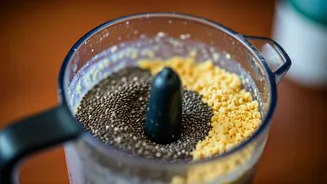
The beauty of a sattu shake lies in its simplicity. You don't need any special equipment or cooking skills. For a classic, savoury (namkeen) energy drink, you just need a few basic ingredients. In a glass, mix 2-3 tablespoons of sattu flour with chilled water. [10] Add black salt to taste, a pinch of roasted cumin powder, and a squeeze of fresh lemon juice. [10] Some people also like to add finely chopped mint leaves or onions for extra flavour and crunch. Stir everything together until there are no lumps, and your refreshing, energising drink is ready. The key is to ensure the powder is fully dissolved for a smooth consistency. [20]
Sweet Variations and Modern Twists
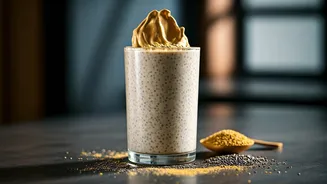
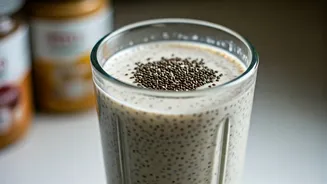
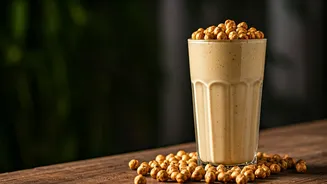
If savoury isn't your preference, sattu is versatile enough to be made into a sweet (meetha) shake. Instead of salt and spices, mix the sattu powder with milk (dairy or plant-based) or water and sweeten it with jaggery or honey. [4, 10] For an even bigger nutritional and energy boost, you can blend it into a smoothie. Combine sattu with milk, a banana, a few dates, and a handful of nuts like almonds for a complete, protein-packed meal replacement or post-workout recovery drink. [5, 12] This modern take transforms the humble sattu into a delicious, thick shake that can rival any expensive café smoothie.