


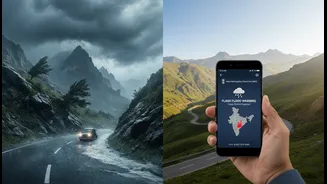




The Allure and the Danger
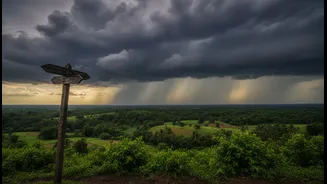
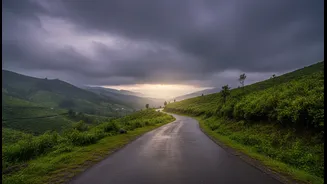
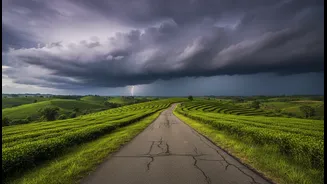
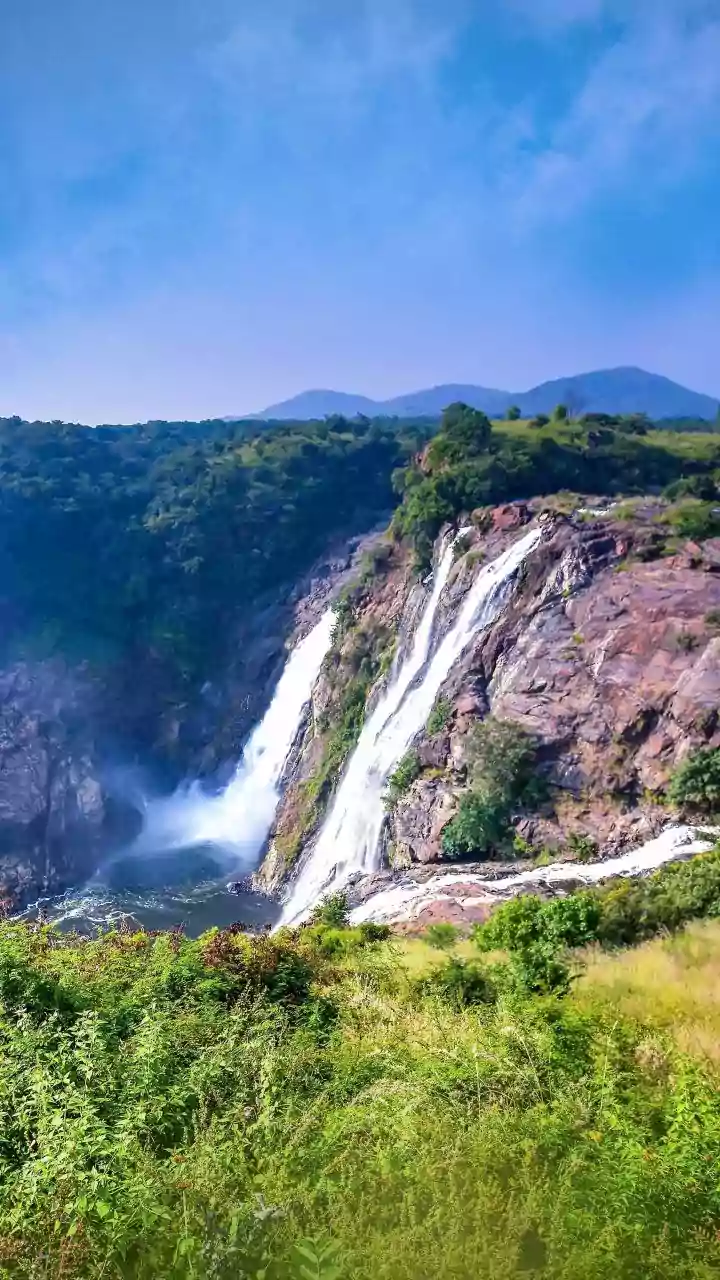
From the emerald tea gardens of Munnar to the dramatic ghats of Lonavala, the monsoon transforms India into a paradise. Waterfalls roar back to life, valleys are swathed in green, and the air is fresh. It's no wonder so many of us feel the pull to go
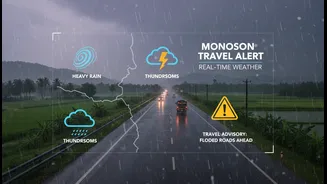
on a road trip or a weekend getaway. But this enchanting season also brings heightened risks. Slippery roads, travel delays, flash floods, and landslides are serious concerns. Recent incidents, like tourists being evacuated from a flooded Lonavala or landslides in Kerala and Karnataka, serve as stark reminders that the monsoon's power must be respected. Chasing those stunning rainy views without checking official advisories is a gamble you don’t want to take.
Decoding IMD's Colour-Coded Alerts
The India Meteorological Department (IMD) issues colour-coded warnings to help citizens prepare for severe weather. Understanding these is the first step to safe travel. Green (No Warning): This means weather conditions are normal and no advisory is in place. It's all clear for your plans. Yellow (Be Aware): A yellow alert indicates that weather conditions could worsen. It’s a heads-up to stay updated. While not a reason to cancel plans outright, it signals the need for caution and awareness. Orange (Be Prepared): This is a serious alert. An orange warning is issued when very heavy rainfall is expected (between 115.6 mm and 204.4 mm in 24 hours), which can lead to traffic disruptions, waterlogging, and an increased risk of landslides. It’s wise to avoid travel to affected areas, especially hill stations, during an orange alert. Red (Take Action): A red alert is the highest level of warning and indicates a forecast of extremely heavy rainfall (over 204.5 mm in 24 hours). This signifies a significant threat to life and property. All non-essential travel should be cancelled or postponed. Authorities may issue evacuation orders in vulnerable areas.
Where to Find Reliable Information
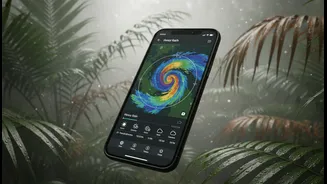
Your phone's default weather app might show a chance of rain, but for specific, actionable warnings, it's best to use official sources. The IMD's alerts are far more detailed and crucial for safety. You can access them through: Mausam App: This is the IMD's official mobile app, providing forecasts, radar images, and proactive warnings for severe weather events. Meghdoot App: While aimed at farmers, this app provides useful weather-based information. Damini App: This app specifically provides alerts for lightning strikes, which are a major hazard during thunderstorms. UMANG App: This government multi-service app also integrates IMD forecasts and warnings. * Official Website: The IMD website (mausam.imd.gov.in) is the primary source for all detailed bulletins and forecasts.
A Smart Traveller's Monsoon Checklist
Being prepared doesn't mean staying home. It means travelling with intelligence and foresight. Here are some essential tips for your monsoon adventure: Plan with Flexibility: Monsoon travel can involve delays. Build buffer days into your itinerary and have backup plans. Pack Right: Opt for quick-drying synthetic clothes over cotton and jeans. Carry a reliable raincoat, an umbrella, and waterproof footwear with a good grip. Protect Your Gear: Use waterproof bags or covers for your luggage, electronics, and important documents. Check Local Conditions: Before heading out for the day, ask your hotel staff about local road conditions and any specific warnings for the area. Authorities in places like the hills around Pune and Hassan have recently issued warnings and even banned trekking near waterfalls due to risks. Drive Cautiously: If you're on a road trip, drive slowly on wet roads, maintain a safe distance from other vehicles, and never drive through flooded areas. Stay Healthy: Avoid street food that has been exposed to the elements and drink only bottled or purified water to prevent water-borne illnesses.