



A New Era of High-Speed Access
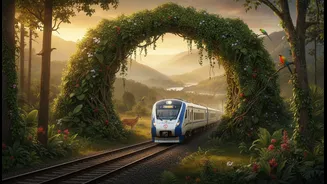
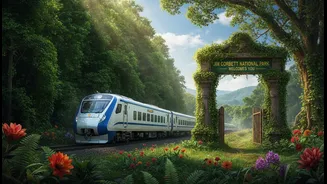
The Vande Bharat Express, India's first indigenous semi-high-speed train, has been a game-changer for passenger travel. Known for its modern amenities, faster acceleration, and reduced journey times, the service is connecting major urban centres with
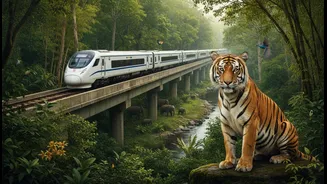
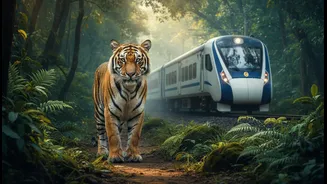
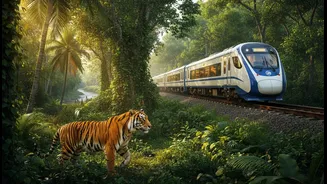
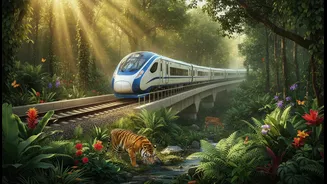
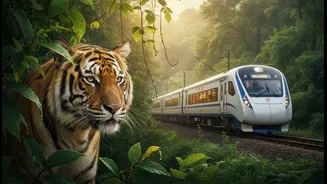
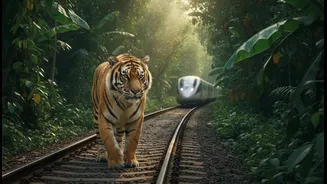
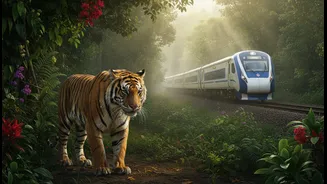
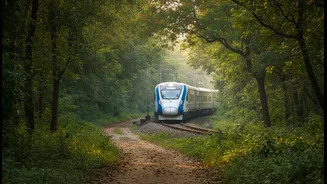
unprecedented efficiency. But an unintended, welcome consequence of this network's growth is its proximity to the wild. Several new and existing routes now terminate at railway stations that serve as gateways to renowned national parks and tiger reserves, making spontaneous weekend getaways a real possibility for millions. For many, this eliminates the need for complex multi-leg journeys or long, tiring road trips, which are often subject to delays, especially during monsoon season.
From Urban Jungle to Ranthambore's Tigers
Perhaps the most prominent example is the improved access to Ranthambore National Park in Rajasthan. The Vande Bharat service on the Delhi-Ajmer route includes a stop at Sawai Madhopur Junction, the main railhead for the park. The station is located just 10-12 kilometres from the park's main entrance, a short 20 to 30-minute taxi ride away. This connectivity effectively slashes travel time, making it feasible for someone in Delhi to board a morning train and be on an afternoon safari the very same day. Ranthambore is famed for its high density of Bengal tigers, which are often spotted near its picturesque lakes and the historic Ranthambore Fort, a UNESCO World Heritage Site.
Southern Sanctuaries and Western Lions
The trend is not confined to the north. In the south, the Chennai-Mysuru Vande Bharat service brings travellers within a couple of hours' drive of Bandipur National Park. Situated in Karnataka and a key part of the Nilgiri Biosphere Reserve, Bandipur is home to a significant population of tigers, Asian elephants, leopards, and over 200 bird species. After arriving in Mysuru, a scenic 80-kilometre road journey completes the trip. Similarly, in Gujarat, the Sabarmati-Veraval Vande Bharat Express makes Gir National Park, the last remaining natural habitat of the Asiatic lion, more accessible. The nearest station, Veraval, is only about 45 kilometres by road from the main safari gate at Sasan Gir, simplifying the journey to see these majestic animals.
The Double-Edged Sword of Convenience
This newfound accessibility is a significant boon for domestic tourism, promising to boost local economies that depend on visitor footfall, from hotels and restaurants to safari operators and guides. It allows more Indians to experience the country's incredible biodiversity firsthand, which can foster a greater appreciation for conservation. However, this convenience is a double-edged sword. The surge in tourist numbers, if not managed properly, could place immense strain on the fragile ecosystems of these parks. Increased foot traffic, vehicle pollution, and the demand for resources can lead to over-tourism, disrupting wildlife and undermining the very natural beauty that attracts visitors. Conservationists worry that a rapid, unregulated boom could harm the parks in the long run.
The Path to Sustainable Exploration
The key to leveraging this new connectivity lies in sustainable and responsible tourism. While the trains offer speed and comfort, the final leg of the journey and the experience within the park require careful planning. Travellers should book safaris and accommodations well in advance, especially during peak seasons. It's crucial to choose eco-conscious lodges and tour operators that adhere to park regulations and contribute to local community welfare. As tourists, the responsibility falls on us to minimise our impact: stick to designated trails, do not litter, maintain a respectful distance from wildlife, and follow the guidance of forest officials. The goal is to ensure that these high-speed getaways contribute positively, fostering a model of tourism that supports both local communities and the preservation of India's natural heritage.