




For anyone managing their blood sugar, the dessert menu can feel like a minefield. But what if the choice wasn't just about denial? A new wave of sweets focuses on smart formulation and portion control, not deprivation.
The Sweet Dilemma
Enjoying a sweet treat is one of
life's simple pleasures, but for a growing number of health-conscious individuals and those managing conditions like diabetes, it comes with a side of concern. The primary worry is the rapid spike in blood sugar that traditional desserts, laden with refined sugar and white flour, can cause. This often leads to a frustrating cycle of cravings and energy crashes. For years, the solution seemed to be bland, unsatisfying 'sugar-free' options that felt like a poor substitute for the real thing. However, the conversation is shifting from total avoidance to mindful indulgence, thanks to a better understanding of how ingredients and portion sizes work together.
What 'Blood Sugar-Friendly' Really Means
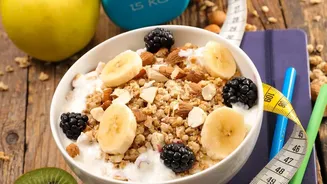
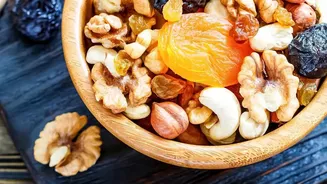
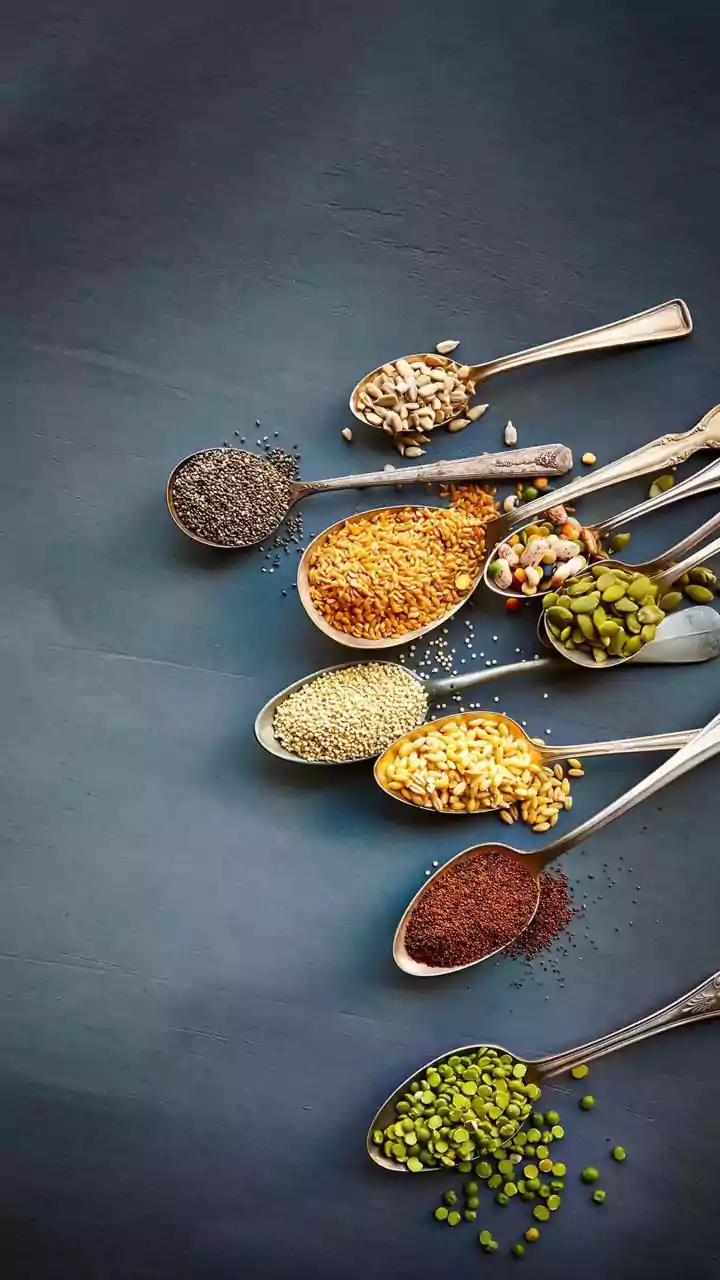
The term 'blood sugar-friendly' goes far beyond just removing table sugar. It’s about creating a treat that has a gentler impact on the body's glucose levels. This is achieved by focusing on the glycaemic index (GI), a scale that ranks foods on how quickly they raise blood glucose. These modern sweets often replace high-GI sugar (GI 65) with low or zero-GI alternatives like stevia, monk fruit, and erythritol. Furthermore, they incorporate ingredients that slow down digestion and sugar absorption. Adding fibre, protein, and healthy fats from sources like almond flour, whole oats, nuts, and even beans can significantly flatten the blood sugar curve. This creates a more stable energy release, preventing the sharp peaks and subsequent crashes associated with conventional sweets.
Familiar Flavours, Reimagined Portions
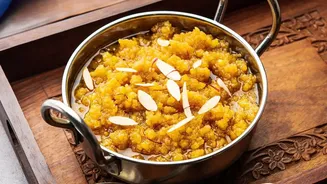
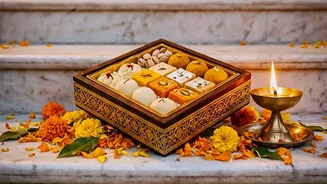
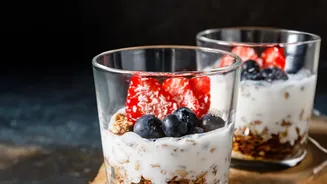
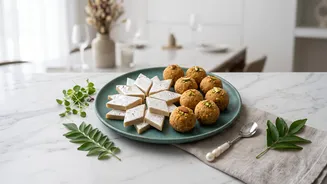
The most encouraging aspect of this trend is the focus on flavour and satisfaction. The goal isn't to invent strange-tasting health foods, but to deliver the authentic, comforting taste of favourites—from Kaju Katli to chocolate brownies—in a healthier format. A key part of this strategy is portion control. Many brands now offer bite-sized sweets or individually wrapped portions, which provide a psychological stopgap and make it easier to savour a treat without overindulging. A smaller, well-formulated dessert can satisfy a craving just as effectively as a larger, sugar-loaded one, helping to maintain stable blood sugar levels and support weight management goals. The focus is on quality over quantity, allowing for guilt-free enjoyment.
A Smart Shopper's Guide to Sweets
When navigating the world of blood sugar-conscious sweets, reading the label is crucial. Don't be fooled by appealing frontofpack claims like 'no added sugar', as ingredients like date syrup or honey can still have a high glycaemic index. Look for the specific type of sweetener used; stevia, monk fruit, and erythritol are among the best choices for minimal blood sugar impact. Check the ingredient list for sources of fibre and protein, such as nut flours, whole grains, or seeds, which are indicators of a more balanced treat. Be wary of hidden high GI ingredients like maltodextrin. In India, a growing number of brands are transparent about their formulations, and some even provide GI certification from labs, offering an extra layer of trust for consumers.