





The Visa-Free Advantage
The biggest initial hurdle for international travel—the visa process—is currently removed for Indian passport holders visiting Thailand for tourism. As of late August and into September 2026, India is on Thailand's visa exemption list, allowing for a stay
of up to 30 days without needing to apply for a visa beforehand. This policy not only saves time and paperwork but also eliminates visa fees, which can be a significant saving for a budget trip. This visa-free status makes spontaneous, short trips—a travel style favoured by many young Indians—much more feasible. Instead of complex planning, you can focus your energy and money on the trip itself.
Your Biggest Hurdle: Affordable Flights
The most significant and variable cost of your trip will be the flight. The ₹30,000 budget is ambitious, and succeeding depends almost entirely on securing a cheap flight. Round-trip fares from major Indian cities like Kolkata, Chennai, or Delhi to Bangkok can range from ₹12,000 to ₹20,000 on budget airlines, but this requires strategic planning. To get the best prices, you must book at least 6-8 weeks in advance. Travelling during the shoulder seasons (like April-June or September-October) can also dramatically lower flight costs compared to the peak tourist months of December and January. Setting up price alerts on travel portals is a must for any budget-conscious traveller.
Choosing Your Budget Island Paradise
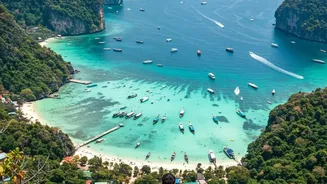
Not all Thai islands are created equal when it comes to cost. While Phuket and Koh Samui are famous, they are also among the most expensive. For a trip under ₹30,000, you need to look towards more budget-friendly options. Koh Chang is an excellent choice; it's one of the cheapest islands, less crowded, and accessible from Bangkok via a bus and ferry. Koh Lanta offers a laid-back vibe with affordable accommodation, while Koh Samet is a good option for a quick island fix due to its proximity to Bangkok. These islands provide the stunning beaches and clear waters you're looking for without the premium price tag of their more commercialised counterparts.
Sleep Soundly Without Spending Much
Your next biggest expense is accommodation, but Thailand is famous for its vast network of affordable hostels and guesthouses, especially popular with Gen Z backpackers. On budget-friendly islands like Koh Chang or Koh Lanta, you can find clean and social hostel dorm beds for as little as ₹500-₹800 per night. Even a basic private room in a guesthouse might only set you back ₹1,500-₹2,000. These places are not just about saving money; they are fantastic social hubs for meeting other travellers. Booking platforms and apps can help you find deals, but sometimes the best prices are found by simply walking in, especially during the off-season.
Eating Like Royalty on a Backpacker's Budget
One of Thailand's greatest gifts to the budget traveller is its food culture. You can eat incredibly well for very little money. The key is to embrace street food and local markets. A delicious and filling meal of Pad Thai, fried rice, or noodle soup from a street vendor can cost as little as ₹100-₹150. For a daily food budget of ₹600-₹1,000, you can enjoy three full meals, snacks, and drinks. Another pro-tip for saving money is utilizing the 7-Eleven stores, which are ubiquitous. They offer a surprising variety of cheap and tasty ready-to-eat meals, snacks, and drinks that are a staple for many backpackers.
A Sample 6-Day, ₹30,000 Itinerary
So, how does it all add up? Here's a possible breakdown for a six-day trip: Flights: ₹15,000 (booked well in advance during a sale). Accommodation: ₹4,800 (6 nights in a hostel at ₹800/night). Food & Drinks: ₹4,200 (₹700 per day for street food and water). Local Transport: ₹2,500 (bus/ferry to an island like Koh Chang, plus local scooter rental or songthaews). * Activities & Miscellaneous: ₹3,500 (snorkel rental, national park entry fees, a couple of beers, and a buffer). This brings the total to just under ₹30,000. It requires discipline—sticking to street food, choosing free activities like beach hopping and hiking over paid tours, and resisting expensive splurges. But as this breakdown shows, it is entirely achievable with careful planning.