



Light's Cosmic Speed Limit
The heart of this incredible idea is the speed of light. While it’s the fastest thing in the universe, it’s not instantaneous. Light travels at a staggering 2,99,792 kilometres per second. That sounds fast, and it is, but space is unimaginably vast. To
measure these distances, astronomers use the 'light-year'—the distance light travels in one year, which is about 9.5 trillion kilometres. So, when we say a star is 10 light-years away, we mean the light we see tonight began its journey from that star 10 years ago. In essence, every star is a time capsule, and our eyes are the key to unlocking it.
Our Closest Cosmic Neighbours
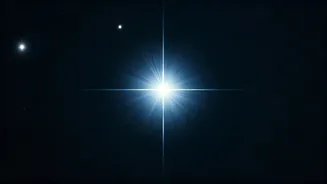
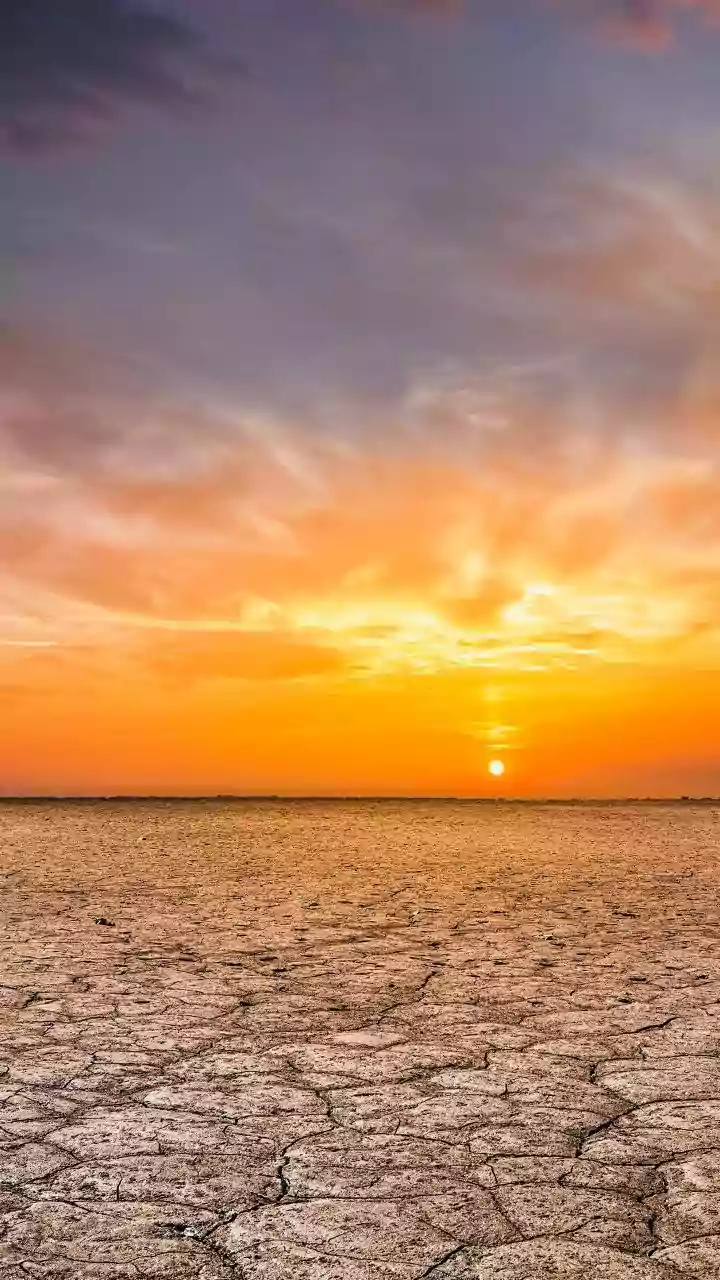
Let’s start close to home. The Sun, our own star, is about 150 million kilometres away. Its light takes roughly 8 minutes and 20 seconds to reach Earth. So, if the Sun were to suddenly vanish, we wouldn’t know about it for over eight minutes. The next closest star system is Alpha Centauri, visible from the Southern Hemisphere. It’s about 4.3 light-years away. The light you see from Alpha Centauri tonight left when you might have been starting a new job or finishing college four years ago. The brightest star in our night sky, Sirius (or 'Dog Star'), is about 8.6 light-years away. Its light is a message from the late 2010s, a time capsule from a world just before the pandemic.
Peering Back Through Centuries
This is where the headline really comes to life. Take Polaris, the North Star, a celestial landmark for travellers for generations. It sits approximately 433 light-years from Earth. The light we see from Polaris tonight started its journey around the year 1591. While that light was travelling through space, the Mughal emperor Akbar was ruling over much of India, and construction on Hyderabad's Charminar was just being completed. The star isn't just a point of light; it’s a photon-powered postcard from a completely different era of human history. Every time you find the North Star, you’re looking at light that is older than the Taj Mahal.
The Ghost of a Star
The concept gets even more dramatic with stars that are nearing the end of their lives. Consider Betelgeuse, the bright reddish star in the constellation of Orion. It’s a red supergiant, a type of star that ends its life in a spectacular explosion called a supernova. Astronomers know it could go supernova 'any day now' in cosmic terms—which could mean tomorrow or 100,000 years from now. But Betelgeuse is about 640 light-years away. This means if it exploded the day you were born, we still wouldn’t see it happen for hundreds more years. For all we know, the star we see as Betelgeuse might not even exist anymore. We are watching a ghost, waiting for news of its death that is already centuries old.
A Glimpse of Another Universe
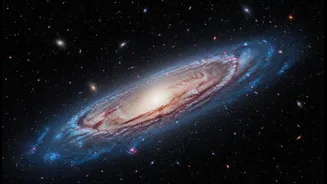
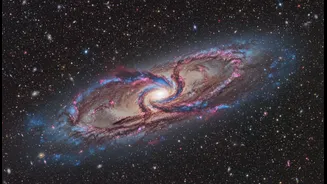
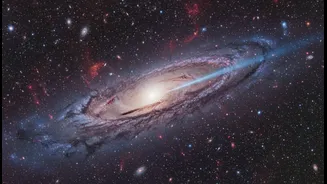
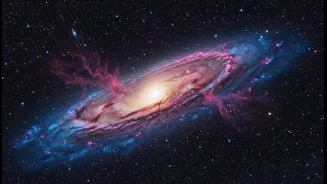
The scale gets truly mind-bending when we look beyond our own Milky Way galaxy. The Andromeda Galaxy is our closest major galactic neighbour. It’s visible to the naked eye as a faint, fuzzy patch of light on a very dark, clear night. But that faint smudge is 2.5 million light-years away. The light reaching your eyes tonight left Andromeda long before Homo sapiens even existed. Our earliest human ancestors were just beginning to walk the Earth in Africa when those photons began their immense journey across intergalactic space. It's the oldest thing most humans will ever see with their own eyes.