






What 'Farm-to-Fork' Really Means
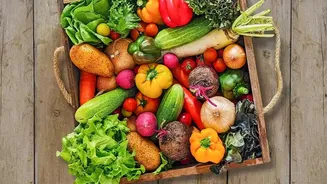
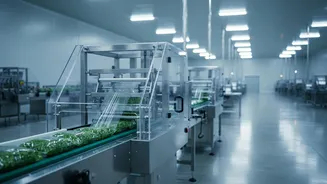
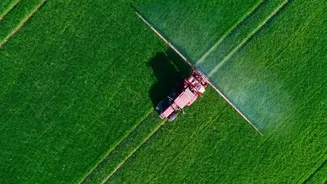
The term 'farm-to-fork' describes a system that monitors the entire journey of food—from its origin on the farm, through processing and distribution, and all the way to the consumer. The goal is to create a transparent and traceable supply chain. Instead
of only checking the final product, this approach involves implementing safety and quality controls at every single step. This holistic view is critical for quickly identifying the source of contamination or adulteration, preventing widespread outbreaks of foodborne illnesses, and ensuring that the food on your plate is genuinely safe to eat.
Inside the New Safety Proposal
The government think-tank Niti Aayog is spearheading a major overhaul of India's food safety framework. A high-level meeting was recently held to discuss strengthening surveillance and enforcement. The core of the proposal is creating a 'farm-to-fork' traceability system. This would use technology to monitor chemical residues right from the agricultural production stage and detect contamination throughout the supply chain, including at supplier, distributor, and retail points. Other key measures being discussed include a significant expansion of the country's network of accredited food-testing laboratories, more intensive on-site inspections, and even the deployment of mobile testing vans for real-time checks at markets. Global best practices are being studied to see how they can be adapted for India's needs.
A Safer Plate for the Consumer
For the average person, the benefits could be substantial. The primary aim is to significantly reduce the incidence of food-borne diseases, which are estimated to affect millions in India annually. With a robust traceability system, consumers would have more confidence in the quality and safety of their food. If a problem does arise, authorities could pinpoint and recall contaminated batches much faster. The proposal also includes stricter enforcement and enhanced coordination between various government agencies, which could lead to quicker resolution of consumer complaints and a more responsive food safety ecosystem overall.
Challenges for Farmers and Businesses
While the proposal promises a safer future, its implementation presents real challenges. For India's millions of small and marginal farmers, the cost and technical know-how required for a digital traceability system could be a significant burden. Likewise, small vendors and food businesses may struggle to comply with more intensive inspection regimes. The government is reportedly considering linking access to credit with food safety compliance scores, which could act as a powerful incentive for businesses to adopt stricter controls but may also penalise smaller players who lack resources. Striking a balance between raising standards and ensuring the new framework doesn't hurt the livelihoods of small-scale producers will be a critical challenge for policymakers.
The Road Ahead
This initiative comes as India is also negotiating a Free Trade Agreement (FTA) with the European Union, a market with famously strict food safety standards. Experts argue that strengthening India's domestic food safety regime is crucial not only for public health but also to boost agricultural exports by meeting global standards. The discussions led by Niti Aayog are currently in the policy formulation stage, where suggestions from various stakeholders are being gathered. The final recommendations will shape policy interventions aimed at creating a food system that is safer for consumers and more competitive on the world stage. The success of this ambitious plan will hinge on how well it is implemented on the ground, ensuring that all parts of the vast and complex food chain are brought along.