



The Science of Poor Night-Time Rain Visibility
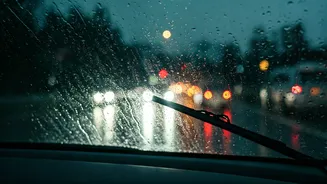
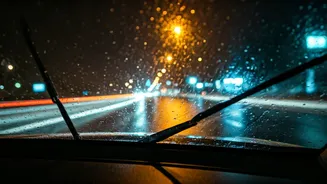
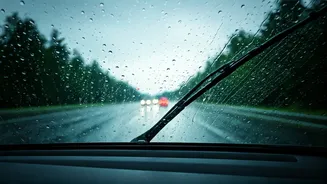
Driving in the rain at night combines two challenging conditions, each compounding the other's dangers. The primary issue is how water interacts with light. Raindrops on your windshield refract and scatter light, blurring your view and distorting the road
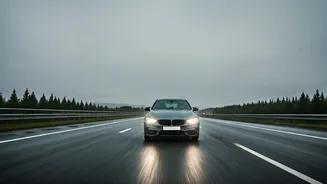
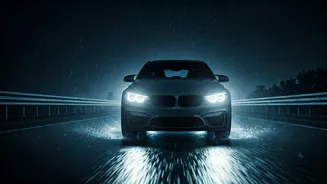
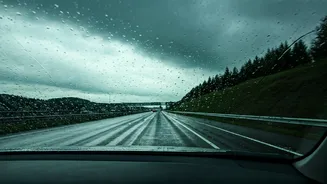
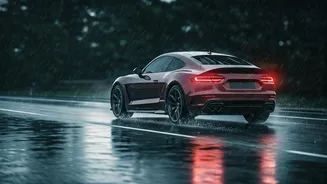
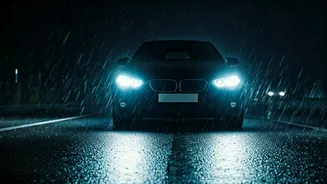
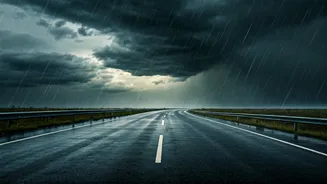
ahead. [2, 6] More significantly, wet road surfaces transform from rough, light-diffusing textures into smooth, mirror-like planes. [15] On a dry night, your headlights hit the road and scatter light in all directions, including back to your eyes, which illuminates your path. [8] When the road is wet, this changes to 'specular reflection'. Instead of scattering, the light from your headlamps reflects forward, away from you, leaving the road ahead looking dark and hard to see. [8, 14, 15] Simultaneously, the glare from oncoming traffic doubles, as their headlights reflect off both their car and the wet road surface directly into your eyes. [8]
Prepare Your Vehicle Before You Drive
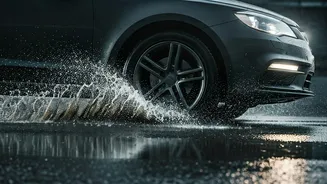
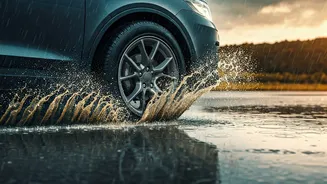
Proactive maintenance is your first line of defence. Your windshield wipers are critical; replace them if they leave streaks or skip across the glass. [5] A clean windshield, inside and out, is also essential, as dirt and smudges can worsen glare and fogging. [9] Consider applying a water-repellent treatment to your windshield to help rain bead up and roll off more easily. [5, 9] Ensure all your vehicle's lights—headlights, taillights, and brake lights—are clean and functioning correctly. [5, 11] Finally, check your tyre tread. Worn tyres dramatically increase the risk of hydroplaning, where a layer of water builds up between the tyre and the road, causing a loss of traction and control. [9, 12, 19]
Adjust Your Driving, Not Just Your Wipers
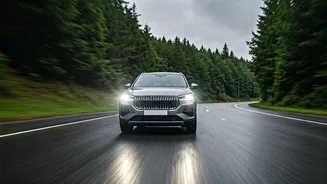
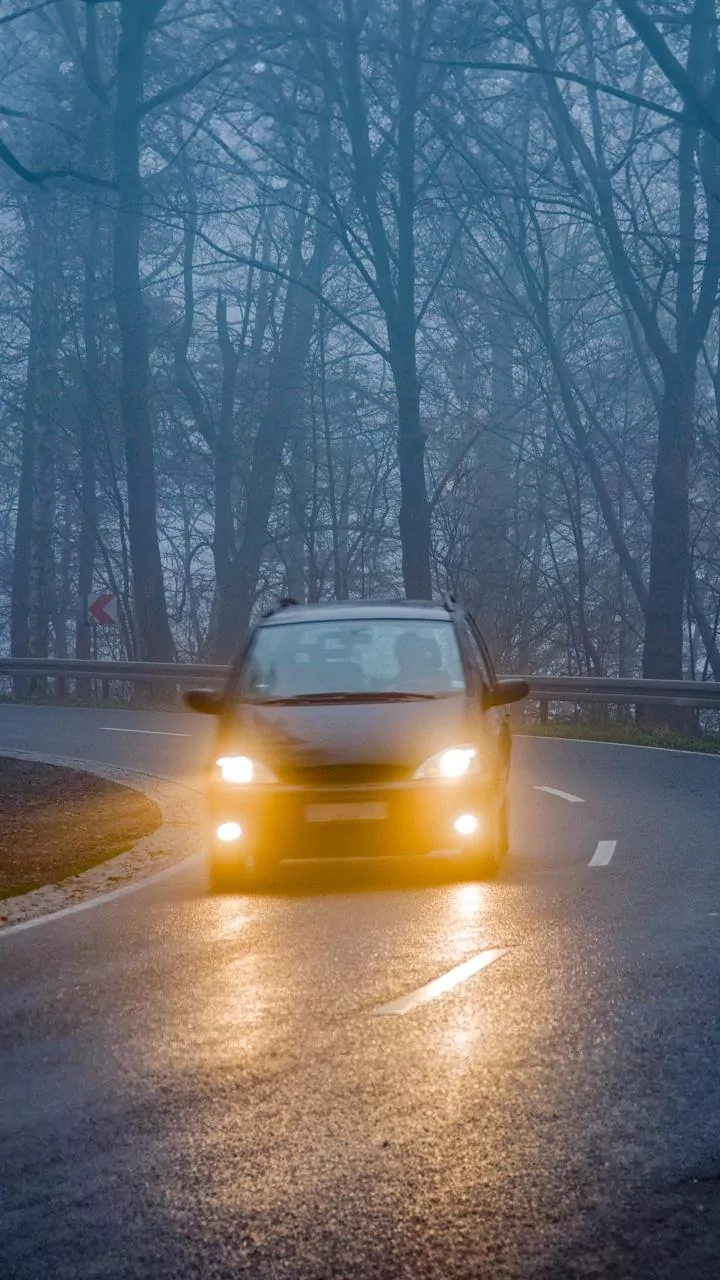
The single most important adjustment is to slow down. [3, 4] Posted speed limits are for ideal, dry conditions. Reducing your speed gives you more time to react and reduces the chances of hydroplaning. [12] Increase your following distance from the car in front of you to at least 4-6 seconds; stopping distances are longer on wet roads. [5, 9, 11] Turn on your low-beam headlights, even in light rain, to make yourself more visible to others. [2, 3, 12] Never use high beams in rain or fog, as the light will reflect off the water droplets and cause more glare, further reducing your own visibility. [2, 7, 13] Be especially wary of the spray from large trucks and buses, which can momentarily blind you. [2, 9]
Managing Glare and Interior Fog
To combat the intense glare from other vehicles, avoid looking directly at oncoming headlights. Instead, focus your gaze on the white line on the right side of the road to maintain your position. [13] Dimming your dashboard lights can also help improve your night vision by reducing competing light sources inside the car. [10, 13] Rain increases humidity, which causes your windows to fog up from the inside. [2] Use your car's defroster and air conditioning to clear the condensation. The AC system helps by removing moisture from the air inside the cabin, clearing the glass much faster. [7, 9]
Know When to Pull Over
There are times when the conditions become too hazardous to continue driving safely. If the rain is so heavy that your wipers can't keep up or you cannot see lane markings, road signs, or other vehicles, it's time to stop. [6] Find a safe place to pull completely off the road, like a rest stop or a well-lit car park. Avoid stopping on the shoulder of the highway if possible, as your vehicle could be a hazard to other drivers with equally poor visibility. Turn on your hazard lights and wait for the worst of the storm to pass. Postponing your trip is always the safest option when faced with extreme weather. [11, 12]