




Cosmic Celebration for a Milestone
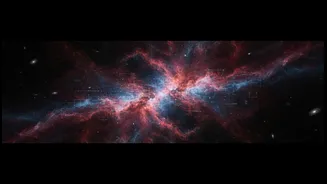
To mark the United States' 250th anniversary on July 4, 2026, NASA unveiled a special gallery of deep-space portraits, all presented in a patriotic palette. This wasn't just one picture, but a curated set featuring some of the universe's most dramatic
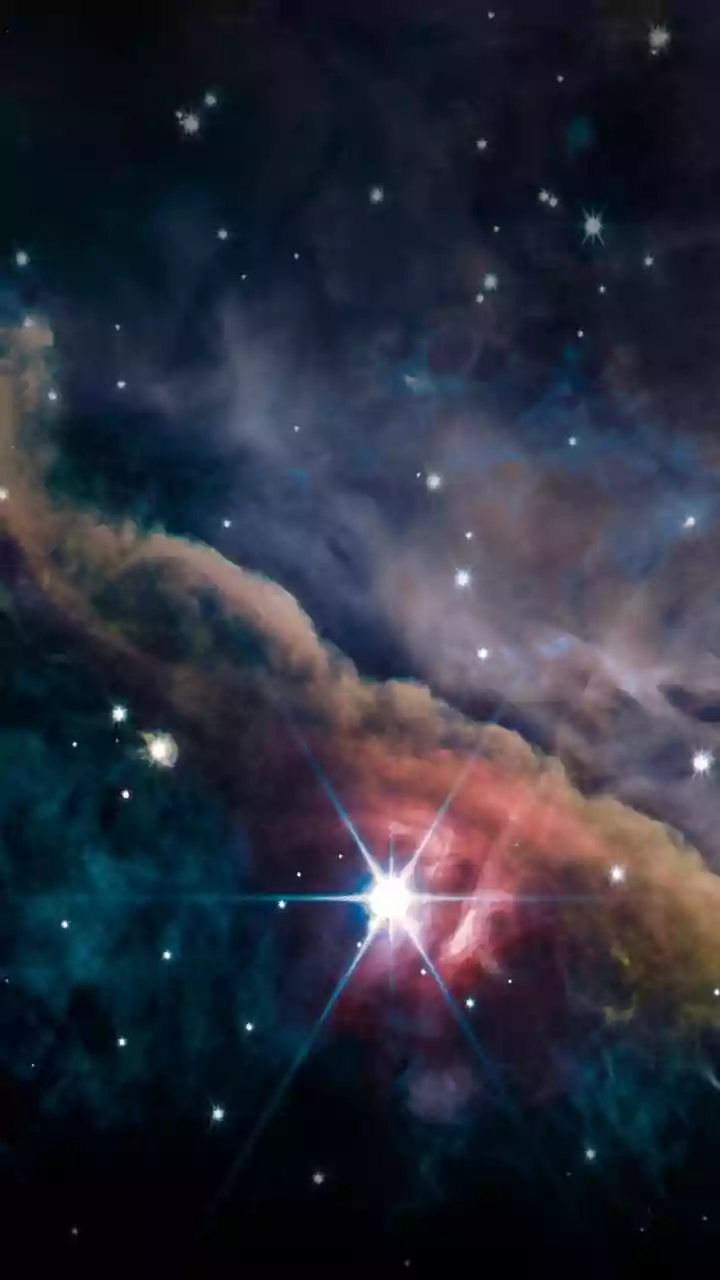
phenomena. The collection includes the ghostly remains of an exploded star known as Cassiopeia A, a brilliant star-forming nebula called NGC 3603, the swirling spiral galaxy Messier 94, and a distant galaxy cluster. In a separate but related release, the Hubble Space Telescope team shared a glittering image of the ancient globular cluster NGC 6426, its stars sparkling like red, white, and blue jewels. This coordinated release from multiple observatories created a wave of visually stunning content that quickly spread across digital platforms, celebrating a national milestone with cosmic grandeur.
The Science Behind the Spectacle
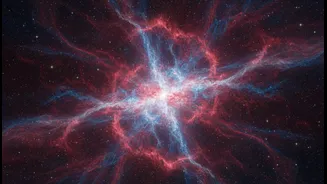
While the colors might seem perfectly chosen for a holiday, they are the result of a scientific process called representative-color imaging. Our eyes can only see a tiny fraction of the light that exists in the universe. Telescopes like NASA's Chandra X-ray Observatory, the James Webb Space Telescope, and the Hubble Space Telescope can detect light in wavelengths invisible to us, such as X-rays and infrared. To make this data visible, scientists assign colors to different wavelengths or elements. For example, in the breathtaking image of the Cassiopeia A supernova remnant, X-ray data from Chandra revealing elements like iron and calcium is shown in blue, while infrared data from Webb highlighting cosmic dust is colored red and white. The result is not a 'true color' photo but a data visualization that is both scientifically informative and artistically breathtaking, allowing us to see the unseen.
A Gallery of Galactic Wonders
Each image in the set tells a unique story about our universe. Cassiopeia A is the remnant of a massive star that exploded around 340 years ago from our perspective on Earth, with its expanding shell of debris stretching across 10 light-years. NGC 3603 is one of the most massive young star clusters in the Milky Way, a bustling stellar nursery where new suns are born. The spiral galaxy Messier 94, located about 16 million light-years away, is notable for its bright inner ring, a region of intense star formation. Another image features the galaxy cluster ZwCl 0024+1652, where vast clouds of superheated gas, shown in red, are held together by the immense gravity of dark matter, depicted in blue from Hubble data. Together, these objects provide a snapshot of the universe in its various stages of life, from birth to explosive death and the quiet gathering of galaxies.
More Than Just a Pretty Picture
This viral image set is part of a long and successful tradition at NASA of using powerful visuals to engage the public and inspire a passion for exploration. From the first televised images of the moon landing to the iconic 'Pillars of Creation' captured by Hubble, NASA has always understood that a single picture can convey the wonder of space exploration more effectively than pages of data. These carefully crafted images do more than just look good on a screen; they make abstract scientific concepts tangible. They serve as ambassadors for the science being conducted light-years away, reminding us of the immense and beautiful universe that teams of researchers are working to understand. By linking these cosmic marvels to a national celebration, NASA connects its mission of discovery to a broader cultural story of human curiosity and achievement.