





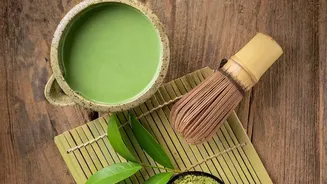
The Case for a Coffee Alternative
For many, the day doesn't start until a cup of coffee has been consumed. Iced coffee, in particular, offers a refreshing jolt of energy, a familiar ritual that powers us through demanding schedules. But this reliance often comes with a downside. The quick
spike in energy from caffeine can lead to an equally rapid crash, leaving you feeling depleted. Moreover, coffee's acidity can be harsh on some stomachs, and the added sugars in many café-style iced coffees can turn a simple pick-me-up into a calorie-dense indulgence. It's this combination of jitters, crashes, and digestive concerns that has led many to seek out smoother, gentler alternatives that still deliver on energy and focus.
Matcha: The Calm and Focused Energiser
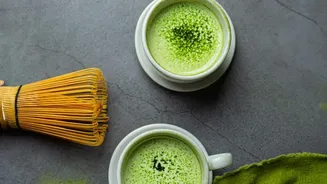
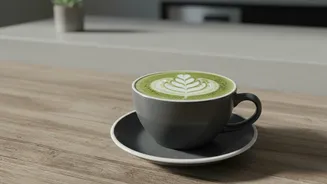
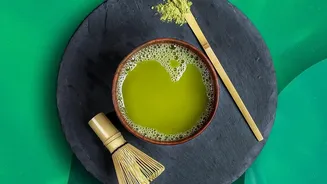
Enter matcha, the finely ground powder of specially grown green tea leaves with deep roots in Japanese tradition. Its popularity is surging in urban Indian cafes, where it's hailed as the ultimate coffee substitute. The secret to matcha's magic lies in its unique combination of moderate caffeine and a rare amino acid called L-theanine. While the caffeine provides a stimulant effect, L-theanine promotes a state of calm, relaxed alertness. The result is a sustained energy boost without the anxiety or jitters often associated with coffee. This 'calm-alert' state makes it a favourite for productive work sessions. With a distinct earthy, umami flavour, an iced matcha latte offers a complex and satisfying experience that is both energising and centering.
Moringa: The Caffeine-Free Powerhouse
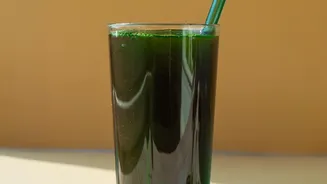
For those looking to ditch stimulants entirely, moringa is emerging as a formidable green contender. Derived from the leaves of the Moringa oleifera tree, often called the 'drumstick tree' and native to India, this powder is completely caffeine-free. Its energy-boosting properties come not from stimulation but from its dense nutritional profile. Moringa is packed with vitamins A and C, iron, calcium, and protein, offering a nourishing lift rather than a nervous system jolt. While matcha offers focused alertness, moringa provides a more subtle, steady stream of energy by supporting the body's metabolic functions. Its flavour is more vegetal and earthy than matcha, often compared to spinach, and it blends well into lattes with a touch of honey or vanilla to soften its taste.
The Green Showdown: Which is Right for You?
Choosing between iced coffee, matcha, and moringa depends entirely on your personal goals and body chemistry. If you need a powerful, immediate stimulant and enjoy the roasted flavour, coffee remains a classic choice. If you're seeking a focused energy lift without the subsequent crash and enjoy a complex, grassy flavour, an iced matcha latte is an excellent swap. A typical serving contains less caffeine than coffee but provides a smoother, longer-lasting effect thanks to L-theanine. If your goal is to reduce caffeine intake while nourishing your body with vitamins and minerals, an iced moringa latte is the ideal choice. It provides a gentle, sustained energy boost rooted in nutrition, making it a great option for any time of day without impacting sleep.
Crafting Your Green Drink at Home
Joining the green drink trend is simple to do at home. For an iced matcha latte, whisk one teaspoon of good-quality matcha powder with a few tablespoons of hot (not boiling) water until a smooth paste forms. Pour this over a glass filled with ice and top with your milk of choice, sweetening if desired. For an iced moringa latte, the process is similar. Whisk a teaspoon of moringa powder with a little hot water to dissolve it, add your preferred sweetener, and pour it over ice and milk. You can also add other flavours like vanilla, mint, or even combine both powders for a superfood-packed beverage.