



A Taste of Home, Miles Away
One of the biggest drivers of this culinary shift is internal migration. As millions of young professionals and students move to metropolitan hubs like Bengaluru, Pune, and Delhi for work and education, they bring their appetites with them. This growing
migrant workforce craves the specific flavours of home, creating a ready market for entrepreneurs to open eateries dedicated to their native food. A Bengali professional in Bengaluru yearns for an authentic 'Kosha Mangsho', and a student from Bihar in Delhi seeks the comfort of 'Litti Chokha'. This has led to the rise of numerous chains and small outlets specialising in cuisines from specific states like Andhra, Maharashtra, Bengal, and the North East, catering directly to this demand for a familiar taste of home.
Beyond Butter Chicken and Dosa
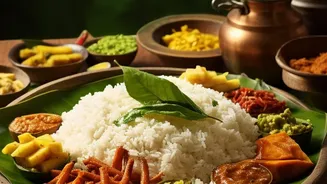
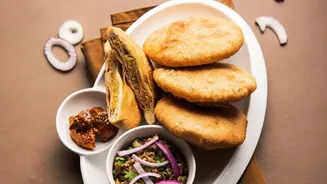
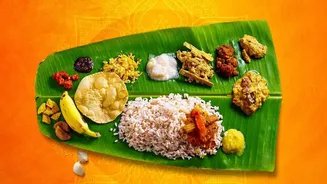
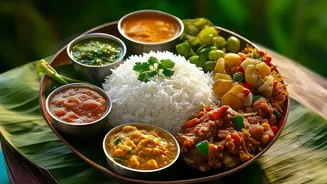
For decades, the perception of Indian food was limited to a few popular dishes. However, the modern Indian diner, especially the younger generation, is more informed and adventurous. They are actively moving beyond the homogenised menus of the past and seeking out hyper-regional specialities. There is a growing curiosity to understand the difference between Malwani, Goan, and Karavali coastal cuisines, or to explore the subtle flavours of Naga smoked pork with bamboo shoots. This desire for specificity and authenticity is a major trend, with reports showing a significant percentage of diners are now actively seeking out regional dining experiences. Restaurants are responding by creating menus that tell a story, highlighting the specific region, ingredients, and traditions behind each dish.
The Power of the Digital Palate
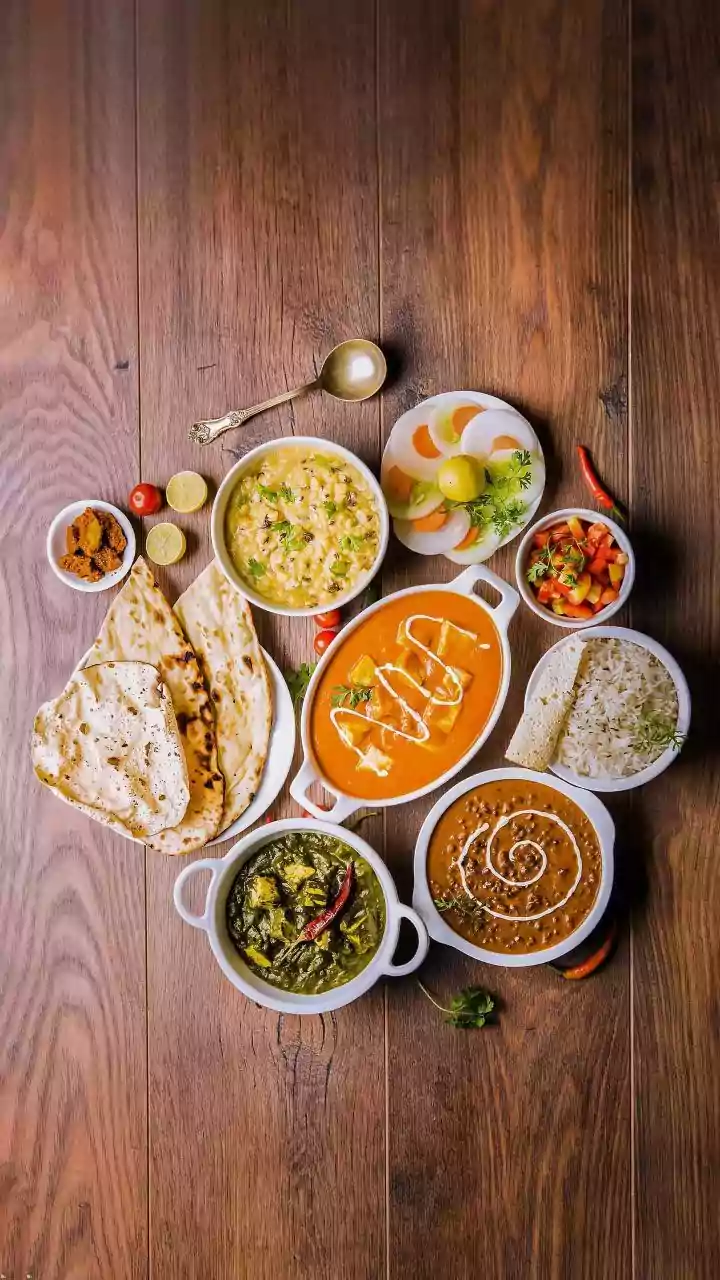
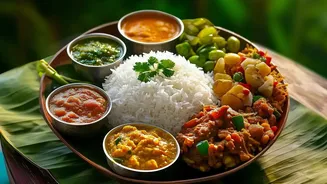
Social media has played a monumental role in this food renaissance. Platforms like Instagram and the rise of food vlogging have turned lesser-known regional dishes into visual stars. A beautifully plated 'Puttu Kadala' from Kerala or a vibrant platter of 'Undhiyu' from Gujarat is no longer just a meal; it's a shareable experience. This digital exposure piques the curiosity of a generation that is constantly online. It introduces them to the sheer diversity of India's culinary heritage, encouraging them to step out of their comfort zones and try something new. The result is a ripple effect: a food blogger's post about a hidden gem serving Assamese food can lead to two-week waiting periods at the establishment.
The New Wave of Food Entrepreneurs
This growing demand is being met by a new generation of chefs and entrepreneurs who are proud of their culinary roots. Rather than assimilating into the dominant restaurant culture, they are confidently showcasing their own heritage. Chefs are rediscovering and redefining their regional cuisines, bringing forgotten recipes, local ingredients, and unique cooking techniques to the forefront in contemporary urban settings. This isn't just happening in fine-dining establishments; it's a movement powered by home chefs and small-scale business owners who see an opportunity to share their culture. They are finding that 'niche' is the new mainstream and that there's a growing appreciation for the incredible diversity that has existed for centuries.