



The Soul of the Celebration
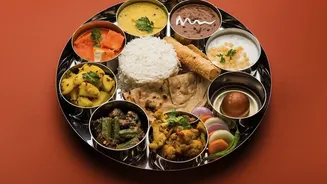
Durga Puja bhog is more than just food; it is a sacred offering, or 'prasad', that symbolises devotion, community, and purity. Traditionally served to devotees at pandals, this vegetarian feast is cooked without onion or garlic. The star of the meal is almost
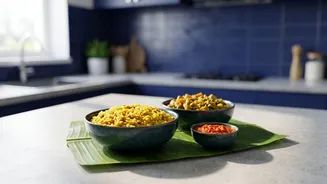
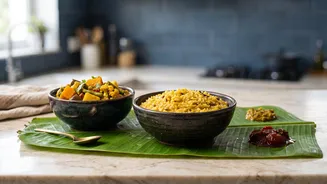
always the khichuri, a flavourful mix of rice and lentils, served alongside a mixed vegetable dish called labra and a sweet chutney. This meal is believed to nourish both the body and soul. Recreating this divine platter at home allows you to bring a piece of the festive spirit and its profound traditions into your own celebration, connecting with loved ones over a meal steeped in cultural significance.
The Star: Bhoger Khichuri
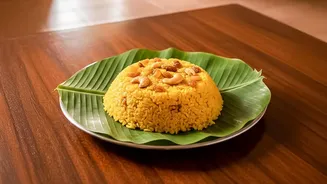
Bhoger Khichuri is the heart of the Durga Puja meal. It’s a one-pot dish of rice and roasted moong dal, simmered with vegetables and aromatic spices. To make it, you'll need Gobindobhog rice (or any short-grain rice) and yellow moong dal in equal parts. First, dry roast the moong dal until it releases a nutty aroma. In a large pot, heat ghee or mustard oil and temper with bay leaves, dried red chillies, cinnamon, cardamom, cloves, and cumin seeds. Sauté vegetables like potatoes and cauliflower florets until lightly golden. Add ginger paste, turmeric, and cumin powder, then stir in the washed rice and roasted dal. Pour in hot water—about four times the volume of the rice and dal—and season with salt. Let it simmer, partially covered, until the rice and dal are soft and the consistency is creamy but not dry. A final spoonful of ghee at the end enhances its rich flavour.
The Perfect Partner: Labra
Labra is a quintessential Bengali mixed-vegetable curry that perfectly complements the khichuri. Its unique taste comes from a medley of seasonal vegetables and the distinct flavour of 'panch phoron'—a Bengali five-spice blend. To prepare labra, you'll need a variety of vegetables like pumpkin, potatoes, brinjal, radish, and cauliflower, all chopped into similar-sized pieces. Heat mustard oil in a kadai and add the panch phoron and dried red chillies. Add the vegetables in stages, starting with the ones that take longer to cook, like potatoes and radish, followed by pumpkin and brinjal. Sauté with turmeric powder and salt. Cover and cook on low heat until the vegetables are tender but still hold their shape. Add a paste of ginger and a little sugar to balance the flavours. The final dish should be a semi-dry mishmash where each vegetable is identifiable.
A Sweet and Tangy Finish: Tomato Chutney
No bhog platter is complete without a side of sweet and tangy chutney. The most common is a Tomato Chutney, often enriched with dates (khejur) and mango leather (aamshotto). This chutney beautifully bridges the gap between the savoury main course and the sweet dessert. To make it, heat mustard oil and temper with panch phoron and a dried red chilli. Add chopped ripe tomatoes, salt, and turmeric, and cook until they turn soft and mushy. Then, add sugar and let it dissolve to form a syrup. Finally, stir in chopped dates, raisins, and pieces of aamshotto. Simmer for a few more minutes until the chutney thickens to a glossy, jam-like consistency. It should be served at room temperature, providing a perfect sweet and sour note to end the meal.