


Venus: The Brilliant Evening Star
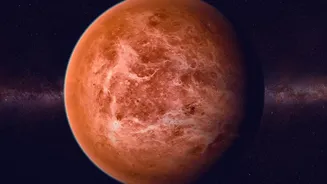
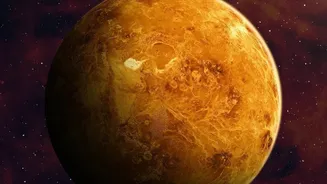
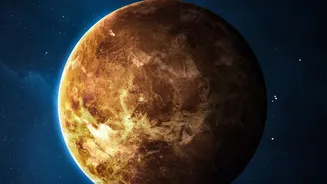
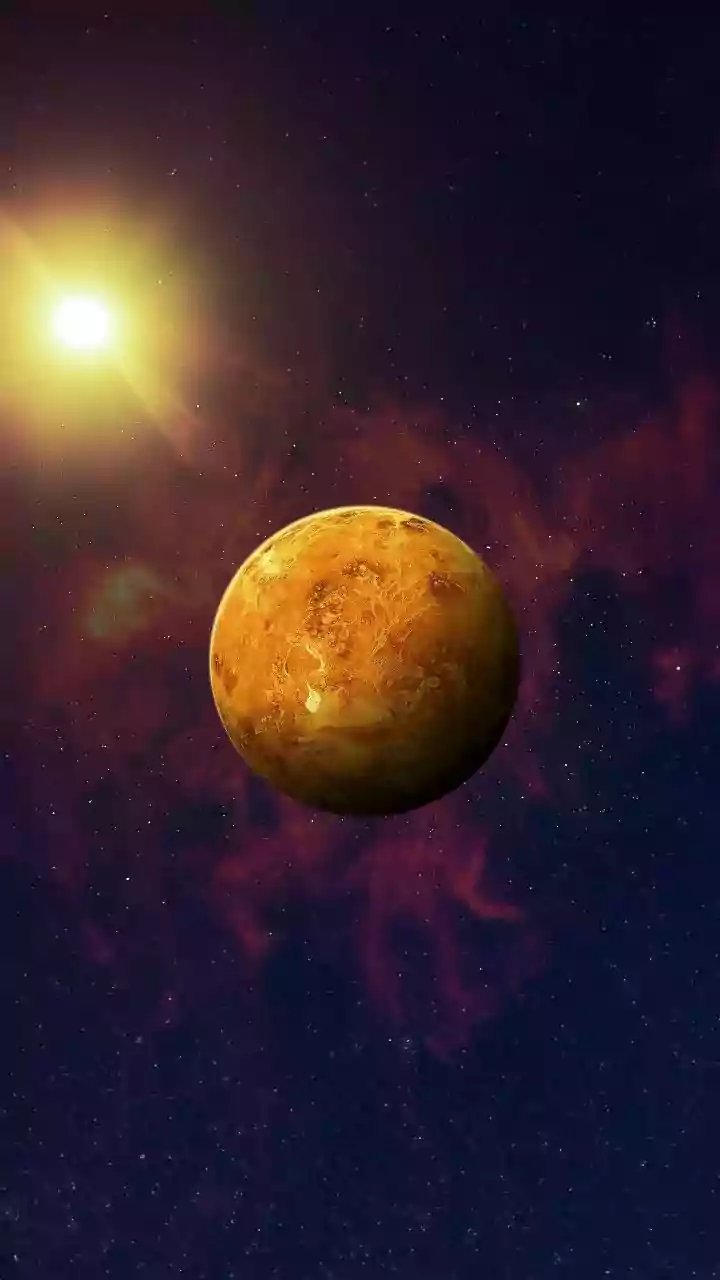
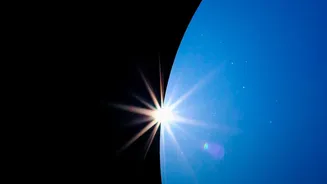
Throughout August, the planet Venus will be impossible to miss. Look to the western sky shortly after sunset, and you will see it shining as a spectacularly bright, star-like object. This is because Venus reaches its greatest eastern elongation on August 15,
meaning it will be at its farthest apparent distance from the sun from our perspective on Earth. This makes it a prominent feature of the early evening. On the evening of August 15, you'll be treated to a beautiful sight as a slender crescent Moon will appear near the brilliant planet. You don't need any special equipment to see Venus; its brightness easily cuts through the evening twilight. Just find a spot with a clear view of the western horizon and enjoy the show.
Perseid Meteor Shower: A Dazzling Display
The highlight for many stargazers this month is the Perseid meteor shower, which is set to peak on the night of August 12-13. The Perseids are known for being one of the most active and reliable meteor showers of the year, capable of producing 50 to 75 meteors per hour under dark skies. Conditions in 2026 are ideal for viewing because the peak coincides with the New Moon. This means the sky will be perfectly dark, without any moonlight to wash out the fainter shooting stars. For the best experience, find a location away from city lights. While the shower peaks after midnight, you can start watching as soon as it gets dark. The meteors originate from debris left by Comet Swift-Tuttle, and they will appear to radiate from the constellation Perseus, but you can see them streaking across any part of the sky.
A Parade of Planets in the Morning
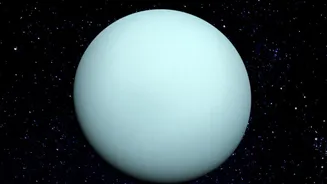
Early risers have a special treat in store around August 12. A six-planet alignment will stretch across the pre-dawn sky, featuring Jupiter, Mercury, Mars, Uranus, Saturn, and Neptune. While spotting all six will be a challenge, several will be visible to the naked eye. Saturn and Mars will be the easiest to find. Jupiter and Mercury will be tougher, sitting low on the eastern horizon in the growing twilight. For Uranus and Neptune, you will likely need a pair of binoculars or a small telescope. The best time to look is in the narrow window before sunrise, giving you a chance to see multiple worlds in a single glance. On August 15, bright Jupiter and Mercury will appear very close together, though they will be low in the sky just before dawn.
The Full Sturgeon Moon and a Lunar Eclipse
August will close with a Full Moon on Friday, August 28. This full moon is popularly known as the Sturgeon Moon, a name originating from Native American traditions related to the abundance of sturgeon fish in lakes during this time of year. But this won't be just any full moon. On the same night, a deep partial lunar eclipse will occur, which will be visible from much of Asia, including India, weather permitting. During the eclipse, a large portion of the Moon will pass through Earth's shadow, potentially taking on a reddish hue. Be sure to look up on the night of August 27-28 to catch this beautiful celestial event.
Tips for the Best Viewing Experience
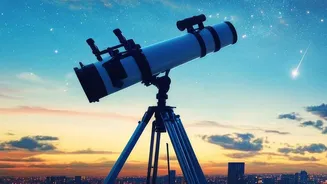
To make the most of your August stargazing, a little preparation goes a long way. The most important factor is to find a location with dark skies, away from the light pollution of major cities. Places like Hanle or Spiti in the north, or the deserts of Rajasthan, offer some of the best views in India. However, even a local park or a rural area outside your town can make a big difference. Before you go, check the weather forecast for clear skies. When you arrive at your spot, give your eyes about 20-30 minutes to fully adjust to the darkness; this will help you see fainter stars and meteors. You won't need a telescope for Venus or the Perseids, but binoculars can enhance your view of the planets and the Moon.