



Focus on Leafy Greens
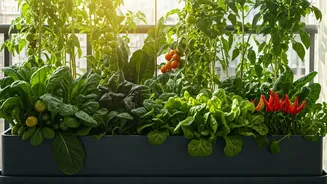
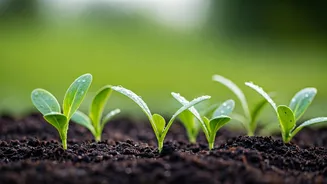
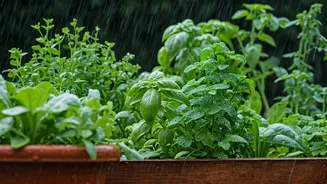
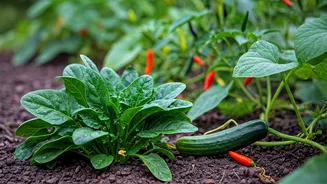
The monsoon is the best time to grow a variety of leafy greens (saag). The cool, humid weather helps them thrive. Spinach (palak), amaranth (chaulai), and Malabar spinach (poi saag) are excellent choices. These plants grow quickly and you can get multiple
harvests from a single sowing. For best results, use wide, shallow containers to give their roots space. Ensure your pots have good drainage to prevent waterlogging, which can lead to root rot. Sow the seeds directly into your prepared pots and keep the soil consistently moist but not drenched. You'll be harvesting fresh, organic greens for your daal and sabzi in just a few weeks.
Plant Quick-Growing Vegetables
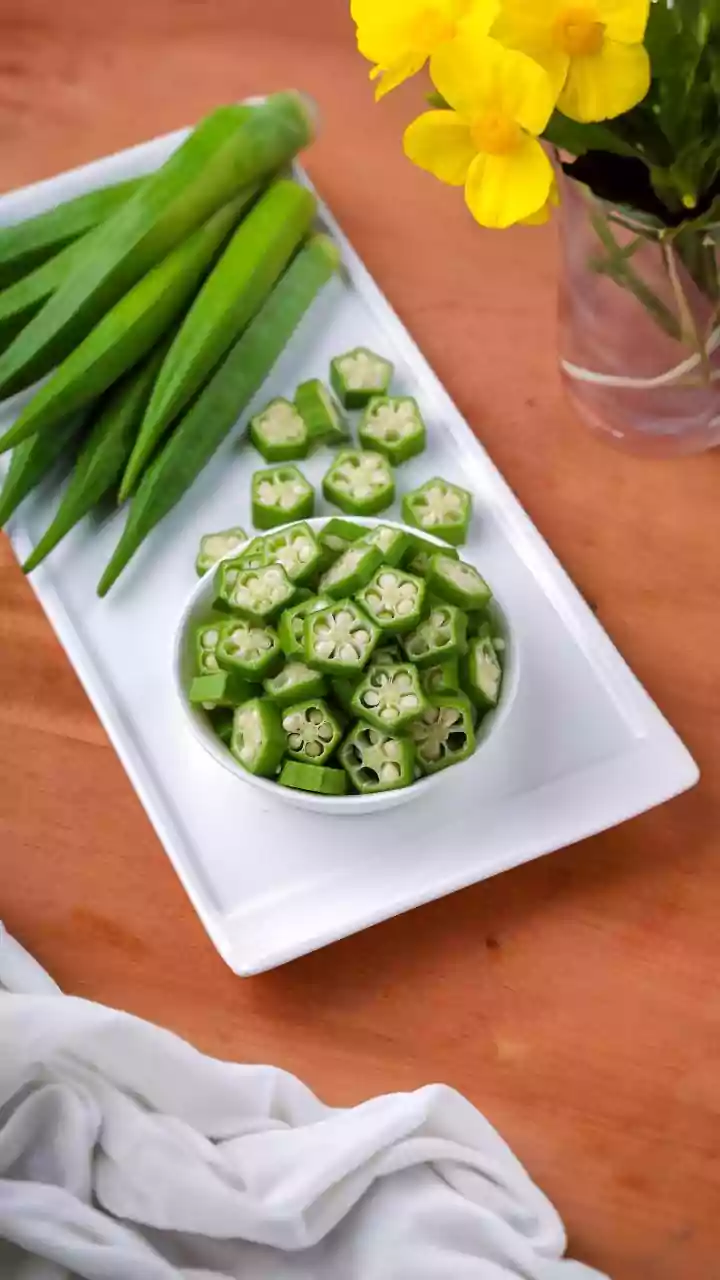
Patience is a virtue, but monsoon gardening offers quick rewards. Vegetables that grow fast and love moisture are ideal. Radish (mooli) is a fantastic option; it can be ready to harvest in as little as 30-40 days. Okra (bhindi) and cluster beans (gawar) also flourish in the monsoon humidity. When planting okra, soak the seeds overnight to speed up germination. Plant these in medium to large-sized grow bags or pots. Providing support like a small stake or trellis for the bean plants will help them grow vertically, saving space and improving air circulation, which is crucial in damp weather.
Cultivate Aromatic Herbs
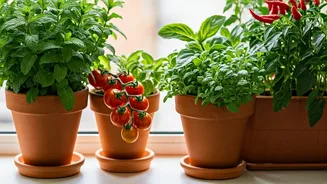
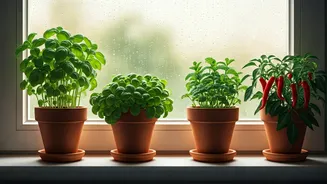
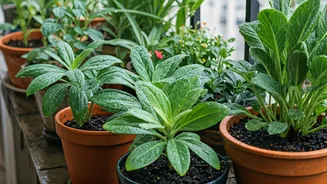
Imagine stepping out to your balcony to snip fresh herbs for your chai or curry. The monsoon is a great time to grow a variety of herbs that enjoy humidity. Mint (pudina) and coriander (dhania) are must-haves. Both can be grown easily in small pots. For coriander, use fresh seeds and crush them lightly before sowing to improve the germination rate. Lemongrass is another wonderful monsoon plant; its citrusy aroma is a delight and it naturally repels some insects. Basil (tulsi), especially the Holy Basil variety, also does exceptionally well and is a staple in many Indian homes. Keep these pots in a spot that receives a few hours of sunlight but is shielded from the heaviest downpours.
Master Your Potting Mix
The foundation of any successful container garden is the soil. During the monsoon, a regular garden soil mix can become heavy and waterlogged. To avoid this, create a light, well-draining potting mixture. A reliable recipe is to combine equal parts of cocopeat, compost (like vermicompost), and coarse sand or perlite. Cocopeat retains moisture without becoming soggy, compost provides essential nutrients, and sand or perlite ensures excellent drainage. This mix prevents the soil from compacting, allowing plant roots to breathe and reducing the risk of fungal diseases that are common in the damp monsoon weather.
Get Smart About Drainage
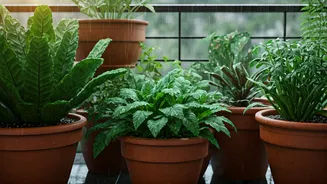
The single biggest challenge in monsoon gardening is excess water. Every pot and container must have drainage holes at the bottom. If you're using traditional terracotta pots, one hole is usually sufficient. For larger containers or plastic pots, it's a good idea to drill a few extra holes. Before filling your pots with soil, you can add a layer of broken pottery shards or small stones at the bottom. This prevents the soil from clogging the drainage holes. Also, consider placing your pots on pot stands or 'feet' to lift them slightly off the ground, allowing water to drain away freely and air to circulate underneath.
Try Fruiting Vegetables
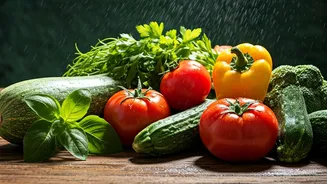
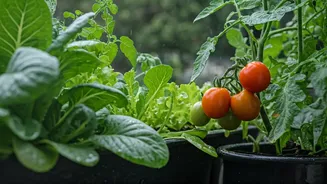
If you have a bit more space and sunlight, don't shy away from fruiting vegetables. Brinjal (baingan), tomatoes, and chillies are all excellent candidates for a monsoon garden. It's best to sow the seeds indoors or in a protected spot first and then transplant the seedlings once they are a few inches tall. These plants will need at least 4-5 hours of sunlight per day, so place them in your sunniest spot. You might need to provide some protection from very heavy, continuous rain, as it can damage the flowers and young fruit. A simple, clear plastic sheet held up by stakes can act as a temporary mini-greenhouse during a downpour.