




The Ultimate Hug in a Bowl
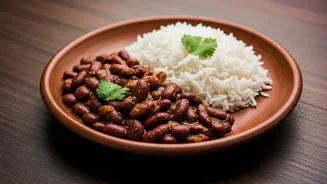
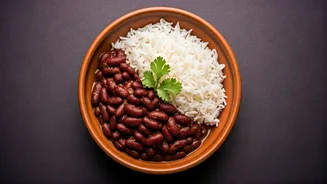
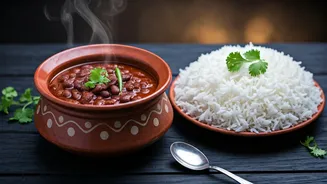
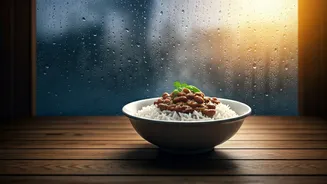
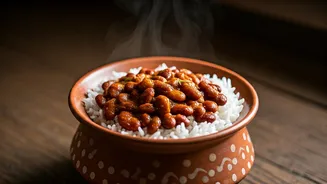
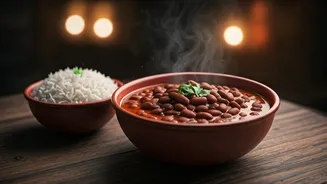
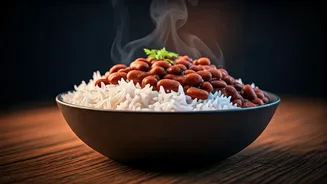
There are foods we eat, and then there are foods we feel. Rajma Chawal belongs firmly in the second category. It’s not just a meal; it’s an experience, a feeling of homecoming. The sight of fluffy white rice acting as a perfect canvas for a flood of rich,
dark, kidney bean curry is enough to make mouths water. The aroma—a complex blend of ginger, garlic, garam masala, and slow-cooked onions and tomatoes—is the scent of a lazy Sunday afternoon, of family gatherings, of comfort. Each spoonful is a perfect balance: the soft, yielding texture of the beans, the thick, flavour-packed gravy, and the simple neutrality of the rice that brings it all together. It’s simple, unpretentious, and deeply nourishing, not just for the body, but for the soul.
Why This Season Hits Different
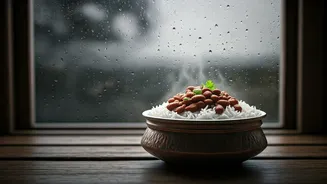
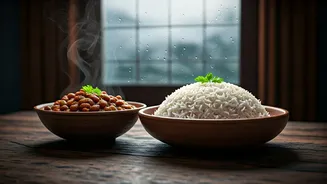
The headline isn't just a clever phrase; it’s rooted in a very real, seasonal phenomenon. Whether it’s the monsoon rain lashing against the windowpanes or the gentle nip of early winter, our bodies instinctively seek warmth and energy. Nutritionists and food scientists point to our primal need for carb-rich, warm foods when the temperature drops. These meals can boost serotonin levels, the 'feel-good' hormone, providing a psychological lift against the gloominess outside. Rajma, a good source of complex carbohydrates and protein, paired with rice, provides sustained energy and a feeling of fullness and contentment. This isn't just you being greedy; it's your body telling you exactly what it needs to feel safe and cozy. It’s why a cold salad feels wrong, but a steaming bowl of Rajma Chawal feels like the most logical choice in the world.
A Dish Steeped in Tradition
Rajma Chawal’s power comes from its deep cultural roots, particularly in North India. For generations, it has been the undisputed king of the Sunday lunch. The slow-cooking process required for the beans made it an ideal dish for a day of rest, simmering away for hours while families spent time together. It became a ritual. The preparation was an act of love, and sharing it was an act of community. This tradition has been passed down, and even today, in bustling cities and fast-paced lives, the idea of a Sunday Rajma Chawal lunch evokes powerful nostalgia. It connects us to our parents and grandparents, to a simpler time, and to the unwavering comfort of home cooking. It’s a taste of childhood that we can recreate in our own kitchens as adults.
The Journey of the Bean
Interestingly, the star of this Punjabi staple isn't native to India. The kidney bean, or rajma, journeyed from Mexico to Europe with Spanish explorers and eventually found its way to the subcontinent through trade routes. While the bean is a foreigner, its preparation is quintessentially Indian. Our culinary genius was to take this humble legume and transform it with a masterful blend of spices and cooking techniques, creating the iconic gravy we know and love today. This history makes the dish a beautiful symbol of India's ability to adopt, adapt, and create something uniquely its own. It’s a quiet testament to the rich, layered history of our food culture.
The Modern Rajma Revival
In an age of global food trends, from quinoa bowls to avocado toast, Rajma Chawal is not just surviving; it’s thriving. Social media is filled with loving tributes, from aesthetically pleasing photos on Instagram to viral reels celebrating that first perfect bite. Chefs in modern Indian restaurants are deconstructing and reimagining it in novel forms like Rajma Tikkis or Rajma Galouti Kebabs. But its true power remains in its classic form. This renewed appreciation isn’t about changing the dish, but about celebrating it for what it has always been: a reliable, delicious, and emotionally resonant meal. It's proof that in a world of endless choices, sometimes the best choice is the one that has always been there.