


The Hidden Dangers of Damp Fur
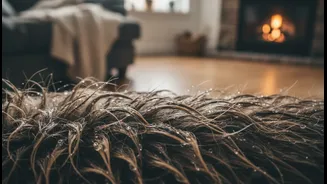
Letting your dog air-dry might seem like the most natural option, but it can create a perfect storm for skin problems. When moisture is trapped against the skin, especially under a thick or double coat, it creates a warm, humid environment where bacteria
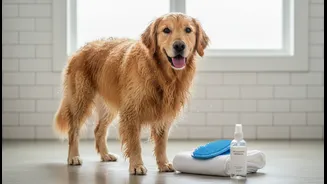
and yeast can thrive. This can lead to a painful and intensely itchy skin condition called acute moist dermatitis, more commonly known as “hot spots”. These inflamed, oozing lesions can appear suddenly and spread quickly. Beyond hot spots, a persistently damp coat can also cause fungal infections, that persistent “wet dog” smell, and general discomfort for your pet. Breeds with dense coats like Golden Retrievers, German Shepherds, and Labradors are particularly at risk.
More Isn’t Always Better: The Bathing Balance
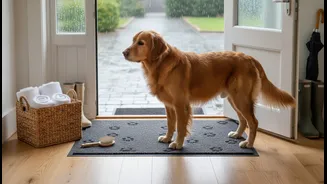
While cleanliness is important, bathing your dog too frequently can do more harm than good. Over-bathing can strip the natural oils from your dog’s coat and skin. These oils act as a protective barrier, and removing them can lead to dryness, irritation, and a dull coat. For most dogs, a bath once a month is sufficient, though this can vary based on their coat type, lifestyle, and any skin conditions. An active dog that loves the mud will need more frequent washing than a couch potato. This is why the drying process is so critical; it’s a non-negotiable step after every single time your dog gets wet, whether from a bath, a swim, or a walk in the rain.
Step 1: The Foundational Towel-Dry
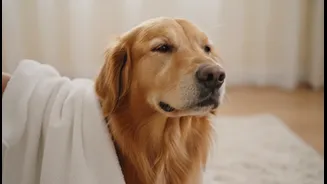
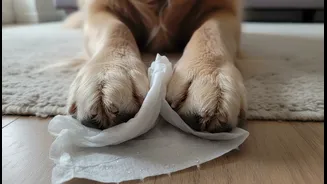
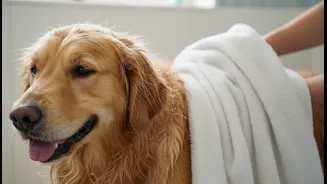
The first step after any water-related activity is a thorough towel-dry. The goal is to remove as much excess water as possible. Invest in a few highly absorbent microfiber towels made specifically for pets, as they absorb more water than standard bath towels. The key is to pat and squeeze the fur, not rub it vigorously. Rubbing can cause tangles and painful mats to form, especially in long-haired breeds. Start at the head and work your way down your dog’s body, gently pressing the towel into the coat. Pay extra attention to areas that hold moisture, like the underbelly, paws, and around the ears.
Step 2: Choosing Your Drying Tool
For many dogs, especially those with short hair, a vigorous towel-dry might be enough. But for dogs with long or double coats, a dryer is essential to get the undercoat completely dry. Never use a human hair dryer on a high heat setting, as it can easily burn your dog's sensitive skin. If using a human dryer, it must be on the lowest heat or cool setting. A better option is a high-velocity dryer designed for dogs. These tools work by blasting water off the coat with powerful airflow, rather than heat. They are a worthy investment for owners of thick-coated breeds, as they dramatically cut down drying time and help remove loose undercoat.
The Art of the Perfect Blow-Dry
If you use a dryer, technique matters. Keep the nozzle moving and never concentrate it on one spot for too long. Maintain a safe distance from the skin and use the lowest effective temperature setting. As you dry, brush the coat in the direction the hair grows. This helps to separate the hairs, allowing air to circulate down to the skin and preventing mats from forming as the coat dries. Make the experience positive with treats and praise, especially for puppies or nervous dogs. Properly drying your dog's coat is a crucial act of care that safeguards their health, ensuring they are not just clean, but truly comfortable and protected.