





Your Pre-Monsoon Vehicle Check
Flexibility on the road begins before you even turn the key. A well-prepared vehicle is your first line of defence. Before the season kicks into high gear, focus on the essentials. Your tyres are critical; ensure they have a tread depth of at least 3mm
to effectively channel water and prevent skidding on wet roads. Worn-out tyres are a primary cause of hydroplaning, where a layer of water builds up between the rubber and the road, leading to a complete loss of control. Next, inspect your windscreen wipers. The intense summer heat can make the rubber blades brittle and ineffective. Replace them if they leave streaks or fail to clear the glass smoothly. Finally, get your brakes checked. Wet conditions significantly increase your braking distance, and you need to have full confidence in their performance. A quick check of all your lights—headlights, taillights, and indicators—ensures you can see and be seen.
Adapting to Shifting Visibility
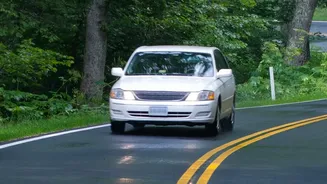
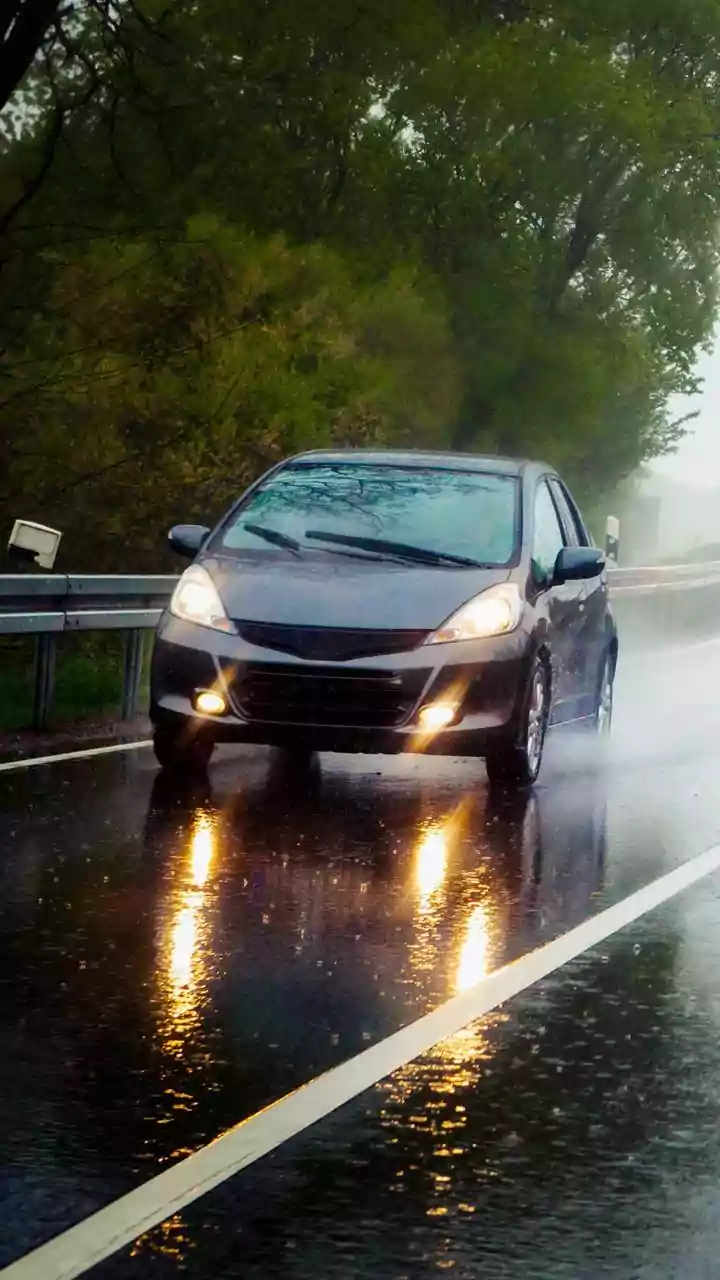
A sudden downpour can reduce visibility to almost zero in a matter of seconds. Your first and most important adjustment is to slow down significantly. Reducing your speed gives you more time to react to hidden potholes or other hazards concealed by the rain. Turn on your low-beam headlights, even during the day. This is less about helping you see and more about making your vehicle visible to others. Avoid using high beams, as they create glare by reflecting off the raindrops, which can blind oncoming drivers. Another common issue is the windshield fogging up due to humidity. Use your car's air conditioner in combination with the defogger setting; the AC acts as a dehumidifier, effectively clearing condensation from the glass.
The Art of Reading the Road
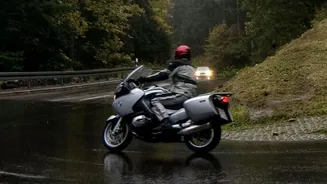
Wet roads demand a new level of awareness. Painted lines, such as those on zebra crossings, become extremely slippery when wet, so avoid braking hard on them. Double the following distance between you and the car ahead to at least four seconds; this compensates for the longer braking distances on slick surfaces. When roads are slick, smooth and gentle inputs are key. Avoid sudden acceleration, sharp turns, or hard braking, as any abrupt manoeuvre can cause your tyres to lose traction. It's also wise to disable cruise control in the rain. You need to be in complete manual control of your speed to react instantly if you feel the car beginning to hydroplane.
Navigating Waterlogged Stretches
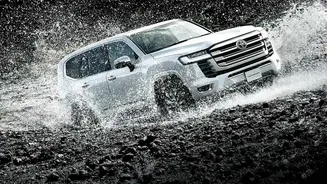
Encountering a flooded road is one of the most common and dangerous monsoon challenges. The golden rule is: when in doubt, don't risk it. If you can't gauge the depth of the water or see other cars struggling, find an alternative route. If you must proceed, assess the depth first; water should not be higher than the bottom of your car's bumper. Drive in a low gear (first or second) while keeping the engine revs high. This creates exhaust pressure that helps prevent water from entering the tailpipe. Maintain a slow, steady speed of around 5-10 km/h to push water away from your engine's air intake. Never stop in the middle of a waterlogged patch if you can help it. If your engine stalls, do not attempt to restart it. This can cause water to be sucked into the engine, resulting in catastrophic damage known as hydrostatic lock.
How to Handle a Hydroplane
Hydroplaning can be terrifying, but knowing how to react can help you regain control. The instant you feel the steering become light or unresponsive, your first instinct should be to remain calm. Do not slam on the brakes or make any sudden steering corrections. Instead, gently ease your foot off the accelerator. Keep the steering wheel straight or make very slight adjustments in the direction you want to go. As the vehicle slows down, the tyres will regain contact with the road, and you'll feel traction return. Once you have control, you can then brake gently if needed. The entire event often lasts only a few seconds, and fighting your instincts by avoiding sudden movements is the key to getting through it safely.
Your In-Car Emergency Kit
Being flexible also means being prepared for the worst-case scenario. A simple emergency kit can be invaluable if you get stranded. Your kit should include a powerful torch with extra batteries, a first-aid kit, a tow rope, and reflective warning triangles. It’s also crucial to have your phone fully charged and perhaps carry a power bank. Keeping your fuel tank at least half-full is another smart practice during the monsoon, as you may face long traffic jams or need to take lengthy detours to avoid flooded areas. If you do need to pull over, especially on a highway, find a safe spot and activate your hazard lights to ensure other drivers can see your stationary vehicle.