
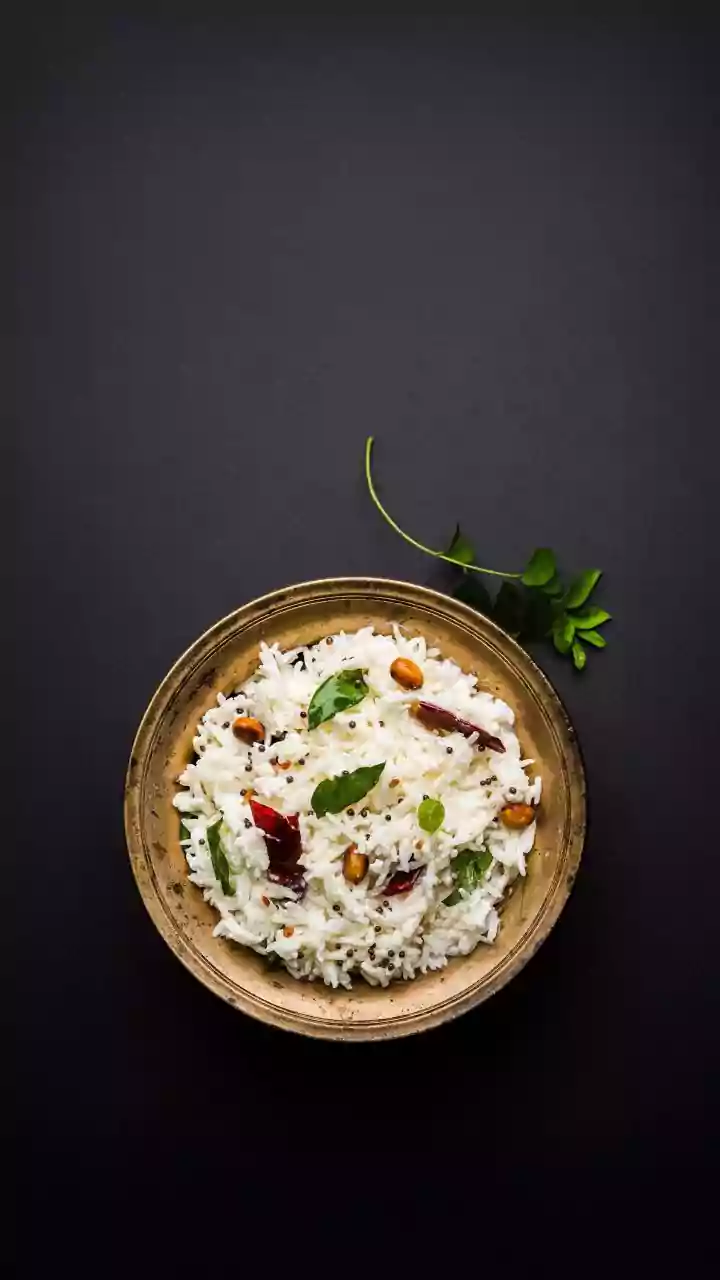




Why Humidity Is a Fermentation Challenge
Fermented foods are a cornerstone of Indian cuisine, prized for their complex flavours and digestive benefits. However, the very process that creates them—controlled microbial growth—can become unpredictable during humid weather. High moisture in the air
creates an ideal environment for bacteria, moulds, and yeasts to multiply rapidly. This accelerates spoilage and increases the risk of contamination from undesirable microbes, which can lead to foodborne illnesses. While some fermentation processes require humidity, excessive levels can disrupt the delicate balance, turning a healthy food into a potential hazard. This is especially true for homemade preparations that lack the preservatives and industrial controls of commercial products.
Warning Signs of a Bad Batch
Trusting your senses is the first line of defence against spoiled ferments. A healthy ferment, like dosa batter or pickles, should have a pleasantly sour or tangy aroma. If it smells foul, rotten, or putrid, it's a clear sign that something is wrong. Visually, look for fuzzy mould in shades of green, black, blue, or pink. While a white film known as Kahm yeast can sometimes form and is often harmless, any colourful or hairy growth means the entire batch should be discarded immediately. Other red flags include a slimy texture that wasn't there before or an unnatural change in colour. If the taste is unpleasantly sharp or just “off,” it's best to err on the side of caution and throw it out.
Safe Practices for Dosa and Idli Batter
Dosa and idli batter is particularly susceptible to over-fermentation during the monsoon. The increased humidity can cause it to turn sour too quickly or develop an off-smell. To combat this, start with pristine hygiene. Ensure your grinder, utensils, and hands are thoroughly clean. Some home cooks suggest adding a spoonful of thick curd or a few fenugreek (methi) seeds to the batter to guide the fermentation process. Once the batter has risen to the desired level, which will happen much faster in humid weather, refrigerate it immediately to slow down the fermentation. Do not leave it on the counter for extended periods, as this invites spoilage.
Mastering Homemade Pickles in the Monsoon
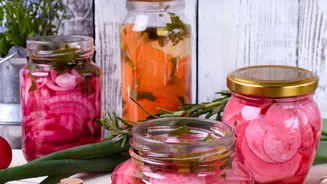
Homemade pickles (achar) are a treasured tradition, but they are vulnerable to fungal growth in damp conditions. The key to preventing spoilage is creating an environment hostile to microbes. Ensure all your ingredients—fruits, vegetables, and spices—are completely dry. Any moisture can dilute the preservative effects of salt and oil. Use clean, dry jars and utensils every time you handle the pickle. A common mistake is using a wet spoon, which introduces moisture and contaminants. For oil-based pickles, make sure the contents are always fully submerged in the oil layer, as this acts as a barrier against air and mould. Salt is also a crucial preservative, not just a flavouring agent, so follow recipes carefully.
General Tips for Humid Weather Fermentation
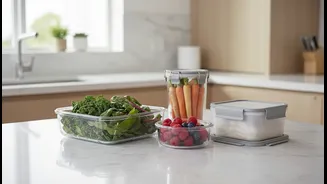
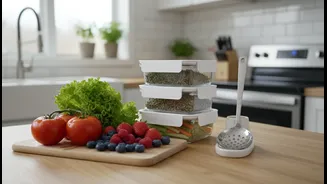
Regardless of what you're fermenting, a few universal rules apply during humid seasons. First, reduce your fermentation time. High heat and humidity speed up the process, so what takes 12 hours in winter might be ready in six. Second, consider finding a cooler, darker spot for fermentation, away from direct sunlight and temperature fluctuations. Third, always use food-grade containers made of glass or stainless steel; avoid metals that can react with the acids in the ferment. Finally, start with the freshest ingredients possible. Old or bruised produce is more likely to carry spoilage organisms from the start.