

Why Power Up Your Batter?
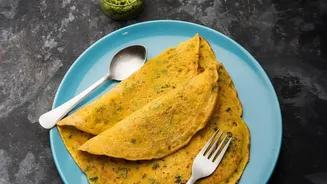
Traditional chilla and dosa batters, often made from rice, lentils, or gram flour, are already a source of comfort and energy. A plain dosa may contain around 3-5 grams of protein, while a moong dal chilla can offer 12-14 grams. While respectable, there's
significant room for improvement, especially for those on vegetarian diets or anyone looking to increase their protein intake. Adding protein to your breakfast helps slow digestion, which can lead to more stable blood sugar levels and keep you feeling full and energetic for longer. It's a simple hack to make your first meal of the day work harder for your health, supporting everything from muscle maintenance to appetite control. By incorporating seed powders, you’re not just adding protein; you're layering in a host of other valuable nutrients with minimal effort.
The Best Seeds to Supercharge Your Meals
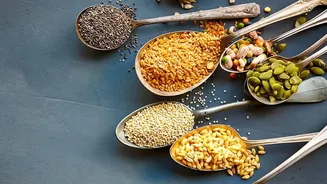
Not all seeds are created equal, but many offer a fantastic nutritional punch. Mixing a few different types is the best approach to get a wide range of benefits. Here are some of the top contenders for your homemade powder: Hemp Seeds: A nutritional powerhouse, hemp seeds are a complete protein, meaning they contain all nine essential amino acids. They deliver about 9-10 grams of protein per 28-gram serving and have a mild, nutty flavour. Pumpkin Seeds: Among the most protein-rich seeds, pumpkin seeds provide around 8-9 grams of protein per 30-gram serving. They are also an excellent source of magnesium and zinc. Sunflower Seeds: Offering about 5-7 grams of protein per ounce, sunflower seeds are also rich in Vitamin E and healthy fats. Their toasty flavour can be a welcome addition to savoury batters. Flax Seeds: Known for their high content of omega-3 fatty acids and fibre, flax seeds also contribute about 5 grams of protein per 28-gram serving. It is crucial to grind them, as whole seeds often pass through the body undigested. * Chia Seeds: These tiny seeds pack around 5 grams of protein per serving and are incredibly rich in fibre and calcium. They absorb liquid, which can help create a softer texture in your dosas and chillas.
How to Prepare Your Seed Powder
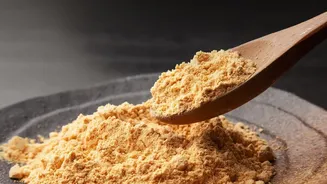
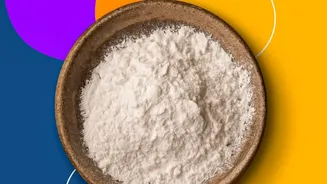
Making your own seed powder is incredibly simple. You’ll need a coffee grinder, spice grinder, or a high-speed blender. For seeds like pumpkin and sunflower, you can lightly roast them on a dry pan for a few minutes before grinding. This enhances their nutty flavour but isn't strictly necessary. Be careful not to over-roast, as excessive heat can damage some nutrients. Once cooled, grind each type of seed individually, as they have different textures and grinding times. Harder seeds like pumpkin may take 10-15 seconds, while softer seeds need less time. Grind in short bursts until you have a fine powder. Be careful not to over-process, or you’ll end up with seed butter. After grinding, you can mix the different seed powders and store them in an airtight glass container in the refrigerator or freezer to maintain freshness, especially for seeds with high-fat content like flax.
Getting the Ratio Right
The key to incorporating seed powders is to enhance, not overpower, your batter. A good starting point is to add one to two tablespoons of seed powder for every cup of dosa or chilla batter. For a flax-seed-specific dosa, a ratio of 2-3 tablespoons of flax seeds for every cup of traditional dosa ingredients is recommended to keep the batter from becoming too dense. Stir the powder in thoroughly and observe the consistency. Seeds like chia and flax absorb a lot of liquid, so you may need to add a little extra water to get the batter back to its ideal, pourable state. It's best to start with a smaller amount and experiment to see what you prefer in terms of taste and texture. The goal is a seamless nutritional upgrade, not a gritty or dense final product. Over time, you'll find the perfect blend and amount that works for your family's palate.
More Than Just Protein
While the protein boost is a major advantage, these seeds bring much more to the table. By adding a mixed seed powder, you are also enriching your breakfast with dietary fibre, which is essential for digestive health. The healthy unsaturated fats and omega-3s found in seeds like flax and chia contribute to heart health. Furthermore, seeds are packed with essential minerals that can be harder to obtain in some diets, including magnesium, zinc, iron, and calcium. This simple addition turns a classic Indian breakfast into a multi-nutrient powerhouse, supporting overall well-being with every bite.