






Redefining the Workout
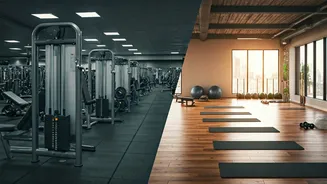
For decades, the idea of ‘getting fit’ was dominated by images of bodybuilders lifting heavy weights in a mirror-walled gym or runners pounding treadmills. The goal was often aesthetic—bigger biceps, a flatter stomach. But a significant shift is underway,
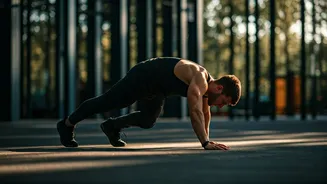
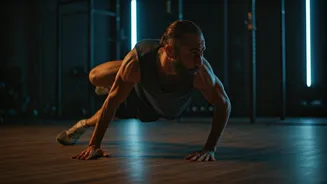
especially among younger Indians. The focus is moving from isolated muscle-building to functional mobility, a philosophy centred on improving the body’s ability to perform real-world movements efficiently and without pain. Think about it: our daily lives don't involve bicep curls. They involve squatting to pick something up, twisting to grab a file from a shelf, or carrying heavy grocery bags. Functional fitness trains these very patterns. It incorporates exercises like squats, lunges, push-ups, and animal flows—movements that engage multiple muscle groups simultaneously, enhancing strength, balance, coordination, and flexibility. It’s a move from training for appearance to training for life.
The Great Outdoors Becomes the New Gym
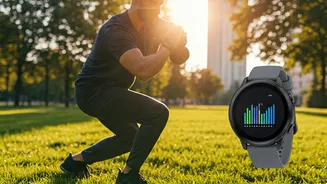
This new fitness philosophy has found its perfect partner in the great outdoors. The pandemic accelerated an exodus from enclosed, air-conditioned gyms, but the trend has stuck for good reason. Working out in a park or on a beach offers more than just fresh air. It provides a dynamic, ever-changing environment. A park bench becomes a box for jumps, a tree branch a pull-up bar, and uneven ground a challenge for stability. This shift is visible across Indian cities, where callisthenics groups and outdoor yoga circles are now common sights in public spaces. For a generation prioritising mental wellness alongside physical health, the benefits are clear. Exposure to sunlight provides Vitamin D, being in nature has been proven to reduce stress, and the experience feels less like a chore and more like play. It’s also significantly more accessible and affordable than a high-end gym membership, democratising fitness for a wider audience.
Your Watch Is the New Trainer
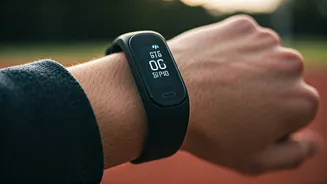
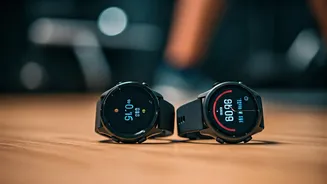
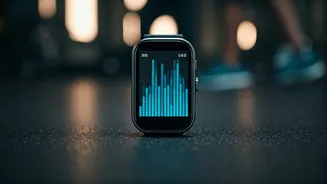
The final piece of this puzzle is wrapped around our wrists. The surge in functional, outdoor workouts has been perfectly timed with the evolution of wearable technology. Early fitness trackers were simple pedometers. Today’s smartwatches and fitness bands from brands like Apple, Garmin, and Samsung are sophisticated health monitors. They do more than just count steps or track heart rate during a run. Modern wearables are increasingly equipped to analyse the very metrics that matter for functional mobility. They track movement quality, stability, walking evenness, and sleep patterns that determine recovery. New workout modes on these devices cater specifically to activities like HIIT, yoga, and functional strength training. Apps like Strava and Nike Training Club allow users to track, share, and get guidance on these outdoor workouts, creating a digital ecosystem that supports this physical trend. This data-driven feedback allows individuals to see tangible progress in their mobility and overall wellness, making the process more engaging and motivating.
Why This Trend Matters
The rise of functional mobility tracking is more than just a fad; it’s a reflection of a deeper cultural shift. It represents a move towards a more holistic, sustainable, and intuitive approach to health. For Gen Z and young millennials, fitness is not about punishing the body to achieve an unrealistic aesthetic ideal. It’s about longevity, capability, and feeling good in one’s own skin. It's about being able to play with your future kids without back pain, carry your own luggage on a trip, and move through life with energy and ease. This trend fuses the best of three worlds: the timeless wisdom of moving our bodies naturally, the mental and physical benefits of being outdoors, and the powerful feedback loop of modern technology. It empowers individuals to take ownership of their health in a way that is personal, adaptable, and deeply integrated into their lifestyle.