


Prioritise Drainage Above All
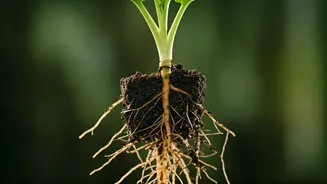
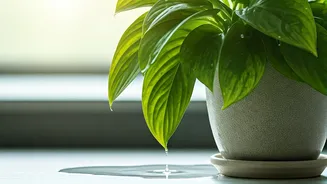
The single biggest threat to potted plants during the rainy season is waterlogging. When soil becomes oversaturated, roots can't get oxygen, leading to root rot. Before the heavy rains begin, ensure every pot has clear, unobstructed drainage holes. If
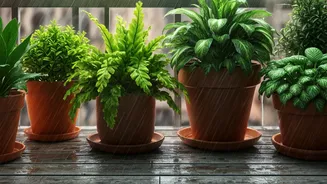
your pots are sitting flat on the ground, water can't escape easily. A simple but highly effective trick is to elevate them. Place pots on bricks, small tiles, or dedicated plant stands to lift them a few centimetres off the ground, allowing excess water to drain away freely. During the season, periodically check that these holes haven't become clogged with soil or debris.
Relocate Vulnerable Plants
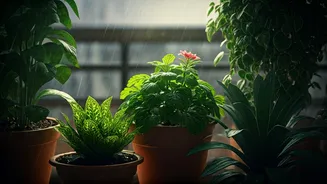
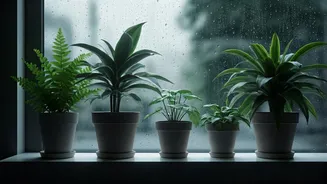
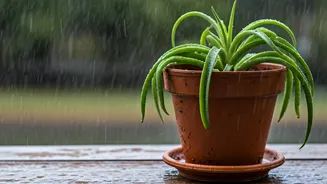
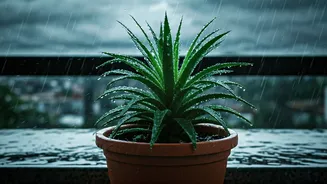
Not all plants are created equal when it comes to handling rain. The easiest way to protect sensitive plants is to move them to a more sheltered location. A spot under an eave, in a covered porch, or just inside a window can make all the difference. This is especially important for succulents like aloe vera, which dislike excess water, and plants with large, delicate leaves that can be battered by strong winds and rain. If you have heavy pots that are difficult to move, consider temporarily covering the soil surface with a plastic sheet during a severe downpour, but remember to remove it as soon as the rain stops to allow the soil to breathe.
Rethink Your Watering Schedule
It might seem obvious, but it's a common mistake: continuing your regular watering routine during the monsoon. With high humidity and frequent showers, your plants will need significantly less water from you. Overwatering is a major risk. Always check the soil before reaching for the watering can. A good rule of thumb is to stick your finger about an inch into the soil; if it feels damp, hold off on watering. Plants that have been drenched by rain do not need more water. Let them dry out a bit to prevent suffocation of the roots.
Improve Air Circulation
High humidity and damp conditions are a perfect breeding ground for fungal diseases. To combat this, ensure your plants have good air circulation. Avoid crowding pots too tightly together. Proper spacing allows air to flow between the plants, helping foliage dry faster after a rain shower and reducing the risk of diseases like powdery mildew. You can also gently loosen the top layer of compacted soil with a small fork to improve aeration around the roots, but be careful not to dig too deep and damage them.
Watch for Pests and Diseases
The monsoon is prime time for pests like aphids and mealybugs, as well as fungal infections. Regularly inspect your plants, paying close attention to the undersides of leaves and stems. Common signs of trouble include yellowing leaves, white powdery coatings (powdery mildew), or dark spots (leaf spot disease). If you spot any issues, act quickly. Remove any infected leaves or stems to prevent the problem from spreading. For a natural preventive measure, you can spray a diluted neem oil solution on your plants every couple of weeks, which acts as a natural fungicide and pest repellent.
Prune and Maintain
Heavy rain and wind can cause physical damage to your plants. Regularly inspect them for broken stems or tattered leaves. Pruning away this damaged growth not only keeps your plant looking tidy but also prevents the damaged parts from rotting, which could invite disease. This also encourages the plant to direct its energy towards producing new, healthy shoots. Don't be tempted to fertilise heavily during this time, as excess nutrients can be easily washed away by the rain. A light, liquid organic feed is a better option if you feel your plants need a boost.