





An Unbreakable Morning Ritual
For hundreds of millions of Indians, the day doesn't truly begin until the first sip of hot, sweet, milky masala chai. It’s the gentle jolt that clears the sleep from our eyes, the warm comfort that prepares us for the day ahead. This isn't the delicate,
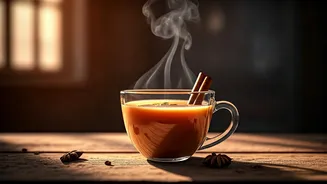
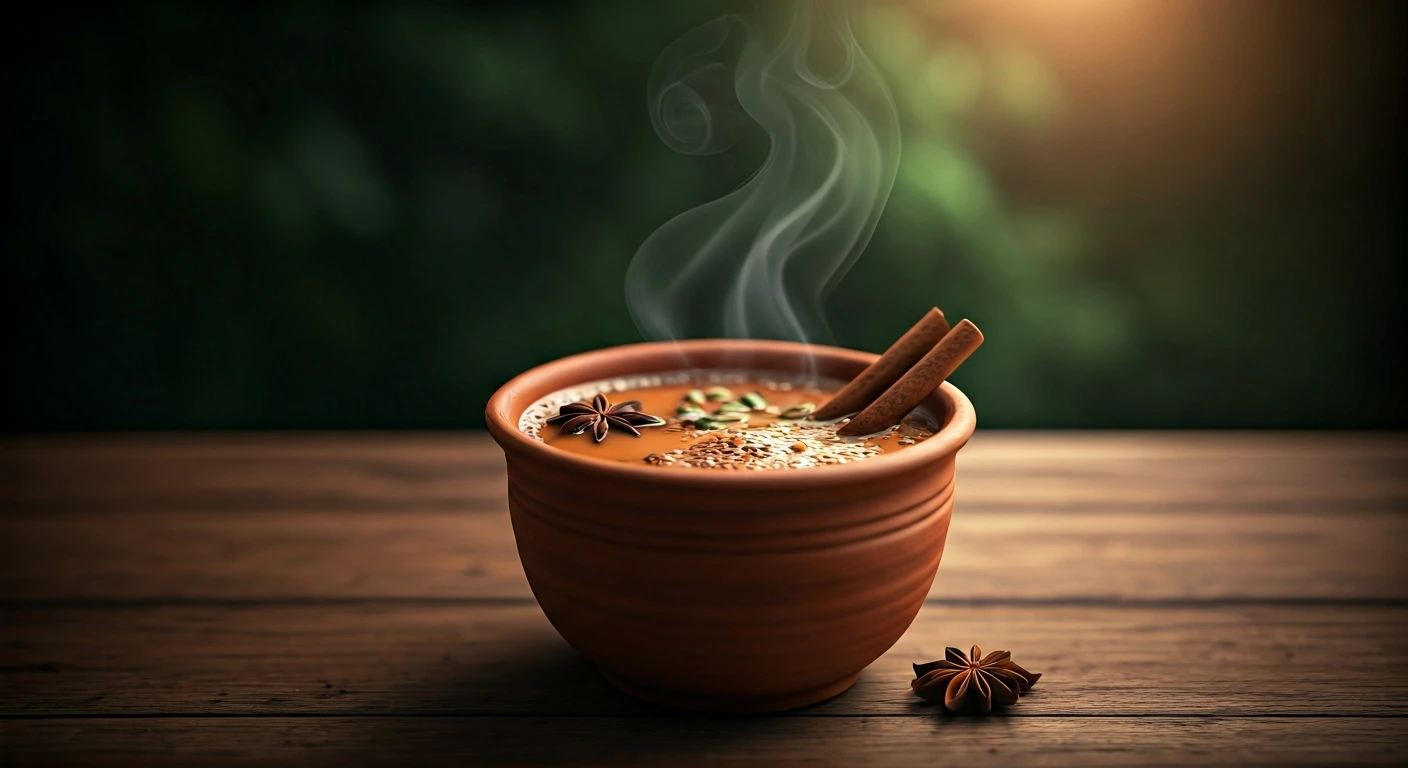
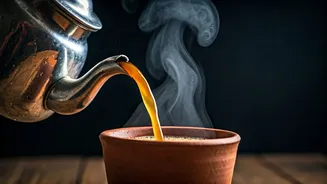
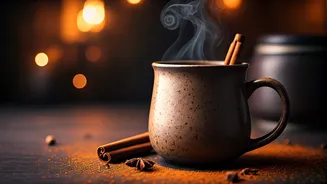
leaf-in-a-pot affair of other cultures. Indian chai is a robust, boiled concoction, a democratic beverage where strong black tea, milk, and sugar are simmered together, often with a unique blend of spices, until it reaches a perfect, soul-soothing state. It's the background score to our daily lives, served in tiny glass cups ('cutting chai'), sturdy ceramic mugs, or traditional clay 'kulhads'. It fuels conversations in offices, accompanies gossip in neighbourhood gatherings, and provides a moment of respite for everyone from high-powered executives to hardworking labourers.
A Spicy Twist on a Colonial Import
While tea itself has ancient roots in India, the culture of drinking it as a daily beverage was heavily promoted by the British in the early 20th century. The British Tea Association ran aggressive campaigns to get Indians to consume the black tea grown in Assam and Darjeeling. However, the Indian palate innovated. Pure, bitter black tea was often too expensive or not to local tastes. Vendors began adding milk and sugar to make it more palatable and affordable. The real masterstroke was the addition of 'masala'—a blend of spices that transformed the drink entirely. Drawing from Ayurvedic traditions, spices like cardamom, ginger, cloves, cinnamon, and black pepper were added not just for flavour but for their perceived wellness benefits. This act of culinary rebellion created something uniquely Indian: masala chai.
The Anatomy of a Perfect Cup
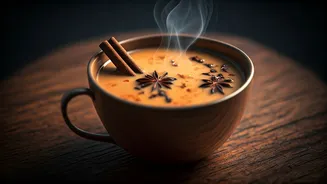
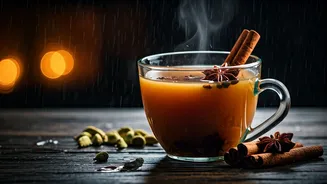
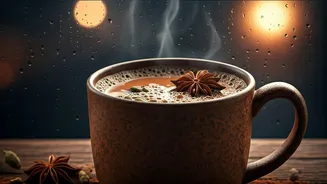
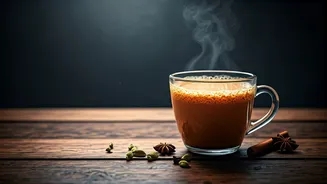
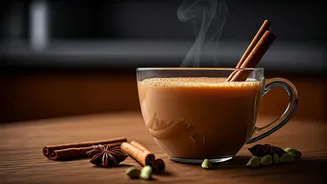
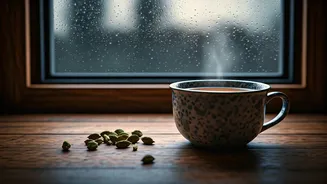
What makes a perfect masala chai? The beauty lies in its infinite customisability. There is no single, universally agreed-upon recipe; every household and every chai-wallah has their own secret formula. However, the core components are constant. It starts with a base of strong black tea, typically CTC (Crush, Tear, Curl) grade, which gives the brew its characteristic strength and colour. Full-fat milk provides creaminess, balancing the bitterness of the tea tannins. Sugar is almost always non-negotiable, providing the sweetness that makes it an energy-booster. Then comes the soul of the drink: the masala. Ginger ('adrak') and cardamom ('elaichi') are the most common protagonists, offering warmth and fragrance. Depending on the region or family preference, you might also find cloves ('laung'), cinnamon ('dalchini'), star anise, or even a pinch of black pepper ('kali mirch') for an extra kick.
The Chai-Wallah: A Social Institution
No discussion of chai is complete without paying homage to the chai-wallah, the ubiquitous street-side tea vendor. These entrepreneurs are the lifeblood of Indian cities and towns. Their stalls are more than just places to buy a drink; they are micro-community centres. They are neutral grounds where people from all walks of life—students, office workers, auto-rickshaw drivers, and shopkeepers—gather for a quick break and a dose of local news. The rhythmic sound of the vendor crushing ginger, the clinking of glasses, and the constant bubbling of the chai pot is a symphony of Indian street life. The chai-wallah doesn't just sell tea; they offer a space for connection, a brief pause in a hectic day, all for just a few rupees.
From Roadside to Boardroom
Masala chai's appeal is so profound that it has gracefully adapted to the modern era. While the humble chai-wallah remains an icon, the beverage has found new life in trendy, upscale cafes that experiment with artisanal blends, alternative milks, and gourmet pairings. It’s now packaged into convenient tea bags and instant premixes, catering to busy urban lifestyles. 'Chai' has even become a global flavour trend, though often misinterpreted abroad as a 'chai tea latte'. But back home, its essence remains unchanged. It is still the ultimate symbol of hospitality, the first thing offered to any guest. It is the drink that fuels debates, seals business deals, and mends broken hearts. It is a simple pleasure that connects a billion people.