




Quality Over Quantity of Weight
In the world of fitness, it's easy to get caught up in chasing bigger numbers. The prevailing gym wisdom often suggests that lifting the heaviest weight possible is the fastest path to building strength and muscle. However, a glance at Sonam Bajwa’s training
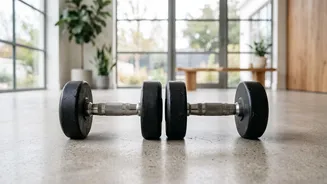
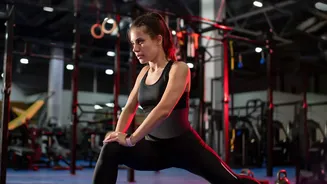
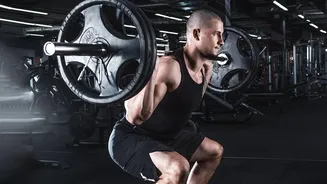
videos, where she can be seen performing deep squats and lunges with impeccable form, tells a different story. The focus isn't just on moving the weight; it's on how the weight is moved. This principle of prioritising control and technique over sheer load is a cornerstone of smart, sustainable training. It’s a shift from 'ego lifting'—using momentum to move a weight you can't truly control—to intentional training, where every single repetition is deliberate and purposeful. This approach may mean using lighter weights, but as experts note, it can make a lighter weight feel significantly heavier and more effective.
The Science of 'Time Under Tension'
The key concept behind controlled movement is 'Time Under Tension' (TUT). TUT refers to the total duration a muscle is actively working and held under strain during a set. When you lift and lower a weight slowly, you increase this time, forcing your muscles to work harder. For example, instead of a quick one-second squat, imagine taking three to four seconds to lower yourself down (the eccentric phase), pausing briefly at the bottom, and then pushing back up. This extended duration creates more metabolic stress and microscopic tears in the muscle fibres, which are crucial stimuli for muscle growth, or hypertrophy. Research has shown that focusing on TUT, especially by slowing down the lowering part of an exercise, can lead to significant gains in muscle strength and size, even with lighter loads. This proves it's not just what you lift, but how you lift it that drives results.
Building the Mind-Muscle Connection
Slowing down your reps does more than just increase tension; it forces you to focus. This develops what is known as the mind-muscle connection—the conscious and deliberate act of focusing on the specific muscle you are trying to work. Instead of just going through the motions of a lunge, you actively think about engaging your glutes and quads through the entire movement. Studies have demonstrated that this internal focus can increase muscle fibre activation, leading to more effective workouts. A strong mind-muscle connection ensures that the target muscle is doing the majority of the work, rather than letting other muscle groups compensate. This is particularly valuable for isolation exercises and for activating muscles that are often hard to 'feel', like the glutes.
The Ultimate Injury Prevention Tool
Perhaps the most critical benefit of controlled movement is injury prevention. Using momentum or attempting to lift weights that are too heavy with poor form places enormous stress on your joints, ligaments, and tendons. Jerky, uncontrolled movements can lead to everything from minor strains to serious injuries in the knees, hips, and lower back. By slowing down, you give yourself the opportunity to maintain proper alignment and ensure that the load is being handled by the muscles, not by vulnerable connective tissues. Controlled eccentrics, in particular, have been shown to strengthen tendons and improve their resilience, making them a cornerstone of both rehabilitation and 'pre-habilitation' programmes designed to prevent injuries before they happen.
Applying Control to Your Workout
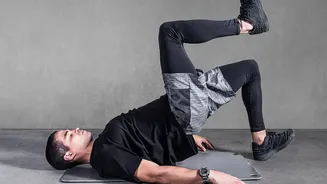
Incorporating this principle into your own leg day is straightforward. The next time you perform a squat, lunge, or leg press, try using a specific tempo. A good starting point is a '3-1-1' tempo: take three seconds to lower the weight, pause for one second at the bottom of the movement, and take one second to lift the weight back up. You will likely need to reduce the weight you normally use, but you will feel the targeted muscles working in a completely new way. Focus on smooth, deliberate motions, eliminating any bouncing or jerking. As experts advise, it's essential for beginners to first master movements with their own bodyweight before adding external loads. Listen to your body and prioritise perfect form on every single repetition.