




The Old Dilemma and the New Solution
For years, monsoon footwear meant a compromise. You either wore heavy, unstylish gumboots that offered full protection but little else, or you risked ruining your favourite sneakers and slipping on wet surfaces. The choice was often between staying dry
and looking good. However, a significant shift is underway, driven by material innovation and a growing demand for versatile, all-weather fashion. The 2026 monsoon season is defined by footwear that is lightweight, waterproof, stylish, and comfortable, finally ending the age-old dilemma. Brands are focusing on shoes that transition seamlessly from a sunny morning to a rainy afternoon, perfect for the unpredictable nature of monsoon travel.
EVA: The Lightweight Champion
At the heart of this footwear revolution is EVA (ethylene-vinyl acetate). This foam-like material is a game-changer for several reasons: it's incredibly lightweight, completely waterproof, and easy to clean. Unlike traditional rubber, which can be heavy, EVA provides cushioning and shock absorption, making it comfortable for long walks on city streets or uneven paths. This material is now the foundation for a new generation of clogs, sliders, and even sandals that are both functional and fashionable. Because EVA is a non-porous material, it doesn't absorb water, meaning your shoes will be dry again minutes after a downpour.
Clogs and Sliders Get a Promotion
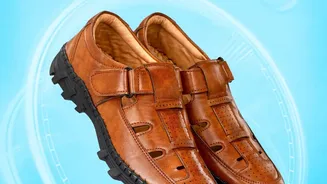
Once relegated to gardening or lounging at home, clogs and sliders have become a monsoon travel essential. Modern designs are a far cry from their basic predecessors. Today's clogs feature rugged, anti-slip outsoles with deeper grooves for enhanced traction on slippery surfaces. Many come with adjustable straps for a more secure fit, making them a reliable choice for navigating waterlogged streets. Their open or ventilated design ensures breathability, preventing the stuffiness and odour that can plague closed shoes in humid weather. They are perfect for travellers who need something easy to slip on and off that can handle sudden showers without any fuss.
The Rise of the Waterproof Sneaker
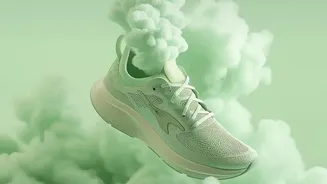
For those who prefer the support and style of a closed shoe, the waterproof sneaker is the answer. These are not your average canvas trainers. Instead, they are engineered with water-resistant or fully waterproof uppers, often made from treated synthetics, special membranes, or coated leather that cause water to bead up and roll off. This allows them to maintain a classic sneaker look while offering serious protection from the elements. Water-resistant sneakers are ideal for days with light to moderate rain, providing comfort for long hours of walking. Many also feature breathable liners to keep feet from getting sweaty, combining all-day comfort with practical weather resistance.
Boots, but Make Them Modern
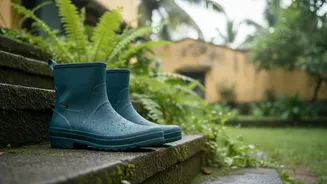
While the traditional knee-high gumboot still has its place in heavy downpours, the modern rain boot is more streamlined and style-conscious. Ankle-length boots have become particularly popular, offering ample protection from puddles without the bulk of taller styles. These boots are often made from flexible rubber or PVC and come in a variety of colours and finishes, from matte to high gloss. They pair just as easily with jeans as they do with dresses, making them a versatile addition to a travel wardrobe. Some brands even offer waterproof loafers with chunky soles, providing a formal-leaning option that can handle wet commutes to an office or a nice dinner.
The Unsung Hero: Anti-Slip Soles
Regardless of the style you choose, the most critical feature for monsoon footwear is an anti-slip sole. Slippery pavements are a major hazard during the rainy season, making good grip non-negotiable. Look for shoes with outsoles made of high-quality rubber, which offers excellent traction. The pattern on the sole is just as important; deep grooves and textured treads are designed to channel water away and increase the surface area in contact with the ground, preventing slips and falls. Before buying any pair of monsoon shoes, flip them over and inspect the sole—it's your first line of defence against wet, slick surfaces.